1 in 4 New Cars Sold in the UK Is Electric. Is Your Business Ready?
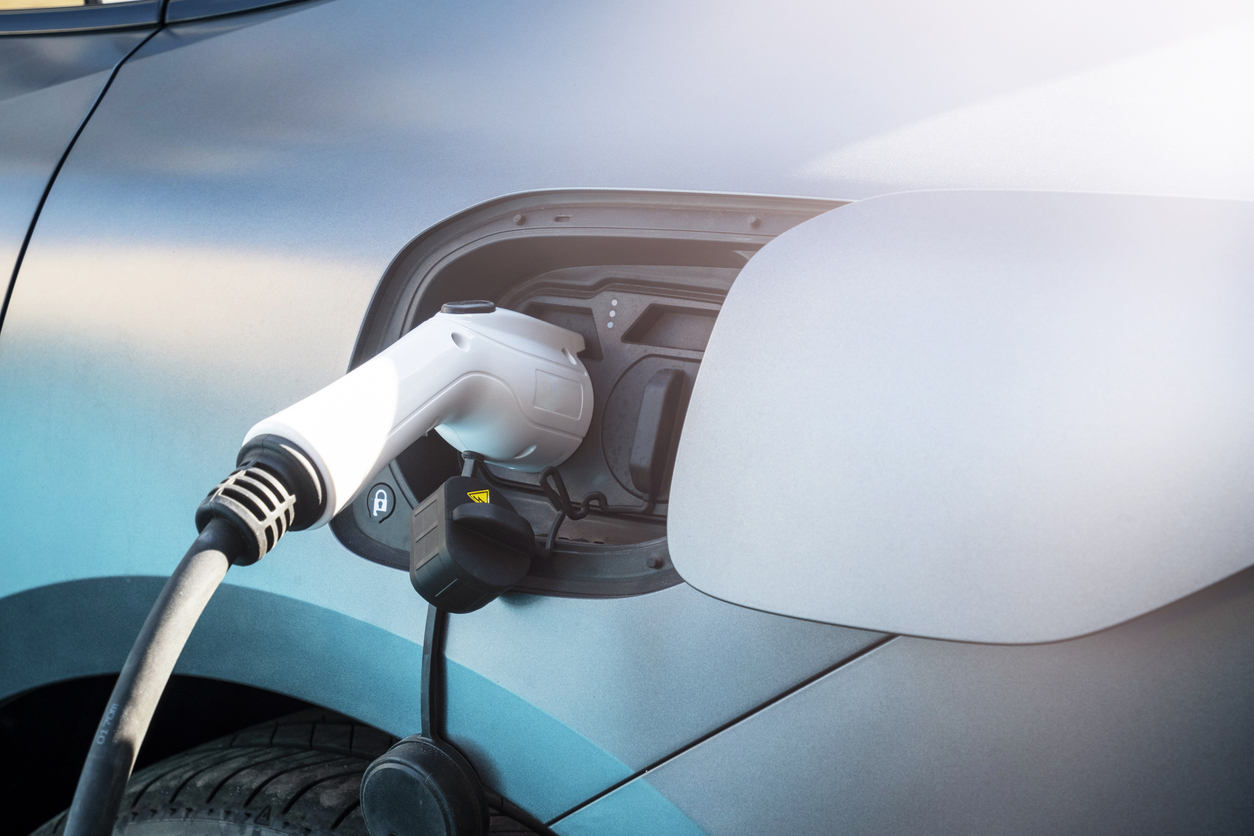
A few years ago, electric cars felt like something for early adopters and big corporates with dedicated fleet teams. That's changed fast. In 2025, EVs made up 23.4% of all new car registrations in the UK, with almost half a million battery electric vehicles hitting the road.
For SMEs, this raises an obvious question: should you be helping your employees get into an electric car, and how do you do it without adding cost or complexity? Continue reading to find out how it works and what it means for smaller employers.
The Tax Advantage That Makes EVs a Staff Perk Worth Offering
The government has made its position clear. Electric company cars attract a Benefit in Kind rate of just 4% for the 2026/27 tax year. Compare that to 26% or more for most petrol and diesel models. For a higher-rate taxpayer driving a £40,000 EV, the annual BiK bill comes to around £640. The same money spent on a petrol equivalent, something like a £40,000 Volkswagen Tiguan or BMW 3 Series, could land them with a tax bill north of £4,500.
That gap is why salary sacrifice car schemes have taken off. An employee gives up a portion of their gross salary in exchange for a brand new electric car. Because the deduction is made before tax and National Insurance, both employee and employer save money. The employee gets a car with insurance, maintenance and road tax bundled in. The employer pays less in National Insurance contributions. There's no capital outlay and no fleet to manage.
That's the basic mechanics, but the setup process puts a lot of SMEs off. They assume it'll involve lawyers, fleet managers and weeks of admin. In practice, providers like Pink Salary Exchange work with businesses from just one employee upwards and handle the whole thing digitally. They use a panel of funders to find competitive rates on each vehicle, and most schemes are live within a day.
What If You Don't Have Workplace Chargers?
This is the question most business owners ask first, and the answer is simpler than you'd expect. Most EV drivers charge at home overnight. A standard 7kW home charger typically costs between £800 and £1,200 fully installed, though renters and flat owners can apply for a government grant of up to £500 to bring that cost down.
Homeowners with their own driveway don't qualify for the grant, but the overall cost is still modest compared to the long-term fuel savings. Additionally, some salary sacrifice schemes also bundle the home charger into the package.
For employees who can't charge at home, the UK now has over 120,000 public EV chargers at motorway services, supermarkets and car parks. You don't need to install chargers at your office. It helps if you can, but it's not a requirement.
What Happens If an Employee Leaves?
This is the other big concern. With a salary sacrifice scheme, the lease agreement sits between the funder and the employer. If someone leaves, the car needs to be dealt with.
There are usually a few options:
- The employee can transfer the agreement to their new employer if it runs a similar scheme,
- Take over the lease personally,
- Or the car is returned and early termination charges apply.
Those charges typically cover the remaining payments at a discounted rate, and many schemes include insurance that covers the employer if an employee leaves, is made redundant or goes on long-term leave. It's worth checking exactly what protection is built in before you sign up, because it varies between providers.
Why Smaller Businesses Shouldn't Wait
There's a common assumption that salary sacrifice schemes are only for large companies. In practice, there's no minimum size requirement. If you employ one person and run PAYE, you can set up a scheme.
The BiK rates are locked in at favourable levels through to 2029/30. The rate rises to 5% in 2027/28, then to 7% and 9% over the following two years. That still makes EVs far cheaper to tax than petrol or diesel cars. But the window of maximum advantage is now. At 4%, your staff can drive a brand new electric car for significantly less than they'd pay to lease one privately.
Offering a salary sacrifice car scheme sends a clear message about your business. You're keeping up with what employees actually want. It's a genuine benefit that costs you nothing and can help with recruitment and retention, especially when competing against larger firms.
To Wrap Things Up
Electric cars aren't a niche product any more. They make up roughly one in four new cars sold in the UK, and the tax system actively rewards businesses that support EV adoption. If you've been putting this off because you thought it was too complicated or too expensive, the reality is very different.
There's no cost to set up, no fleet to run, and the tax savings benefit everyone involved. If you want to see what the numbers look like for your team, most providers will model it for free before you commit to anything.
.jpg)