5 Factors That Can Affect Fault in a Motorcycle Accident Case
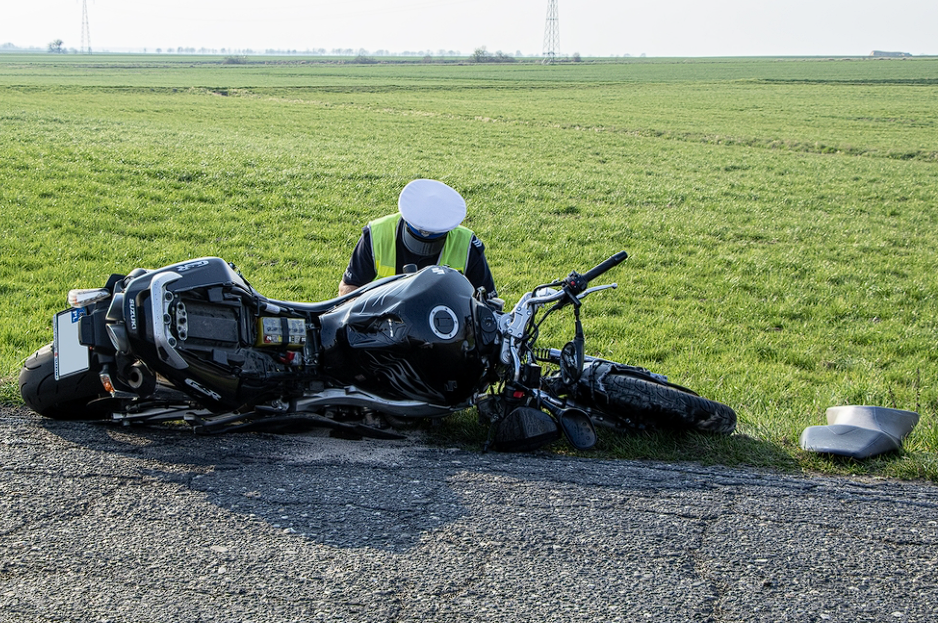
Behind every motorcycle accident is a series of events that led to the collision. A sudden turn, a road condition, a visibility issue, or a driver’s decision can all become important details during a review. The question of fault is not always answered by looking at the damage alone.
Determining the fault in a motorcycle accident case often requires looking closely at what happened before, during, and after the collision. Small details that may seem unimportant at first can provide valuable information during a review. Understanding the factors involved can help explain why responsibility may be viewed differently from one accident to another.
The Road Conditions That Tell Part of the Story
The road itself can play an important role in understanding how a motorcycle accident happened. Conditions such as damaged pavement, poor visibility, construction areas, or missing signs may affect how vehicles move and react.
A review of the accident may include details about the condition of the road at the time of the crash. Photos, traffic reports, and information from the accident scene can help show whether the environment contributed to what occurred.
Road conditions do not automatically determine responsibility, but they may be one factor considered when reviewing the circumstances surrounding a motorcycle accident.
The Actions of Drivers Before the Collision
The actions of everyone involved in an accident can provide important information about what happened. Driver behavior, traffic decisions, and attention to the road may all be reviewed during an accident investigation.
Factors that may be considered include:
- Following traffic rules
- Speed and driving patterns
- Changes in direction or lane movement
- Awareness of surrounding vehicles
- Reactions before the collision
A motorcycle accident can happen quickly, and understanding the actions that occurred before impact may help create a clearer picture of the event.
The Role of Motorcycle Visibility and Safety Factors
Motorcycles are smaller than many other vehicles, which can make visibility an important factor during a collision. The way a motorcycle and other vehicles interact on the road may be reviewed to understand how the accident developed.
Information that may be considered includes lighting conditions, vehicle positioning, traffic flow, and whether drivers had enough opportunity to notice each other.
Safety equipment and riding practices may also be reviewed as part of understanding the accident circumstances. These details do not automatically decide responsibility but may provide additional context about what happened.
Evidence That Helps Explain What Happened
Evidence can help create a clearer record of the accident and the events leading up to it. Since accident scenes can change quickly, collecting and preserving information can be important.
Useful evidence may include:
- Photos and videos from the accident scene
- Police reports
- Statements from witnesses
- Vehicle damage records
- Medical documents
- Traffic camera footage
Each piece of evidence can provide additional details about the collision. Reviewing multiple sources of information can help create a more complete understanding of the accident instead of relying on one detail alone.
The Impact of Injuries and Accident Details
The injuries involved in a motorcycle accident may also become part of the overall review. Medical records can provide information about the type of injuries, treatment received, and expenses connected to the accident.
Other details may include the location of the crash, the vehicles involved, and the events surrounding the collision. These factors can help explain the seriousness of the accident and the impact it had.
Keeping medical records, repair information, and accident documents organized can make it easier to review the complete situation.
How Insurance Reports and Statements Can Influence the Review
Insurance companies often collect information after a motorcycle accident to evaluate claims. The statements provided, documents submitted, and records reviewed may become part of the overall process.
It is important to provide accurate information and keep copies of communication related to the accident. Details shared during conversations, reports, or written statements can help explain the circumstances of the collision.
Because each accident has different facts, insurance reviews may involve many factors before reaching a conclusion about responsibility.
Looking at Fault After a Crash
Evaluating the responsibility after a motorcycle accident requires attention to the details surrounding the incident. Evidence, road conditions, driver behavior, visibility, and injury records may each help explain how the crash occurred and the factors involved
The fault in a motorcycle accident case may depend on the specific circumstances surrounding the collision and the available information used during the review. Keeping records, preserving evidence, and understanding the factors involved can help provide a clearer view of the accident and the issues connected to it.