7 Best Influencer Search Tools to Help Brands Find Creators in 2026
.jpg)
Finding the right creators used to mean hours of manual filtering, tab-hopping, and guesswork. In 2026, AI-powered discovery can turn a clear brief into a shortlist faster, but results still depend on data quality and audience criteria.
This ranking is for founders, marketing leads, ecommerce teams, and lean agencies that need creator programs to produce measurable results without wasting budget on poor-fit influencers. I compared each platform on discovery, outreach, campaign workflow, audience checks, ecommerce fit, and ROI reporting.
Key Takeaways
- CreatorIQ suits enterprise teams that need content-first discovery, semantic search, and deeper measurement.
- Upfluence is a strong AI-assisted option for creator discovery, ecommerce workflows, campaign management, analytics, and payouts, especially for ecommerce and DTC brands.
- Sprout Social Influencer Marketing (Tagger) fits Sprout-native teams that want influencer discovery connected to social workflows.
- Aspire and HypeAuditor solve different sourcing problems: Aspire balances inbound and outbound recruitment, while HypeAuditor emphasizes audience integrity.
- Modash and GRIN are practical options for faster testing, especially for ecommerce teams that want self-serve or trial-led access.
How I Tested These Influencer Search Tools
I ran the same creator brief through each platform and looked at how quickly I could move from search to a shortlist worth contacting.
I weighted discovery quality, outreach and sourcing, audience integrity, ecommerce fit, campaign workflow, ROI reporting, and how much manual stitching each tool required.
- Upfluence

Upfluence pros
- Jaice, Upfluence's AI, supports natural-language creator discovery
- Designed as an end-to-end creator marketing platform
- Supports inbound applications and recruit pages
- Ecommerce integrations include Shopify, WooCommerce, Magento, BigCommerce, and Amazon
- Can help surface creators already in your customer base
- Real-time campaign analytics support ROI tracking
- Higher tiers add email drip sequences, advanced campaign creation, payouts, and automatic tax forms
Upfluence cons
- Pricing is modular and custom-quoted, so scoping takes a sales conversation
- Some automation features, including email drip sequences, sit in higher tiers
My experience with Upfluence
Upfluence felt like a complete option for a brand that wants to connect discovery with the rest of creator marketing. Instead of stacking filters one by one, I could explain the brief and use Jaice to guide the shortlist.
I used Upfluence's influencer search to describe the creator profile in plain English and move faster from idea to qualified matches. That cut down the keyword tweaking and manual filtering I usually expect from database-style tools.
The most useful angle for ecommerce brands is the ability to identify creators who may already be customers. Outreach feels warmer when someone has a real link to the brand, and it gives teams a better starting point than cold prospecting. Upfluence also reports gains in reply rates and long-term partnership formation from creators sourced this way, though I'd treat those figures as vendor-reported until you can benchmark them against your own campaigns.
Because discovery, inbound recruiting, outreach, analytics, and payments can live in one place, Upfluence reduces the tab-hopping that makes creator programs hard to scale.
Upfluence pricing
Upfluence uses modular, custom-quoted pricing across plan groupings such as Find Creators, Scale Programs, and Run Programs on Autopilot. You choose the modules that match your program rather than picking from a simple public price table.
The discovery grouping focuses on search and shortlisting. Higher groupings add more campaign automation, and the top grouping includes vendor-stated multi-currency payouts and automatic tax forms. Because pricing is custom, expect a scoping call.
- CreatorIQ
CreatorIQ pros
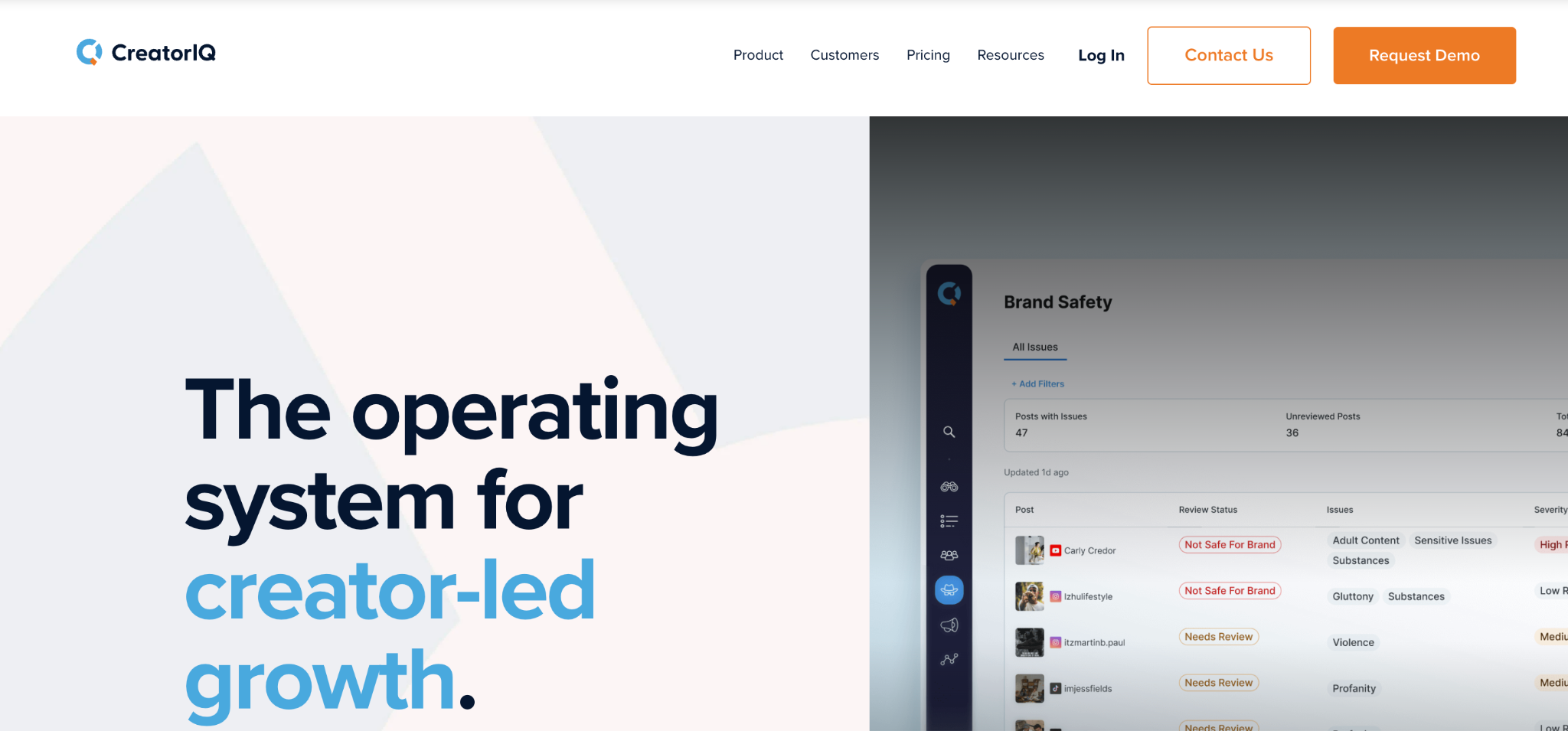
- Content-first discovery with profile previews
- First-party viewership insights appear in Discovery, Lists, and Profiles
- Creator Intelligence supports semantic, conversational search
- AI-powered Improve Results can surface similar creators by content fit
CreatorIQ cons
- Enterprise orientation may be heavy for smaller teams
- Pricing is custom through Contact Sales
My experience with CreatorIQ
CreatorIQ is built for teams that care deeply about content fit and measurement. I liked that viewership insights appear inside the discovery workflow, so vetting does not require as much context switching.
The semantic discovery tools are useful when you know the content style you want but do not want to rely only on hashtags. It is a better fit for mature programs than for a small brand making its first few creator hires.
CreatorIQ pricing
CreatorIQ pricing is custom and handled through Contact Sales. I have not included figures because no official public pricing was available in the draft sources.
- Sprout Social Influencer Marketing (Tagger)
Sprout Social Influencer Marketing pros
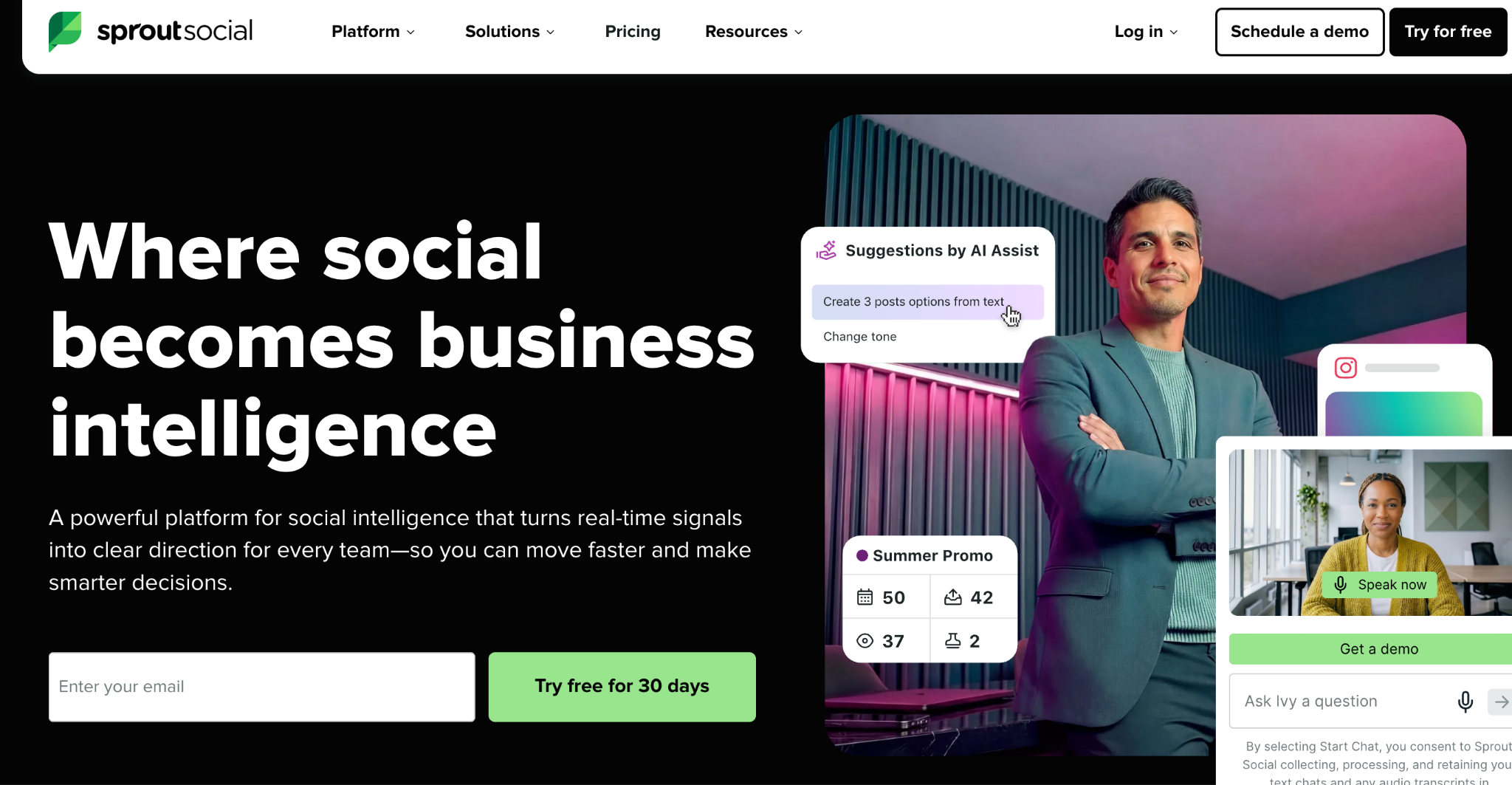
- AI-Assist semantic search supports topic-led discovery
- Campaign management connects with a broader social suite
- Good fit for teams already using Sprout Social
Sprout Social Influencer Marketing cons
- Pricing is not public, so you need Contact Sales
- The wider suite may be more than a discovery-only buyer needs
My experience with Sprout Social Influencer Marketing
Sprout's influencer product is strongest when your team already works inside Sprout. The topic-led semantic search made discovery feel less rigid than simple keyword matching.
Vendor release notes also point to Instagram Creator Marketplace integration, which can enrich creator profiles and attributes. That helps with vetting, but the product makes the most sense if you want influencer work near your existing social publishing and listening workflows.
Sprout Social Influencer Marketing pricing
Sprout does not publish pricing for this influencer marketing product. Plan to contact sales and confirm which influencer features are included in your package.
- Aspire

Aspire pros
- Combines inbound marketplace applications with outbound discovery
- AI-powered lookalike recommendations help expand a good shortlist
- Useful CRM and outreach workflows for UGC and ambassador programs
Aspire cons
- Pricing is not public
- Some capabilities may sit in higher tiers
My experience with Aspire
Aspire works well when a brand wants to balance applicants with active creator search. Its lookalike recommendations helped widen a shortlist after I found one strong reference profile.
Its relationship tools make sense for UGC and ambassador programs where ongoing collaboration matters, but confirm pricing and tier access before comparing value.
Aspire pricing
Aspire does not publish pricing, so buyers go through Contact Sales. I have avoided quoting numbers because none were provided on an official pricing page.
- HypeAuditor

HypeAuditor pros
- Discovery spans Instagram, TikTok, YouTube, X, and Twitch
- Strong audience analytics and authenticity checks
- Public pricing page lists plan inclusions by data volume
HypeAuditor cons
- Full filters and features require a paid plan
- Analytics depth may feel heavy if you only need sourcing
My experience with HypeAuditor
HypeAuditor is useful when audience quality is the main concern. Its authenticity checks and engagement signals help teams spot creators who look good at first glance but may not be a fit.
The platform also lists keyword and AI search, engagement metrics, and estimated post price in its plan information, which helps marketers benchmark before outreach.
HypeAuditor pricing
HypeAuditor publishes a pricing page, with plans that vary by data volume and included features. Check the current page before budgeting.
- Modash
Modash pros
- AI Search supports plain-language discovery prompts
- Lookalike search helps expand shortlists
- Shopify features cover gifting, sales tracking, and discount codes
- Vendor-stated 14-day free trial
Modash cons
- Usage-based costs can rise with heavier activity
- Network coverage may be narrower than larger suites
My experience with Modash
Modash feels nimble and easy to test. The AI Search box is straightforward, and lookalike search helped me move from one good creator to a broader shortlist.
For ecommerce teams, the Shopify features are practical. Modash also states a 350M+ creator profile index, which I would treat as vendor-reported.
Modash pricing
Modash publishes usage-based tiers and offers a vendor-stated 14-day free trial. Review the current pricing page against your expected search and outreach volume.
- GRIN

GRIN pros
- Self-serve access with no required sales call
- Vendor-stated 30-day free trial and month-to-month billing
- Migration paths from CSV or another platform
- Built with ecommerce and DTC workflows in mind
GRIN cons
- Discovery depth may vary by plan
- Self-serve setup may offer less hand-holding than enterprise onboarding
My experience with GRIN
GRIN stands out for reducing buying friction. The self-serve path is appealing if you want to test workflows before committing to a bigger platform decision.
Its ecommerce focus makes it relevant for DTC brands that manage products, creators, and sales impact together. Still, check which plan gives you the discovery and analytics depth you need.
GRIN pricing
GRIN positions its newer access around usage-based AI pricing, with vendor-stated trial and month-to-month options. Actual cost depends on usage, so I have not quoted a fixed figure.
Conclusion
After comparing the same brief across all seven tools, the right choice depends on your operating model more than any single "best" answer. CreatorIQ is strongest for enterprise measurement depth. Upfluence stands out for brands that want Jaice-powered discovery paired with inbound recruiting, ecommerce integrations, campaign analytics, and payment workflows in one platform. Sprout Social Influencer Marketing fits teams already using Sprout, Aspire works well for UGC and ambassador programs, and HypeAuditor is useful when audience integrity is the priority.
For teams that want to test quickly, Modash and GRIN offer more trial-led or self-serve paths. If you want a practical starting point for discovery, outreach, campaign management, and ROI tracking together, Upfluence is worth evaluating alongside your shortlist.