7 Best Wholesale Thermal Label Suppliers for High-Volume Orders in 2026
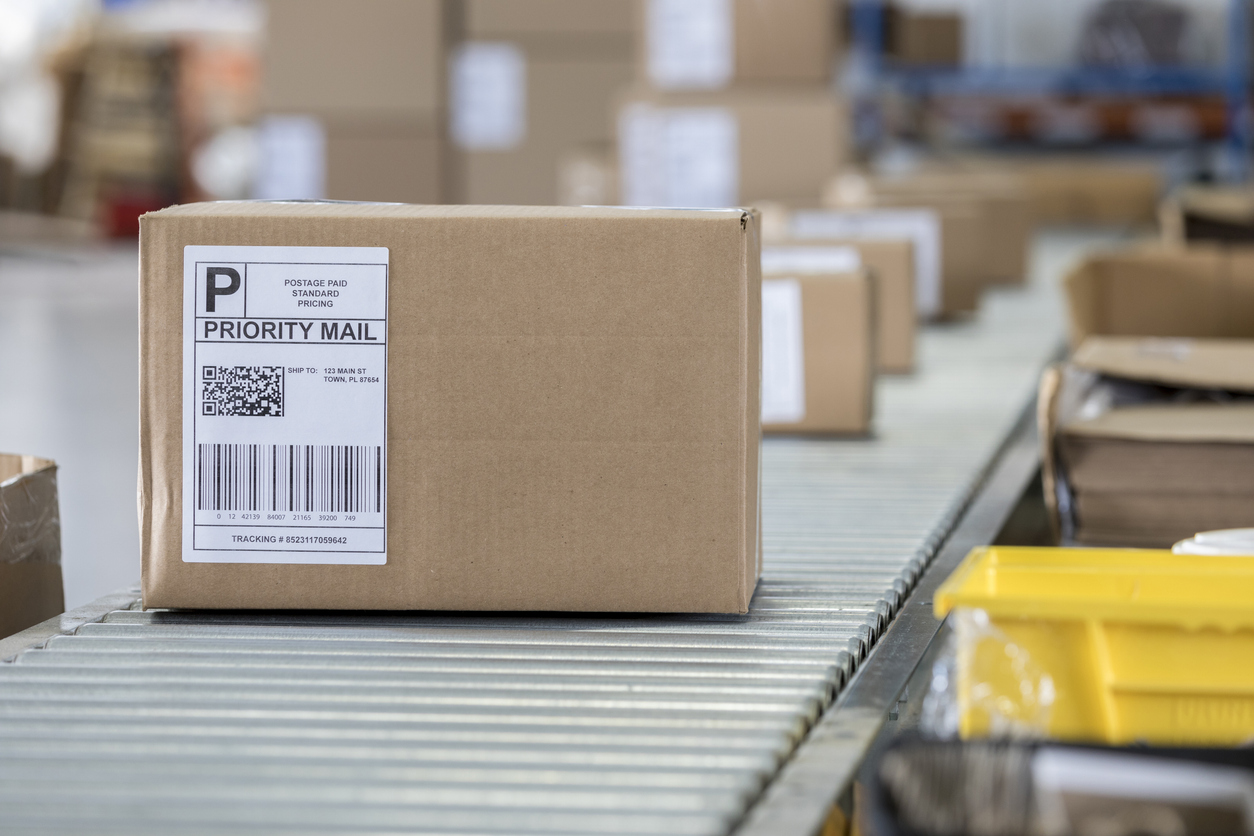
A warehouse supervisor places a 20,000-label replenishment order before peak season, only to find that the adhesive fails on cold storage cartons and the core size does not fit the existing printers. The result is downtime, reprinting, and expedited freight that erases any per-roll savings. This can happen when buyers source wholesale thermal labels without matching label technology, material, and supplier capability to the application. Direct thermal labels and thermal transfer labels serve distinct uses, and high-volume buyers need a supplier that can support the right choice at scale.
Our top pick is Interplas for businesses that need a single wholesale source covering direct thermal and thermal transfer labels at bulk pricing. Its dual-technology range simplifies procurement for mixed-use operations. The catalog is organized around wholesale and bulk thermal label sourcing, helping high-volume buyers consolidate reorders in one place. For buyers who want factory-direct pricing from a United States manufacturer with more than 25 years of experience, Barcode Labels is the strongest alternative. Buyers prioritizing free continental United States shipping on 100 percent United States-made labels should also consider Infinity Labels.
This guide is intended for purchasing managers, warehouse and operations leads, e-commerce fulfillment teams, distributors, and growing small businesses with recurring label needs. We evaluated suppliers on label technology range, bulk pricing access, United States manufacturing or fulfillment, customization depth, product breadth, and reorder reliability. The result is a ranked list of the seven best wholesale thermal label suppliers for high-volume orders in 2026, followed by the criteria used and detailed profiles to help match each source to the right operation.
Our Selection Criteria
High-volume thermal label buying is a procurement decision rather than a one-time office supply purchase. Unit price matters, but consistency, compatibility, and supply stability carry more weight when an operation prints thousands of barcode labels or shipping labels per week. The suppliers below were assessed against six practical factors that affect total cost and operational risk.
Label Technology Range
We looked for coverage of direct thermal labels for short-life applications such as shipping and picking, as well as thermal transfer labels for longer-life barcode, inventory, and compliance uses. Suppliers carrying both technologies reduce the need to split orders across vendors. Specialty materials intended for cold, moisture, or abrasion resistance were considered an advantage.
Bulk Pricing and Factory-Direct Access
Wholesale thermal labels should offer volume tiers or factory-direct pricing that lowers the per-thousand cost compared with retail packs. We favored manufacturers that eliminate distributor markup and distributors that publish clear bulk pricing structures. Where pricing is quote-based, we did not assume a discount, and buyers should request figures for their expected volumes.
United States Manufacturing and Fulfillment
Domestic production or United States-based fulfillment can shorten lead times and support consistent quality control for bulk thermal labels. It also matters for buyers with domestic sourcing requirements. Global demand for paperboard labels remains substantial, according to World Bank trade data on printed label exports, making reliable domestic supply a relevant differentiator for United States operations.
Customization Options
High-volume buyers often need specific roll widths, core sizes, perforations, adhesives, or preprinted layouts. We gave preference to suppliers that document custom sizes, materials, adhesives, and print options. Where customization options are less clearly documented, buyers should confirm specifications before committing to a large order.
Product Breadth
Beyond standard label rolls, many operations need tags, sheeted labels, pin-feed formats for legacy equipment, thermal transfer ribbons, or laser and inkjet labels for mixed printer fleets. A broader assortment can help consolidate purchasing. Narrower specialists can still rank highly when they serve a defined niche well.
Reorder Ease and Supply Stability
Recurring orders require stable stock, predictable lead times, and straightforward reordering. We considered company longevity, employee and revenue scale where disclosed, multi-location presence, and explicit positioning around stable supply for distributors and resellers.
The 7 Best Wholesale Thermal Label Suppliers for High-Volume Orders
Using those criteria, we identified seven suppliers suited to high-volume buyers, ranging from dual-technology wholesalers to factory-direct manufacturers and ribbon specialists. Each entry notes what the supplier does best and where its offering may be limited, helping buyers match a source to their operation. Number one is the top recommendation for consolidated wholesale sourcing, while numbers two through seven stand out in specific niches.
#1. Interplas - Best for Wholesale Dual-Technology Sourcing
Interplas is a wholesale-oriented thermal label supplier positioned for buyers that need both major thermal technologies from one purchasing source.
The company serves procurement buyers sourcing at volume rather than single-roll retail purchasers. Its Thermal Labels range covers wholesale and bulk direct thermal labels alongside wholesale and bulk thermal transfer labels. This allows operations with mixed applications to consolidate shipping labels, barcode labels, and inventory management labels with fewer vendors. That structure is useful for warehouses that run direct thermal media for outbound parcels and thermal transfer media for longer-life bin, pallet, and product identification.
From a procurement standpoint, consolidation is the main appeal. Managing one supplier relationship for both label types can simplify quoting, approvals, and recurring replenishment compared with splitting direct thermal and thermal transfer volumes. The dedicated thermal labels section also makes product selection more direct for buyers who already know their printer type, roll dimensions, and use case. Its positioning centers on wholesale and bulk supply, aligning it with recurring high-volume orders instead of occasional small-pack purchases.
Strengths
- Covers both direct thermal labels and thermal transfer labels through one wholesale source
- Bulk and wholesale positioning suited to recurring high-volume replenishment
- Dedicated thermal labels assortment that simplifies product selection
- Relevant across common applications including shipping, barcoding, warehousing, and inventory control
- Single-supplier consolidation can reduce administrative overhead for mixed-technology operations
Trade-offs
- Buyers with domestic sourcing requirements should ask where the labels are produced
- Minimum order quantities and volume tiers are set at the quoting stage
- Custom printing and die-cutting options should be discussed before ordering
- Less widely recognized than some larger thermal media producers, so new buyers may want samples and references
Best for: Businesses sourcing direct thermal and thermal transfer labels wholesale from one place for high-volume and repeat orders.
#2. Barcode Labels - Best for Factory-Direct Pricing and PolyMatte Innovation
Barcode Labels is a United States manufacturer with more than 25 years of experience supplying labels for retail, warehousing, and inventory management.
The company produces labels in its United States facility using a single-pass process and sells factory-direct, a model designed to remove distributor markup from bulk thermal labels. Its range includes thermal transfer labels and direct thermal labels, along with proprietary PolyMatte labels developed for demanding labeling challenges. Customized materials, sizes, and adhesives are available for specific operational needs, and the company also supplies tags and ribbons. This combination makes it relevant for buyers seeking material guidance instead of choosing from a fixed retail assortment.
For high-volume procurement, the factory-direct structure is the central advantage. Direct access to the manufacturer can improve pricing consistency and make it easier to specify substrates and adhesives for environments involving handling, moisture, or temperature variation. The PolyMatte option provides an additional material choice, although buyers should confirm printer compatibility and test performance in their workflow before scaling. The product range across retail, warehouse, and inventory uses supports both outbound and in-facility applications.
Strengths
- United States-based manufacturing with single-pass production control
- Factory-direct model designed to reduce pricing by removing the middleman
- Covers thermal transfer, direct thermal, and proprietary PolyMatte materials
- Custom materials, sizes, and adhesives support application-specific sourcing
- Serves retail, warehousing, and inventory management, and also offers tags and ribbons
Trade-offs
- Minimums and volume price tiers are handled through quotes rather than a published schedule
- PolyMatte is a proprietary format, so compatibility with existing printer setups should be confirmed
- Ribbon range is a secondary line, so buyers with heavy ribbon needs should check assortment depth
- Less prominent as a national distributor brand, so buyers may need to request quotes and lead times
Best for: Buyers who want factory-direct pricing from a United States-based manufacturer with broad material customization.
#3. Able Label - Best for Established Thermal Transfer Ribbon Supply
Able Label is a manufacturer and distributor of thermal transfer and direct thermal products, and it stands out in this group for its ribbon depth.
The company offers ribbons in wax, wax and resin, and resin formulations, available in stock or by special order. That range matters because ribbon choice directly affects print durability on thermal transfer labels. Wax suits general-purpose paper labels, wax and resin provides improved smudge and scratch resistance, and resin supports synthetic substrates and harsher handling. Coverage of thermal transfer and direct thermal product lines lets buyers source ribbons and labels with coordinated specifications.
Scale and tenure provide additional context. The business reports approximately 13 employees and 19.7 million dollars in annual revenue, is headquartered in Spokane, Washington, and traces its history back nearly four decades. Its manufacturer and distributor model gives buyers flexibility when they need standard stock items or special-order formulations. Those running thermal transfer at volume should still check roll widths, lengths, ink orientation, and printer compatibility before placing large ribbon orders.
Strengths
- Long-established supplier with nearly four decades of industry presence
- Three ribbon formulations in stock and on special order for varied substrates
- Covers thermal transfer and direct thermal product categories
- Manufacturer and distributor model supports standard and special-order procurement
- Focused assortment helps buyers match ribbon chemistry to label material
Trade-offs
- Small team of about 13 people, so buyers placing very large orders should check production and fulfillment capacity
- Custom label sizes and preprinted options are less of a focus than ribbon supply
- Bulk pricing tiers and minimums require a direct quote
- Western headquarters location means East Coast buyers should confirm shipping times and freight cost
Best for: Operations that need an established source for thermal transfer ribbons alongside direct thermal products.
#4. Continental Datalabel - Best for Sheeted and Pin-Feed Label Specialists
Continental Datalabel is a label manufacturer specializing in thermal transfer labels, direct thermal labels, sheeted labels, and pin-feed labels.
Its format breadth is the key differentiator. Most wholesale suppliers focus on rolls for desktop and industrial thermal printers, while sheeted and pin-feed options serve offices, legacy dot-matrix environments, and specialized workflows that still rely on fanfold or cut-sheet media. For operations maintaining older equipment or mixed print infrastructure, sourcing these formats from the same manufacturer as thermal rolls can reduce vendor fragmentation.
The company reports about 79 employees and 7.1 million dollars in annual revenue, with headquarters in Elgin, Illinois and additional presence associated with Duluth, Redlands, and Somerset. Its operating history spans more than seven decades, indicating extensive institutional experience with label converting and specification support. Buyers should still confirm lead times, customization scope, and volume capacity for enterprise-scale rollouts, particularly when thermal transfer ribbons, adhesives, and synthetic materials are involved.
Strengths
- Specialist coverage of sheeted and pin-feed labels alongside standard thermal rolls
- Operating history of more than seven decades with established converting expertise
- Multi-location presence supports broader geographic distribution coverage
- Covers thermal transfer and direct thermal technologies
- Mid-size team structure suited to consultative specification for nonstandard formats
Trade-offs
- Reported revenue scale suggests mid-size capacity, so large enterprise programs should check throughput
- Customization scope and minimums need clarifying for nonstandard formats
- High-volume pricing is quote-based rather than published
- Less visible in direct-to-consumer search results than newer online-first label retailers
Best for: Operations that require sheeted or pin-feed labels alongside standard thermal rolls, especially those supporting legacy equipment.
#5. Betckey - Best for Distributors and Resellers Scaling Up
Betckey designs, manufactures, and sells thermal labels for varied industries and applications, with an explicit focus on distributors, resellers, and growing businesses.
The company’s positioning is built around scalability. Instead of targeting only end users buying single cases, it emphasizes stable supply, custom options, and factory-direct pricing for partners that need to fulfill downstream customers repeatedly. Customization is available for tailored solutions, which is important for resellers serving clients with different printer fleets, label sizes, and durability requirements. Its coverage across industries suggests flexibility in matching label constructions to shipping, barcoding, product identification, and inventory uses.
For procurement teams evaluating Betckey, the relevant questions concern operations as much as price. Distributors should confirm assortment stability, reorder lead times, quality consistency across lots, and the process for requesting custom dimensions or materials. Factory-direct pricing can improve margins at scale, but resellers should validate total landed cost, freight terms, and support responsiveness before committing downstream service levels to one source.
Strengths
- Explicitly built for distributors, resellers, and growing businesses with volume needs
- Factory-direct pricing model supports lower per-unit cost at scale
- Custom options available for tailored labeling solutions across applications
- Stable supply positioning relevant for partners with recurring fulfillment obligations
- Design and manufacturing involvement supports specification alignment
Trade-offs
- Specific label formats, materials, and ribbon availability are best confirmed through samples
- Minimums, price tiers, and production location should be clarified during onboarding
- Lower brand recognition than established thermal media manufacturers
- Product range is centered on thermal labels rather than wider print media
Best for: Distributors, resellers, and growing businesses that need scalable supply with custom options and factory-direct pricing.
#6. Infinity Labels - Best for Free Shipping on 100 Percent United States-Made Labels
Infinity Labels supplies thermal labels with a domestic value proposition based on United States manufacturing and inclusive freight.
All of its labels are described as 100 percent made in the United States, and all orders ship free within the continental United States. The assortment includes direct thermal labels, thermal transfer labels, direct thermal tags, and Dymo-compatible labels in varied shapes, sizes, materials, and colors. That breadth supports industrial thermal printers and smaller desktop units used in offices, retail counters, and light warehouse stations. Bulk listings reach around 1,002.06 dollars for larger bundles, although that figure reflects a specific SKU rather than a universal starting price.
For total cost analysis, free continental shipping can affect landed cost on heavy bulk cases. Buyers should still compare unit pricing, roll yields, and adhesive performance rather than choosing based on freight alone. The combination of domestic production and broad format choice is most relevant to United States buyers that need consistent replenishment without separate freight calculations for every reorder.
Strengths
- 100 percent United States manufacturing supports domestic sourcing requirements
- Free shipping within the continental United States reduces total landed cost
- Broad format range including direct thermal, thermal transfer, tags, and Dymo-compatible labels
- Multiple shapes, sizes, materials, and colors for varied printer setups
- Clear positioning for repeat buyers that value predictable fulfillment
Trade-offs
- Custom printing and die-cut options are less prominent than the stock range
- Minimum order quantities should be checked for large recurring programs
- Free shipping limited to the continental United States, so Alaska, Hawaii, and international buyers face added cost
- Volume pricing tiers should be confirmed for orders beyond standard bundles
Best for: United States buyers seeking domestically manufactured labels with free continental shipping and broad format choice.
#7. Thermal Label Warehouse, LLC - Best for Broad Label and Ribbon Variety Including Laser and Inkjet
Thermal Label Warehouse, LLC is a broad-range supplier covering labels and ribbons across industries, with additional depth in office printing media.
In addition to thermal products, the company offers a full line of laser and inkjet labels for office printers and copiers. This is relevant for mixed-printer environments where a warehouse uses thermal media for shipping and barcode labels while administrative teams print mailing labels, carton labels, and product packaging on laser or inkjet devices. Common applications include shipping labels, barcode labels, mailing labels, carton labels, and product packaging. The company also specializes in custom preprinted labels and supplies related equipment, supporting consolidated purchasing of labeling consumables.
The breadth-first model suits buyers that prefer to consolidate thermal, office, and preprinted requirements rather than manage separate vendors for each print technology. Buyers focused exclusively on high-durability thermal transfer media with synthetic films or specialized adhesives should confirm material depth, ribbon compatibility, and testing support. As with other broad distributors, volume pricing, minimums, and lead times should be clarified during the quoting process.
Strengths
- Covers thermal plus laser and inkjet labels for mixed printer fleets
- Custom preprinted labels available for branded or compliance layouts
- Broad application coverage including shipping, barcodes, mailing, carton, and packaging
- Labels, ribbons, and related equipment available from one source
- Cross-industry assortment supports centralized purchasing
Trade-offs
- Buyers needing domestic production should ask about manufacturing origin
- Minimums, pricing, and bulk discounts are arranged through quotes
- Broad scope may mean less specialization for thermal-only durability requirements
- Thermal material range and advanced customization should be reviewed against durability needs
Best for: Buyers that want one source for thermal labels, ribbons, and laser and inkjet labels in mixed-printer operations.
Frequently Asked Questions About Wholesale Thermal Labels
What Is the Difference Between Direct Thermal Labels and Thermal Transfer Labels for Bulk Buyers?
Direct thermal labels create an image through heat-sensitive chemistry without a ribbon, keeping printing simple and cost-efficient for short-life uses such as shipping labels and picking tickets. Thermal transfer labels use a heated ribbon to bond ink to the label, improving resistance to heat, light, abrasion, and chemicals for barcode, inventory, and asset applications. For bulk buying, the difference affects unit cost as well as ribbon spend, printer setup, and replacement frequency. Operations with mixed needs often stock both technologies or consolidate purchasing with a dual-technology wholesale supplier.
Which Is Best for Shipping and Logistics: Direct Thermal or Thermal Transfer Labels?
Direct thermal is generally best for high-speed shipping and logistics when labels are scanned within days or weeks and low consumable cost matters. It avoids ribbon inventory and works well for parcel, carton, and outbound e-commerce labeling. Thermal transfer is appropriate when cartons face heat, sunlight, moisture, or extended storage, or when barcodes must remain scannable for months or years. Many fulfillment operations standardize on direct thermal for outbound parcels and reserve thermal transfer for pallet, bin, and returns labeling.
What Is the Difference Between Wholesale and Retail Thermal Label Pricing at Scale?
Retail packs bundle small quantities with convenience pricing and often include per-roll markups that compound quickly at volume. Wholesale or bulk pricing typically reduces the per-thousand cost through larger case quantities, factory-direct access, or contracted tiers tied to repeat volume. The comparison should use total landed cost per scannable label, including freight, ribbons where applicable, misprint rates, and reorder administration. Buyers should request tiered quotes at realistic monthly volumes instead of comparing single-roll list prices.
Which Is Best for Printer Compatibility: Specification Matching or Sample Testing?
Specification matching comes first, with sample testing used to confirm the choice, so high-volume buyers should use both. Start by matching width, length, core diameter, unwind direction, print method, and sensor type to printers from brands such as Zebra, Dymo, and Honeywell. Then test samples for print darkness, adhesion to your cartons or products, and smudge resistance in the operating environment. Federal purchasing decisions may also involve formal product-origin determinations, as illustrated by this Federal Register determination on thermal printers, so government and government-adjacent buyers should check any applicable sourcing requirements.
What Is the Difference Between Custom and Stock Thermal Label Rolls for Bulk Orders?
Stock rolls offer standard sizes, materials, and adhesives with faster availability and lower setup cost, which suits common shipping and barcode workflows. Custom rolls adjust dimensions, materials, adhesives, perforations, or preprinted layouts to fit specific printers, surfaces, or compliance needs, but they may involve setup fees, longer lead times, and minimum quantities. A practical approach is to standardize on stock where possible and reserve custom work for applications where fit, durability, or branding directly affects scan rates or returns. Always confirm proofs, tolerances, and reorder minimums before scaling a custom construction.
Which Is Best for Long-Term Storage: Direct Thermal or Thermal Transfer Labels?
Thermal transfer is best for long-term storage, asset tagging, and inventory labels that must remain legible after exposure to light, heat, or handling. Direct thermal images can fade over time, especially with heat or ultraviolet exposure, making them less suitable for archival or outdoor-adjacent storage. For warehouse labels, product identification, and compliance marking with multi-year retention needs, pair thermal transfer labels with the appropriate wax, wax and resin, or resin ribbon for the substrate. Direct thermal is better reserved for high-turn labels where simplicity and speed matter more than archival life.
Making a Consolidated Choice for High-Volume Labeling
The seven suppliers above address different procurement priorities rather than offering a single definition of value. Buyers may prioritize dual-technology wholesale breadth, factory-direct manufacturing, ribbon chemistry depth, sheeted and pin-feed coverage, distributor-ready scalability, domestic production with inclusive freight, or mixed-fleet office media. The right choice depends on the label technologies in use, recurring monthly volume, the need for customization or legacy formats, and the importance of United States manufacturing to company policy.
For buyers that want to consolidate direct thermal and thermal transfer volumes through one wholesale relationship, the top pick is a straightforward starting point. Review printer specifications, test samples on the actual cartons and products, and request volume-tier quotes before committing to a bulk replenishment cycle.