8 Ways NextPage Uses Variable Data Printing for Personalized Campaigns

A printed campaign can reach thousands of people, but sending the same message to everyone does not always create the strongest connection. Recipients respond differently based on their interests, needs, and relationship with a brand, making relevance an important part of effective direct mail.
Creating a separate version for every recipient is difficult at scale. Variable data printing helps bridge that gap by allowing print campaigns to adapt to recipient data while maintaining a consistent production process.
NextPage uses this approach to make direct mail more relevant without treating every piece as a completely separate campaign.
But how does that personalization work in practice?
The following eight ways show how NextPage uses variable data printing to make each campaign more targeted.
1. Personalizes Individual Mailers
The most direct use of variable data printing is changing the specific information for each recipient. NextPage uses customer or prospect data to personalize individual print pieces while keeping the overall campaign design consistent.
Names, addresses, messages, offers, images, and QR codes are used as variable elements. For example, a retailer can maintain one postcard design while changing the message or offer based on information associated with each recipient.
This approach allows a single campaign to feel more personal without requiring marketers to create and print every mailer separately.
Personalized elements can include:
- Recipient names and addresses
- Individualized messages
- Relevant offers
- Images and QR codes
2. Tailor Messages by Audience
Individual personalization can go beyond a recipient's name. NextPage's VDP capabilities allow marketers to tailor content for different audience segments using customer or prospect data.
For example, a new prospect may need an introductory message, while an existing customer may receive content focused on retention or a related product. Variable data printing can create customized content for individual recipients while keeping production efficient, allowing different audience groups to receive different versions of the same campaign.
This makes segmentation part of the printed experience. Instead of sending one message to everyone, marketers can align the content with the audience it is intended to reach.
3. Customizes Promotional Offers
Once an audience has been segmented, the offer can also change according to the campaign strategy. NextPage identifies offers as one of the elements that can be personalized through variable data printing.
For example, recent buyers could receive an offer related to a previous purchase, while prospects could receive an introductory promotion. Different customer groups can also receive different promotional values when the campaign calls for it.
The overall design can remain consistent while the offer changes from one recipient or segment to another. This gives marketers greater control over the relevance of the promotion.
Campaign elements can vary by segment:
- Featured product or service
- Promotional offer
- Supporting message
4. Adapts Visual Content
Personalization is not required to be limited to written content. NextPage’s VDP services change imagery and other visuals based on customer or prospect data.
For instance, a retailer may display different product images to customers depending on their interests or how they shop. With variable data printing, images and other design elements can be altered from one printed piece to the next, allowing the same campaign to speak differently to different audience groups.
This brings personalization to life the moment the recipient picks up the piece. Variable visual content may include:
- Product images
- Location-based graphics
- Audience-related illustrations
5. Creates Dedicated Calls to Action
A personalized message should tell you what the next step is. Variable data printing enables elements of a campaign to be varied as well as calls to action, so that the action requested can be tailored to the recipient or audience addressed.
For example, a prospect could be encouraged to learn more, or an existing customer could be directed to a repeat purchase. An event-focused audience could then be prompted to register.
The design can remain the same, but the CTA can change depending on the campaign's data. This gives each mailer a sharper focus and helps tie the printed message to the desired response.
A personalized CTA could be:
- Action requested
- Response instructions
- Supporting message
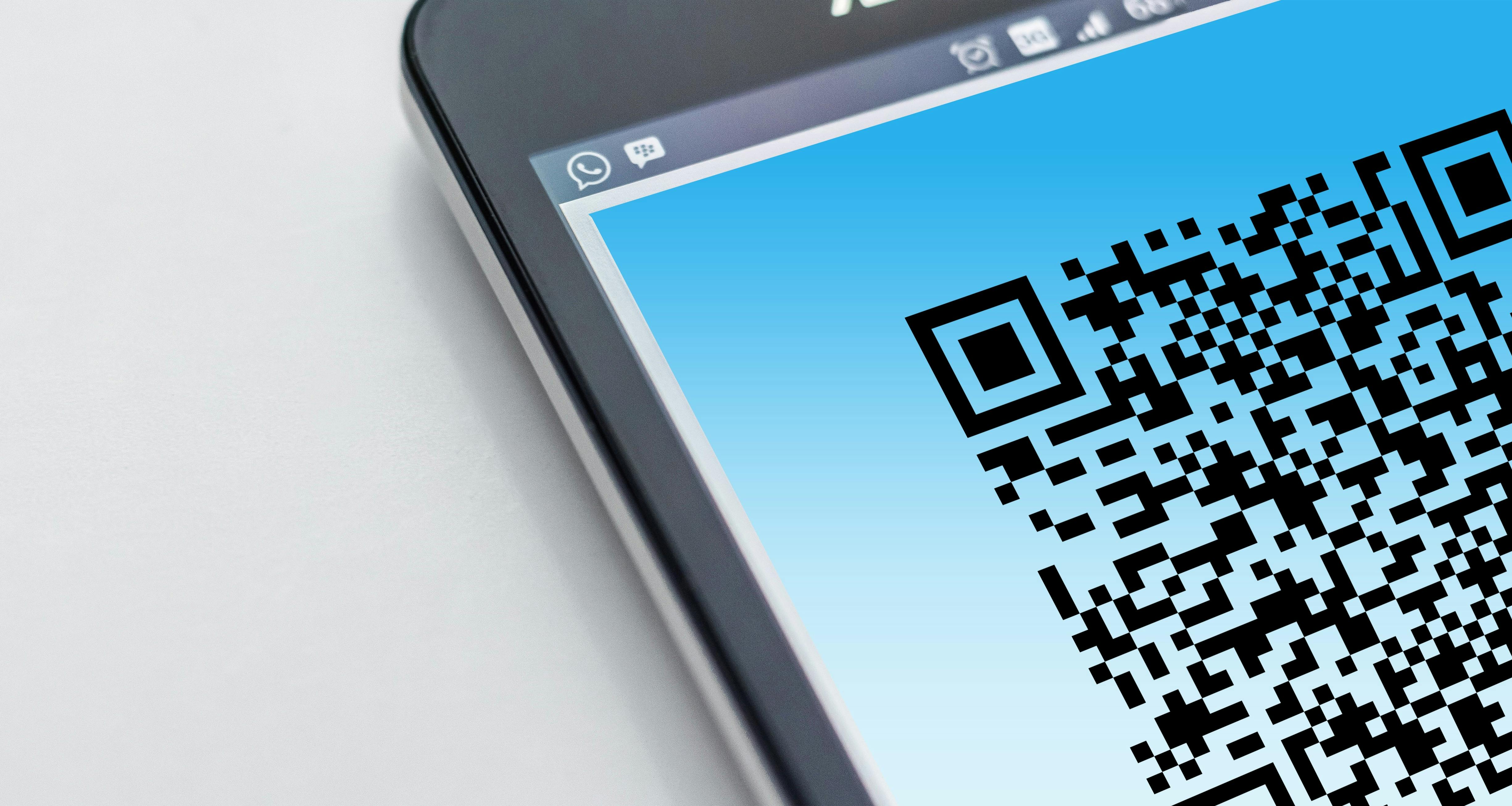
6. Delivers Custom QR Codes
Printed campaigns can also be used to link recipients to a relevant digital experience. NextPage points out QR codes as a variable element that can be customized on a print campaign.
A QR code could lead a recipient to a landing page or other digital location related to the campaign or offer. This permits different codes to be distributed to different recipients in the same printing run.
This connects physical and digital marketing. The QR code isn’t just a graphic on the mailer—it’s part of the personalization strategy.
A custom QR code can point to:
- A printed offer with an associated landing page
- A mailing specific to a campaign
- A recipient receiving personalized digital content
7. Adjusts Messages by Location
Location is another type of data that can influence personalized print. NextPage explains that its VDP services can tailor communications using information such as purchasing history, behavior, demographics, and location.
For example, a campaign serving multiple markets can feature information about nearby locations, regional offers, or local events. Location can also influence imagery or other content within the mailer.
This allows a broad campaign to feel more relevant to recipients in different areas. Instead of giving every audience the same information, marketers can use location data to make the content more specific.
Location-based details can include:
- Nearby store information
- Regional promotions
- Local event details
8. Connects Print with Campaign Data
The foundation of variable data printing is the connection between campaign data and the content being printed. NextPage's VDP process includes data integration, dynamic template setup, merge and proofing, printing, mail preparation, and quality assurance.
A data field can determine which message, image, offer, or QR code appears on a particular piece. Dynamic templates allow variable elements to be linked to specific data fields so the appropriate content appears for each recipient.
This connection between data and print also makes it possible to produce multiple versions within one campaign without creating a separate production process for every version. The result is a more efficient way to deliver individualized content at scale.
For NextPage, this means customer data can guide what appears on each printed piece while the campaign maintains a consistent overall structure.
Bringing it Together
Personalized print does not require a completely different campaign for every recipient. NextPage uses variable data printing to change specific elements of a shared campaign, including names, messages, offers, images, QR codes, and other data-driven content.
The value comes from connecting those variable elements with reliable customer data and a clear campaign objective. With personalization built into the production process, direct mail can remain relevant to individual recipients while staying manageable at scale.

.jpg)