A Practical Guide To Electrical Planning For Home Renovations

I recently watched a neighbour's kitchen renovation grind to a halt for three weeks. The wiring itself was fine, but the compliance paperwork was not.
That kind of delay is common in New Zealand renovations. Homeowners choose tiles, cabinets, and tapware early, then discover too late that their electrical scope was vague or their certificates were missing.
Most renovation electrical work in New Zealand is regulated by the Electricity (Safety) Regulations 2010. Installations must comply with AS/NZS 3000, known as the Wiring Rules, and some jobs also need independent inspection.
A good electrical plan sets the scope before quotes, checks licences before work starts, and tracks paperwork through to handover. Do that well, and inspection day becomes routine instead of stressful.
Get it right from day one, and your renovation is far more likely to stay on schedule, stay within budget, and pass sign-off the first time.
Key Takeaways
The essentials fit on one page, and they help you spot avoidable problems before work starts.
- Compliance is non-negotiable. Ask for a Certificate of Compliance, or CoC, for fixed wiring, an Electrical Safety Certificate, or ESC, when the work is energised, and a Record of Inspection, or RoI, for high-risk work such as mains alterations or photovoltaic systems.
- Vetting is simple. Check the electrical worker on the EWRB public register before you compare prices. An unregistered worker cannot legally certify the job.
- Quotes need the same brief. Give every bidder the same written scope so you can compare like with like instead of guessing what is included.
- Future loads matter now. Plan for EV charging, induction cooking, heat pumps, and solar while walls and ceilings are open.
- Variations need written approval. Agree on change-order rules, unit rates, and timeline updates before the first cable is installed.
- Records should be kept for years. Practitioners must retain CoC, ESC, and RoI records for at least seven years and provide them within ten working days if requested. You should keep copies too.
What Counts As Electrical Work In A Renovation
Most renovation electrical tasks are Prescribed Electrical Work, or PEW, and only licensed electrical workers can carry them out or certify them.
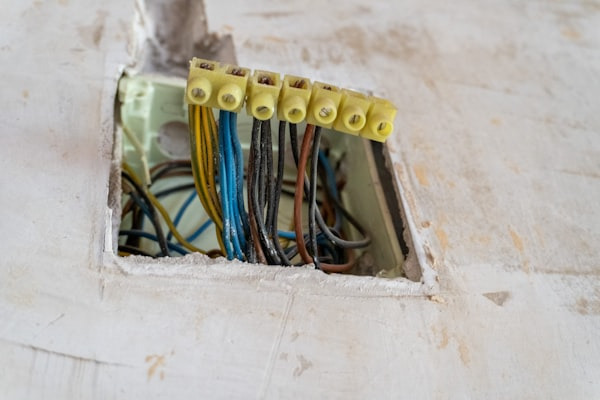
Common PEW includes new or altered circuits, switchboard upgrades, lighting rewires, kitchen and bathroom fit-offs, EV charger supplies, and solar tie-ins. Photovoltaic systems are specifically treated as high-risk work and need inspection.
When fixed wiring is complete, you should receive a CoC confirming the work meets the rules. When the work is energised, also called livened, you should receive an ESC confirming it is safe to use.
High-risk jobs also need a RoI, which is completed by an independent inspector and lodged in the Electricity and Gas High-Risk database. That database can be searched by address, which makes it a useful check after handover.
DIY electrical work is limited. WorkSafe allows only certain homeowner tasks under NZECP 51, and even permitted DIY work must still meet the safety requirements, so if there is any doubt, use a licensed worker.
Check legitimacy early. Use the EWRB register, ask for proof of insurance, request a sample CoC or ESC that shows the Electrical Authentication Mark under AS/NZS 4417, and ask how site safety will be managed.
3 Big Benefits Of Hiring The Right Electrical Contractor
The right electrical contractor does more than install cables and fittings, because they also protect your timeline, your budget, and your final sign-off.
Your electrical contractor touches rough-in, fit-off, testing, certification, and coordination with other trades. A poor choice creates hidden risk in every one of those stages.
1. Pass Inspections The First Time
A compliance-literate practitioner designs to AS/NZS 3000, books inspections at the right time, and knows which tests must be done before a circuit is energised.
Ask for an inspection plan on any high-risk work. It should state who inspects, when the inspection happens, and which test results will support the RoI.
2. Get A Safer, More Future-Ready Installation
Good design reduces risk today and prevents costly rework later. That includes clear earthing, correct circuit protection, water-resistant fittings in wet areas, and enough capacity for future appliances.
Ask about residual current devices, or RCDs, which cut power during a fault, and RCBOs, which combine fault and overload protection in one device. Also ask for a readable circuit schedule, because a well-labelled switchboard saves time every time something needs testing or repair.
3. Control Cost And Programme More Tightly
Clear scope and better documentation lead to fewer surprises. That matters when lead times, wall condition, and access issues can shift both price and timing.
Require a site walk-through before quoting, then keep a simple risk list for ceiling access, switchboard capacity, asbestos risk, and consent dependencies. That small step usually saves more time than it costs.
What To Specify So Your Quotes Are Accurate
The best way to reduce price swings is to issue every bidder the same detailed brief.

Start with a room-by-room schedule. List the number of power points, light switches, data points, appliance locations, and any dedicated circuits for ovens, induction hobs, dryers, heat pumps, or underfloor heating.
Add a lighting plan that covers fitting counts, beam type, dimming needs, and colour temperature. If you are unsure about lumens, think of them as a measure of light output, not style, and ask for examples by room.
Spell out switchboard and mains requirements too. Note the available capacity, whether you want RCBO protection throughout, whether surge protection is required, and whether the meter position or mains tail needs to change.
Include communications and future-ready items. That means router or ONT moves, conduit routes, EV charger location, expected charger size, and any solar readiness such as cable paths or inverter position.
List the compliance deliverables you expect in the quote. That should include the CoC, the ESC at livening, the RoI where required, Supplier Declarations of Conformity for key fittings, and an as-built circuit schedule.
Add site constraints that affect labour. Ceiling access, fragile finishes, asbestos concerns, working hours, parking limits, and waste handling all change pricing, so it is better to say them upfront.
Consumer Protection New Zealand recommends getting at least three quotes. That can feel slow at the start, but it is much faster than resolving disputed variations after walls are lined.
Use a comparison table with rows for each scope item and columns for quantity, unit rate, brand, exclusions, warranty, and included certificates. A simple table makes weak quotes obvious very quickly.
North Shore Auckland: Start With A Pre-Quote Site Visit
A pre-quote visit is the fastest way to turn a rough idea into a workable electrical scope.
North Shore homes span mid-century weatherboards, brick units, and early-2000s builds, and each type brings different issues. Switchboard capacity, ceiling access, and old circuit layouts can all affect whether a renovation stays simple or becomes a partial rewire.
That is why a site visit matters before numbers are discussed. North Shore homeowners planning EV charger installs, switchboard upgrades, or a larger kitchen rewire usually get clearer pricing when access limits, cable routes, and certification needs are checked in person before the quote is written. To move from guesswork to a compliance-ready scope, book an electrician for a pre-quote visit so the pricing, paperwork, and likely site constraints are understood early.
Where To Find, Vet, And Shortlist Electrical Contractors In New Zealand
The shortlist should be built on proof of competence, not on the lowest total at the bottom of a quote.
Start with the EWRB Electrical Worker Public Register. Check the worker's name, licence class, and expiry date, then confirm the same details on site when they arrive.
WorkSafe notes that licence card colours change every two years, which gives you a quick visual check. It is not a substitute for the register, but it helps you spot obvious problems early.
Ask each candidate for public liability insurance, two recent renovation references, and a redacted CoC or ESC from a comparable job. A contractor who does this work regularly should be able to provide those items without delay.
Use interview questions that test process, not sales skill. Ask what on your job needs inspection, how testing is sequenced before livening, and what will be included in the handover pack.
Red flags are usually easy to spot. Be cautious with cash-only quotes, vague allowances marked TBA, refusal to visit the site, or reluctance to explain certification.
Score each bidder against the same criteria, such as compliance knowledge, communication, documentation quality, programme realism, and price transparency. The best choice is usually the one with the fewest unanswered questions, not the lowest number.
Once the shortlist is chosen, the next gains come from disciplined follow-up on site. Small checks on timing, paperwork, and scope changes help the renovation stay aligned with the intent of the accepted quote.
How To Track Quality, Cost, And Compliance During The Build
The electrical package needs visible checkpoints, because good work is easier to verify before walls are closed.

Create a simple certification tracker with dates for rough-in completion, testing, CoC issue, ESC issue at livening, and RoI completion if the job is high risk. After inspection, confirm the RoI has been lodged in the national database.
Check the documents themselves, not just the promise that they are coming. Legitimate CoC and ESC forms should carry the Electrical Authentication Mark, and the details should match the address and scope.
For cost control, keep a live variation log. Record the reason for each change, the extra labour or materials, the added cost, and the schedule effect, then approve it in writing before the work proceeds.
Use short weekly walk-throughs. Fifteen minutes on site is enough to confirm outlet locations, switch heights, lighting positions, and clashes with cabinetry, plumbing, or framing before they become rework.
Quality checks during rough-in are worth the effort. Look for neat cable runs, protected penetrations, labelled circuits, and clear access around the switchboard so future service work is not obstructed.
At handover, collect the final CoC, ESC, RoI if required, Supplier Declarations of Conformity, test records, device manuals, and the as-built circuit schedule. Store digital copies in more than one place, because these records remain useful for years.
Hamilton And Waikato: Consider A Coordinated Design-Build Team
Complex renovations run more smoothly when one team controls design, trade sequencing, and final delivery.
That is especially true in Hamilton and the wider Waikato, where full-home and multi-room projects often involve overlapping work across building, plumbing, tiling, and electrical trades. When those decisions are split across several contractors, gaps in timing and responsibility are more likely.
Homeowners comparing delivery models may find it useful to decide early who will own design coordination, consent conversations, trade sequencing, budgeting updates, and final compliance records, especially when several rooms are being renovated at once and one missed handoff can delay every following trade. For coordinated design-build and electrical compliance in the Waikato, start with a home renovation Hamilton to keep planning and delivery under one accountable team.
Make Electrical Compliance Work For Your Renovation
Compliance works best when it is treated as part of the build plan, not as paperwork left for the end.
The right contractor reduces risk from the first site visit to final handover. Scope clearly, vet carefully, approve changes in writing, and keep every certificate together, and your project is far less likely to lose time to preventable mistakes.
FAQ
These are the questions that come up most often once plans, quotes, and site work start to overlap.
What Paperwork Should I Receive For Kitchen Or Bathroom Electrical Work?
You should receive a CoC for fixed wiring and an ESC when the work is energised. If the job includes high-risk prescribed work, such as a mains alteration or solar connection, you should also receive a RoI.
Can I DIY Any Electrical Tasks During My Renovation?
Only limited homeowner work is allowed under NZECP 51. If you are not fully confident about the rules, the safest choice is to use a licensed worker and avoid work that cannot be legally certified later.
How Many Quotes Should I Get?
Get at least three, and make sure each contractor prices the same written brief. Three weak quotes are not enough, so focus on completeness as well as price.
How Do I Verify An Electrical Worker's Licence?
Use the EWRB Electrical Worker Public Register to check the name, licence class, and expiry date. On site, ask to see the licence card and confirm it matches the person doing the work.
Do I Need Building Consent For Electrical Work?
Electrical certification and building consent are not the same thing. The electrical work must still meet the Electricity (Safety) Regulations, and other renovation elements may need consent separately, so check early with your designer or council.
What Is The Best Way To Prevent Budget Blowouts?
Lock the scope before pricing, insist on a site visit, compare quotes side by side, and approve every variation in writing. Most overruns start with unclear scope or late decisions, not with the final invoice alone.
What Belongs In The Electrical Contractor's Handover Pack?
The pack should include the CoC, ESC, RoI where required, Supplier Declarations of Conformity, test results, a final circuit schedule, and product manuals. Keep everything for at least seven years, because it will help with future renovations, warranty issues, and resale questions.

.jpg)