A Strategic Guide to Executive Travel and Business Networking in Tokyo
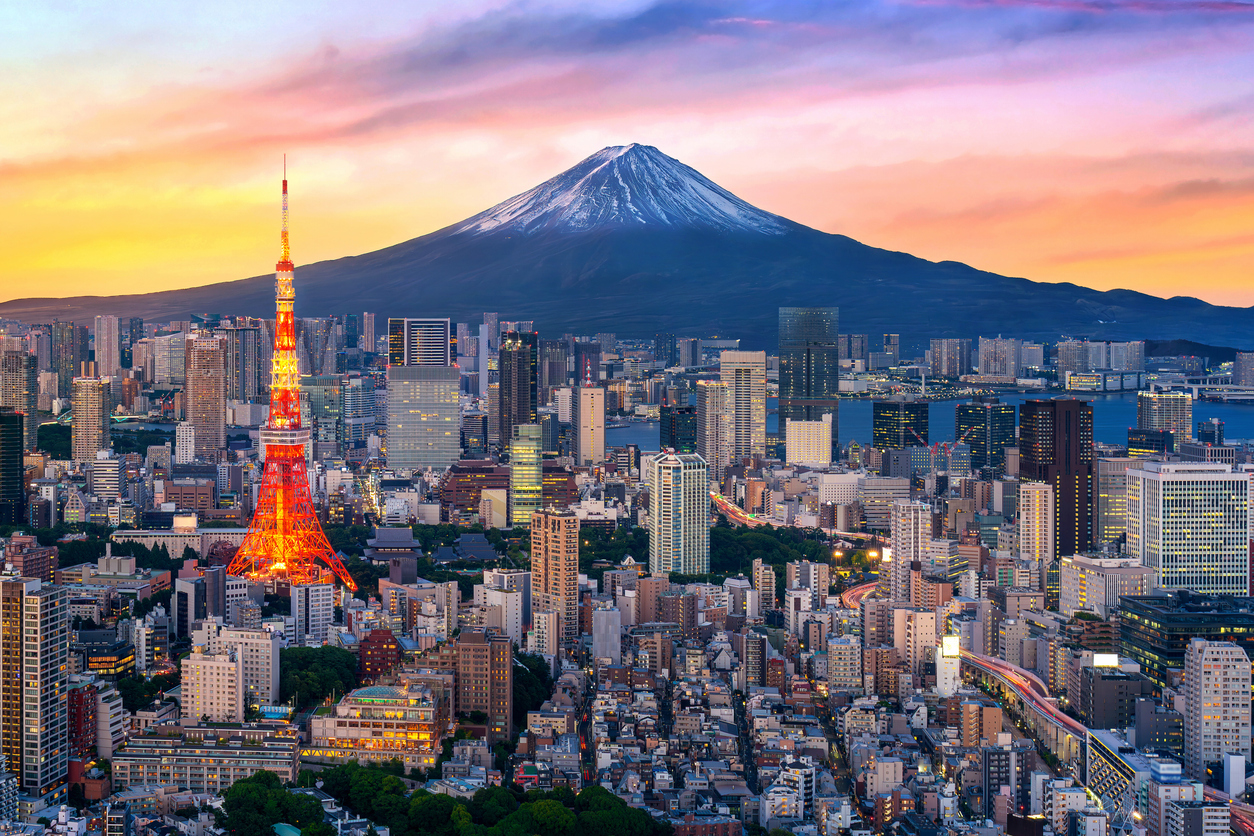
Japan's business travel market experienced a historic rebound recently, valuing approximately JPY 22.8 trillion in 2024 and helping drive a record 42.7 million overall international visitor arrivals in 2025. As inbound travel and corporate spending reach historic highs, Tokyo has steadily climbed the ranks, reaching the tenth spot globally in the latest Global Financial Centres Index.
For corporate leaders and entrepreneurs, expanding operations into this thriving market offers massive potential. However, succeeding in Japan requires more than just a solid pitch. It demands a deep understanding of local logistics, cultural etiquette, and relationship-building strategies.
Selecting the Right Venue for Corporate Networking
When planning these critical out-of-office meetings, location and atmosphere are everything. Nearly a quarter of all listed companies in Japan are headquartered in either Minato Ward or Chiyoda Ward. Minato Ward alone hosts over 80 foreign embassies and serves as the Japanese base for global innovators like Apple, Goldman Sachs, and Sony. Because of this intense corporate density, it remains the undisputed center of gravity for international deal-making.
Recent cultural surveys reveal that 58 percent of Japanese professionals typically spend 30 minutes or less on an average work lunch. Visiting executives must therefore choose highly efficient, centrally located venues that minimize transit time for their guests. Securing a Minato ward business lunch provides the necessary relaxed yet sophisticated atmosphere to respectfully get to know local partners without disrupting their busy schedules. A premium culinary setting shows respect for your guests while keeping the focus entirely on forging strong commercial ties.
Mastering International Travel Logistics
Navigating a megacity like Tokyo requires meticulous planning, especially when managing tight executive schedules. Your base of operations plays a massive role in your overall productivity and comfort. Before locking in your itinerary, it is crucial to choose your business travel accommodation strategically, ensuring your hotel serves as both a restful retreat and an efficient base within striking distance of key networking hubs.
To maximize efficiency, executives often target central commercial districts. Massive infrastructure investments are currently transforming Tokyo's connectivity, specifically the highly anticipated Takanawa Gateway City redevelopment and the Takeshiba area smart-city data platforms. Furthermore, Shinagawa Station is being positioned as the future terminal for the Linear Chuo Shinkansen. This revolutionary Maglev train will drastically cut travel times across Japan's major business hubs, making centrally located accommodations even more valuable for visiting professionals.
The ROI of In-Person Deal-Making in Japan
In traditional Japanese corporate culture, the concept of omotenashi (hospitality) dictates that the most critical relationship-building happens outside the boardroom. Western-style extended small talk is generally avoided in formal corporate meetings. Instead, trust and mutual respect are cultivated through shared dining experiences and relaxed, in-person networking.
The financial impact of prioritizing these physical interactions cannot be overstated. Recent global research highlights the undeniable ROI of human connection, revealing that executives expect to close 37% more deals and drive 36% higher revenue through face-to-face meetings. Choosing to travel and meet partners directly demonstrates a level of commitment that virtual calls simply cannot replicate, particularly in a market that values long-term loyalty and partnership.
Key Etiquette Rules for Tokyo Business Meetings
Understanding the nuances of local networking can be the difference between a stalled negotiation and a successful, long-term partnership. Keep the following best practices in mind when hosting Japanese delegates:
- Focus on the collective team: Japanese corporate structures favor a modest, team-oriented approach. The most senior person in the room may not always lead the negotiation or do the most talking.
- Build equal rapport: Because corporate decisions are often made by consensus, it is critical to build equal rapport with the entire delegation during your meetings, rather than focusing solely on the highest-ranking executive.
- Respect strict timelines: Punctuality is paramount in Japan. Always account for traffic and transit times, ensuring your meetings start and conclude exactly as scheduled to respect your partner's time.
- Appreciate the local history: Finding accessible cultural touchpoints, like the historic Minato City Local History Museum, can provide excellent conversational icebreakers before diving into complex business matters.
Expanding your business into Tokyo is a highly rewarding endeavor that requires thoughtful preparation. By securing strategic accommodations, prioritizing in-person meetings, and choosing the right environments for networking, you can navigate Japan's corporate landscape with confidence. Investing time in these foundational elements ensures that every trip to Tokyo yields measurable, long-lasting business growth.

.jpg)