Beyond London: The UK Cities Where Start-Ups Are Thriving
Start-up founders in the UK no longer treat London as the only city worth building in. Rents, hiring costs and competition for office space in the capital have pushed many of them to look elsewhere, and several regional cities have spent the last few years building the kind of infrastructure and investor interest that used to exist almost nowhere else. The cities getting the most attention right now each bring something different, from engineering talent to specific research strengths, and the right fit depends on what a business needs rather than which postcode sounds most impressive.
Manchester
Manchester has pulled ahead of most regional cities on sheer scale, helped by a deep pool of engineering and software talent from the University of Manchester and Manchester Metropolitan University. High-growth businesses based in the city contributed £30 billion to the local economy in 2022, a figure that reflects how many companies are now based there and how much larger many have grown over the last decade. MediaCityUK and the Oxford Road corridor are the areas most founders mention first, largely because rents sit well below equivalent space in London.
Cambridge
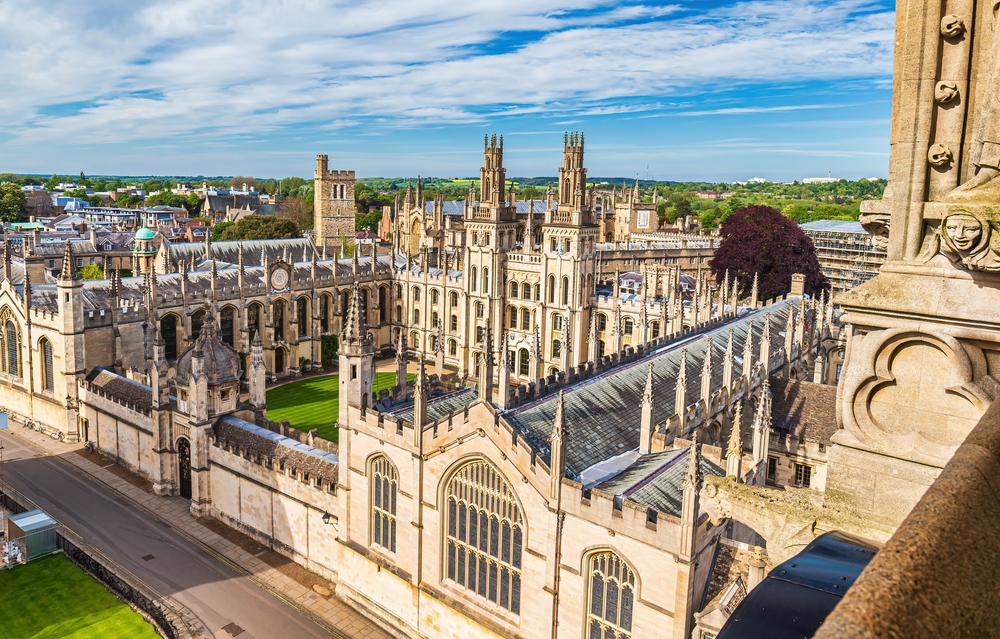
Cambridge punches well above its size for a city with a population under 150,000, largely because so much of its economy sits within walking distance of the university itself. Investment in the city passed half a billion pounds last year, and many of the offices to rent Cambridge founders favour sit on or near the Science Park, alongside University of Cambridge spinouts and other tech companies working in related fields. That closeness matters more here than in most cities, since a chance kitchen conversation can turn into a hire or an investor introduction that would otherwise take months by email.
Bristol
Bristol's tech and deep tech cluster has picked up a new name in recent years, Silicon Gorge, a corridor stretching across Bristol, Gloucester and Swindon rather than one postcode. Investment in the area rose by around 10 per cent last year to £167 million. Robotics and autonomous vehicles remain its strongest specialism, built on research groups active for decades rather than anything new.
A few things set Bristol apart from other regional hubs:
- A long-running robotics and autonomous systems research base
- Joint university facilities giving younger firms access to shared equipment
- A growing chip design and semiconductor scene
- Office costs well below its coastal and London rivals
Edinburgh
Edinburgh's tech economy has grown around its two universities and a financial services sector already large before any of this started, giving founders an unusually deep bench of technical and commercial hires. More than 450 high-growth tech companies now call the city home, and Scottish Enterprise has taken an active role in helping research get commercialised, backing close to 200 deals between 2020 and 2024. Skyscanner, FanDuel and a well-known games studio trace back to the same ecosystem, and newer firms benefit from the reputation those companies built.
Leeds and the rest of the map
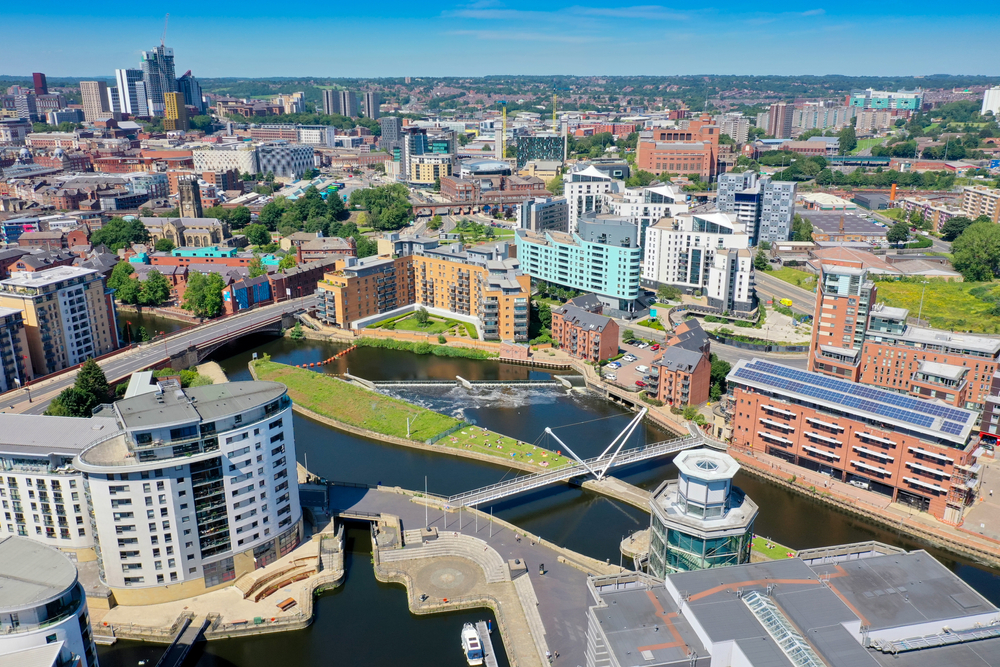
Leeds tells a different story to the other cities here, since it doesn't rely on one standout sector the way Cambridge relies on life sciences or Bristol relies on robotics. Cambridge placed second nationally behind Manchester in a KLOC study ranking start-up hubs outside London, with Edinburgh third, Guildford fourth and Oxford fifth, but Leeds' broader industrial base means each pound spent locally ripples further through the region than in a narrower cluster. Altrincham, just outside Manchester, also placed inside the top ten, a reminder that plenty of UK start-up activity now happens in satellite towns rather than city centres.
None of these cities are trying to become London, and that's largely the point. Each has built something distinct enough that a founder can choose based on what the business actually needs.