Beyond the Capital: How Regional Meeting Spaces Are Supporting Smarter Decision-Making
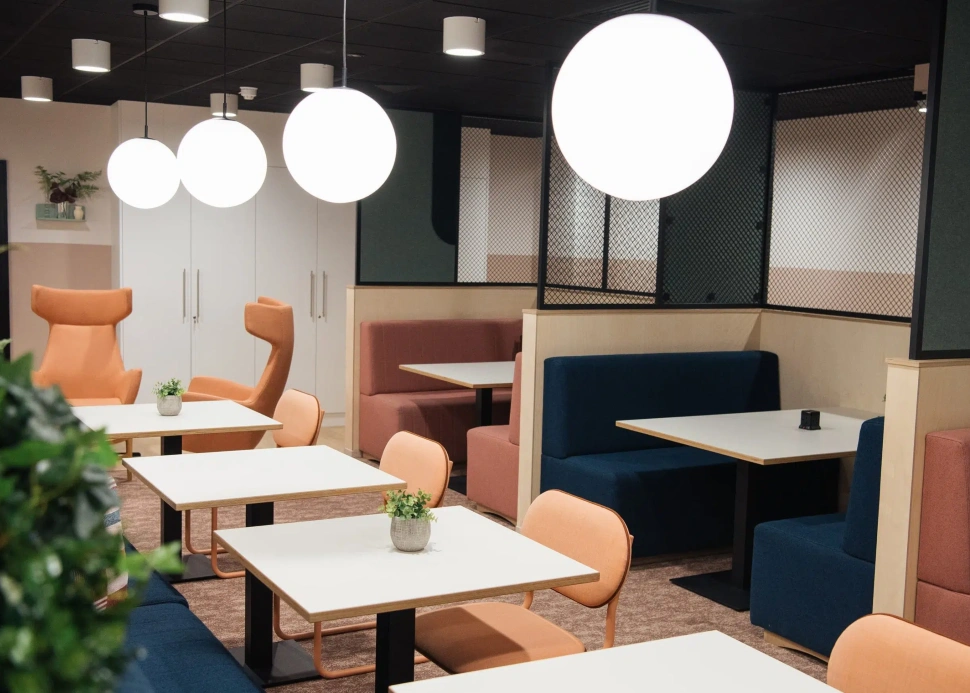
For decades, London has been seen as the natural centre for business meetings, strategy sessions and high-level decision-making. However, that long-standing assumption is beginning to shift. Organisations across the UK are increasingly recognising the value of regional locations, where accessibility, cost efficiency and quality environments combine to support better outcomes. In particular, meeting rooms in North England are gaining attention as practical, professional alternatives to capital-centric venues.
This change is not about moving away from London altogether, but about making smarter choices. Businesses are rethinking where meetings take place and how environments influence focus, collaboration and productivity. With modern facilities, strong transport links and a growing professional infrastructure, regional meeting spaces are proving their worth in today’s evolving business landscape.
Why Businesses Are Looking Beyond London
Rising costs, time pressures and sustainability concerns are prompting organisations to reconsider traditional meeting habits. Hosting meetings in London often involves high travel expenses, long journeys and limited flexibility, particularly for teams based elsewhere in the UK. By contrast, meeting rooms in North England offer a more balanced approach, allowing businesses to bring people together efficiently without unnecessary disruption.
The North of England, in particular, has invested heavily in modern business infrastructure. Cities and towns across the region now offer purpose-built meeting rooms equipped with high-quality technology, comfortable layouts and professional support services. These spaces are designed to accommodate everything from board meetings and client presentations to workshops and strategy sessions. Accessibility also plays a key role. Many northern locations are well connected by rail and road, making them practical meeting points for teams travelling from different parts of the country. Shorter travel times reduce fatigue and help participants arrive focused and ready to engage, which can have a noticeable impact on the quality of discussions and decisions made.
The Environment’s Role in Better Decision-Making
Where a meeting takes place can significantly influence how it unfolds. A well-designed meeting room encourages clear thinking, open discussion and productive collaboration. Regional facilities prioritise comfort, lighting, acoustics and layout, recognising that these factors shape how people communicate and contribute.
By choosing meeting rooms in North England, organisations can benefit from calmer, less pressured environments than busy city-centre locations. This is particularly valuable for strategic discussions or sensitive conversations, where clarity and focus are essential. Without the distractions and time pressures associated with major metropolitan centres, participants are better able to engage fully with the task at hand.
Technology is another important consideration. Modern regional meeting rooms are typically equipped with reliable video conferencing tools, presentation systems and high-speed connectivity. This allows businesses to include remote participants seamlessly, supporting hybrid working models while maintaining the benefits of face-to-face interaction.
From a leadership perspective, choosing the right meeting environment also sends a message. It demonstrates thoughtful planning, respect for attendees’ time and a commitment to effective collaboration. These subtle signals can strengthen relationships with clients, partners and internal teams alike.
Supporting Smarter, More Sustainable Business Practices
Beyond immediate practical benefits, the move towards regional meeting spaces aligns with broader business priorities. Sustainability, employee wellbeing and cost management are increasingly central to decision-making, and meeting location plays a role in all three.
Reducing long-distance travel helps lower carbon emissions and supports environmental goals. Holding meetings closer to where teams are based also contributes to better work-life balance, reducing the strain of early starts, late returns and overnight stays. Employees who feel their time and wellbeing are valued are more likely to remain engaged and productive.
Financially, regional meeting rooms often offer better value without compromising on quality. Savings on venue hire, travel and accommodation can be redirected into other areas of the business, such as training, innovation or staff development. Over time, these efficiencies contribute to more resilient and sustainable operations.
Perhaps most importantly, regional meeting spaces encourage a more inclusive approach to collaboration. By moving away from a single central location, businesses create opportunities for wider participation and shared ownership of decisions. This can lead to richer discussions, more diverse perspectives and ultimately better outcomes.
As businesses continue to adapt to new ways of working, the importance of choosing the right meeting environment is becoming clearer. Moving beyond the capital is not a compromise, but a strategic decision that supports smarter, more effective decision-making. With modern facilities, strong connectivity and a focus on quality, meeting rooms in North England are playing an increasingly important role in how organisations collaborate and plan for the future.
By embracing regional meeting spaces, businesses can reduce costs, support wellbeing and create environments that encourage clarity and confidence. In doing so, they are not only changing where meetings take place, but improving how decisions are made.