Business Continuity Planning: Critical Risks SMEs Commonly Overlook

Every business faces unexpected challenges. Power outages, cyber attacks, hardware failures, staff shortages, and data loss can happen when least expected. Large organisations usually have dedicated teams and backup systems to handle these situations. Small and medium-sized enterprises, however, often assume serious disruptions “won’t happen to us”. Well… that mindset can become risky pretty quickly.
That is why many organisations invest in reliable IT support services for small business in London to strengthen business continuity planning and reduce operational risks. A strong continuity plan helps businesses continue operating even when problems appear unexpectedly.
Experienced providers like Sereno IT Support help SMEs identify vulnerabilities, improve resilience, and create practical recovery strategies. In this article, we explore the critical business continuity risks many SMEs overlook – and why proactive planning matters more than ever.
What Is Business Continuity Planning?
Business continuity planning refers to the process of preparing for unexpected disruptions that could affect operations.
The goal is simple:
- Keep the business running
- Protect important data
- Minimise downtime
- Recover quickly after incidents
A continuity plan outlines how the business will respond during emergencies and how systems, employees, and operations will continue functioning.


7
Images are original and created specifically for this article.
Why SMEs Often Overlook Business Continuity Risks
Small businesses usually focus on immediate priorities such as sales, customer service, and growth. Continuity planning may feel less urgent – until something goes wrong.
Common reasons SMEs delay planning
- Limited budgets
- Lack of technical expertise
- Assuming disruptions are unlikely
- Relying on outdated systems
Unfortunately, even a short disruption can have a major impact on smaller businesses.
Weak Data Backup Strategies
One of the most common overlooked risks is poor data backup management.
Common mistakes
- Backups performed manually
- Infrequent backups
- Storing backups on the same device as original data
If systems fail or ransomware attacks occur, businesses may lose critical information permanently.
Why it matters
Customer records, financial information, and operational documents are essential for daily business activities.
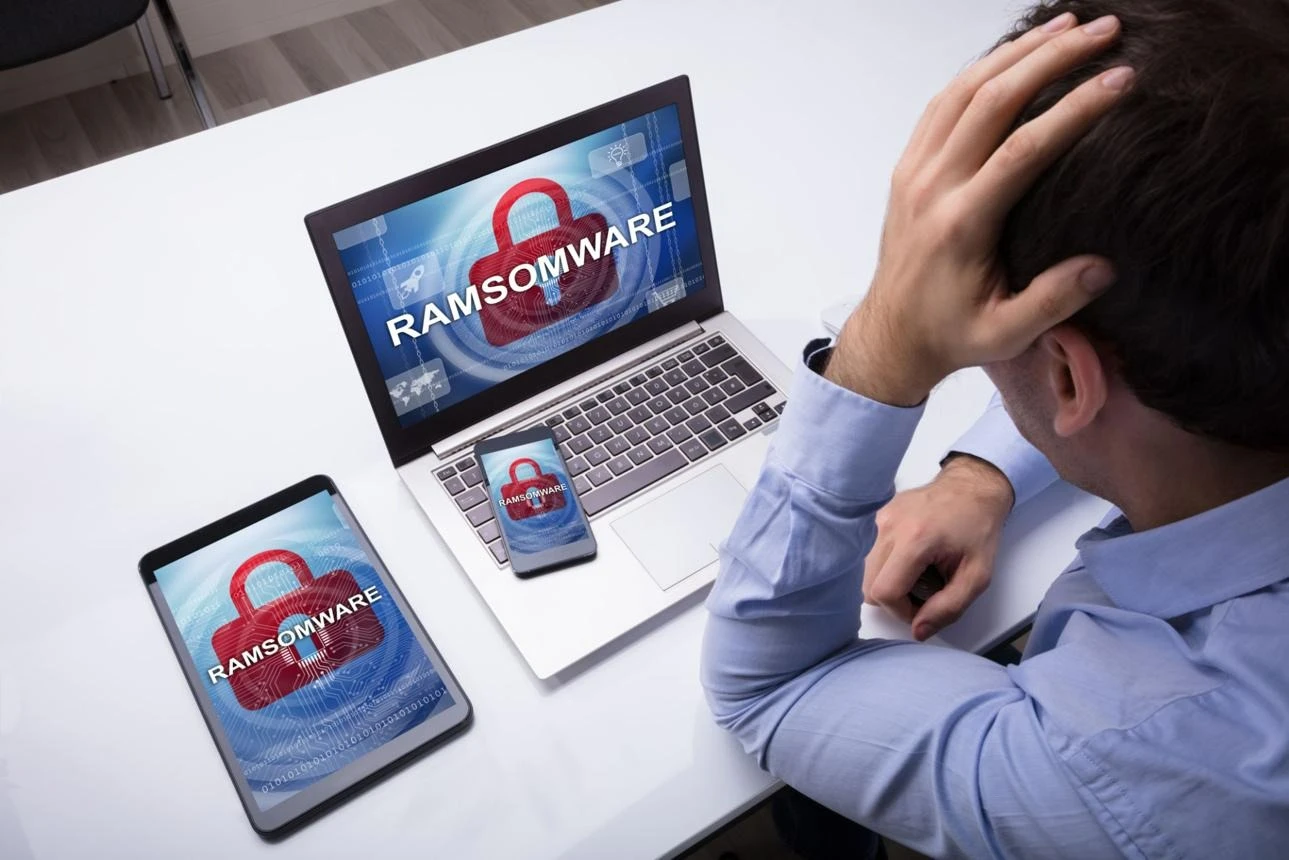
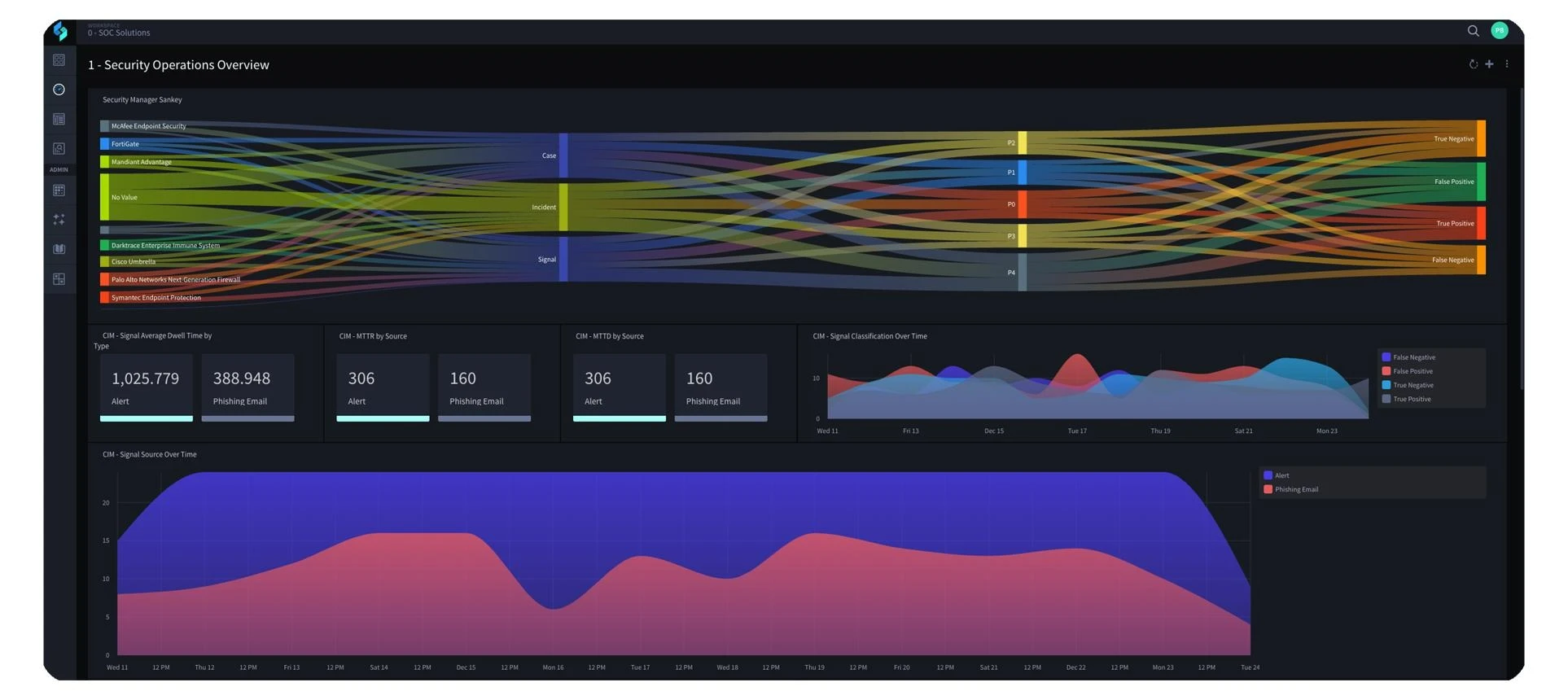
Cybersecurity Threats and Ransomware
Cyber attacks are no longer limited to large corporations. SMEs are increasingly targeted because attackers often assume security measures are weaker.
Common threats
- Phishing emails
- Malware infections
- Ransomware attacks
- Unsecured remote access
Without proper protection, cyber incidents can stop operations completely.

5
Images are original and created specifically for this article.
Dependence on a Single Employee
Many SMEs rely heavily on one employee who handles all IT-related tasks. While this may seem efficient, it creates a significant risk.
What happens if that person is unavailable?
- Systems may go unmanaged
- Passwords or access details may be difficult to recover
- Technical issues may remain unresolved
Business continuity should never depend entirely on one individual.
Lack of Remote Work Preparedness
Remote and hybrid working environments are now common, but many SMEs still lack proper preparation.
Common problems
- Weak VPN security
- Poor remote access systems
- Inadequate communication tools
Without secure and reliable remote systems, operations may struggle during disruptions that prevent office access.
Outdated Hardware and Software
Outdated technology can quietly create serious continuity risks.
Problems caused by old systems
- Increased downtime
- Compatibility issues
- Security vulnerabilities
- Reduced performance
Many SMEs delay upgrades to save money, but ageing systems often become more expensive over time.
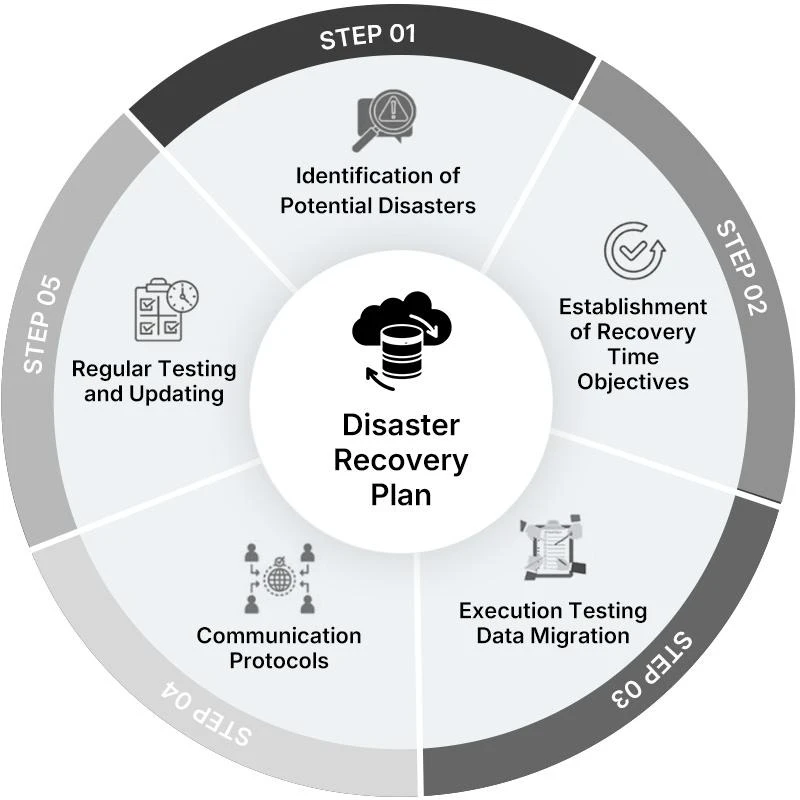
No Clear Disaster Recovery Plan
Some businesses assume they can “figure things out” during an emergency. Unfortunately, confusion during a crisis often makes recovery slower and more costly.
Missing recovery elements
- No recovery procedures
- No emergency contacts
- No communication strategy
A proper disaster recovery plan ensures everyone knows what to do when problems occur.


6
Images are original and created specifically for this article.
Poor Communication During Emergencies
Communication problems can make disruptions worse.
Common communication issues
- Employees unsure what to do
- Customers receiving delayed updates
- Confusion between departments
A continuity plan should include clear communication processes for both staff and clients.
Vendor and Supplier Dependence
Many SMEs rely on third-party providers for cloud services, software, or internet connectivity.
Overlooked risks
- Vendor outages
- Delayed technical support
- Single supplier dependency
If a provider experiences issues, your operations may also be affected.
Insufficient Testing of Recovery Plans
Having a plan is important – but testing it is equally essential.
Common issue
Businesses create continuity plans but never practise them.
Why testing matters
- Identifies weaknesses
- Improves employee readiness
- Ensures systems recover properly
Regular testing helps businesses prepare for real-world disruptions.
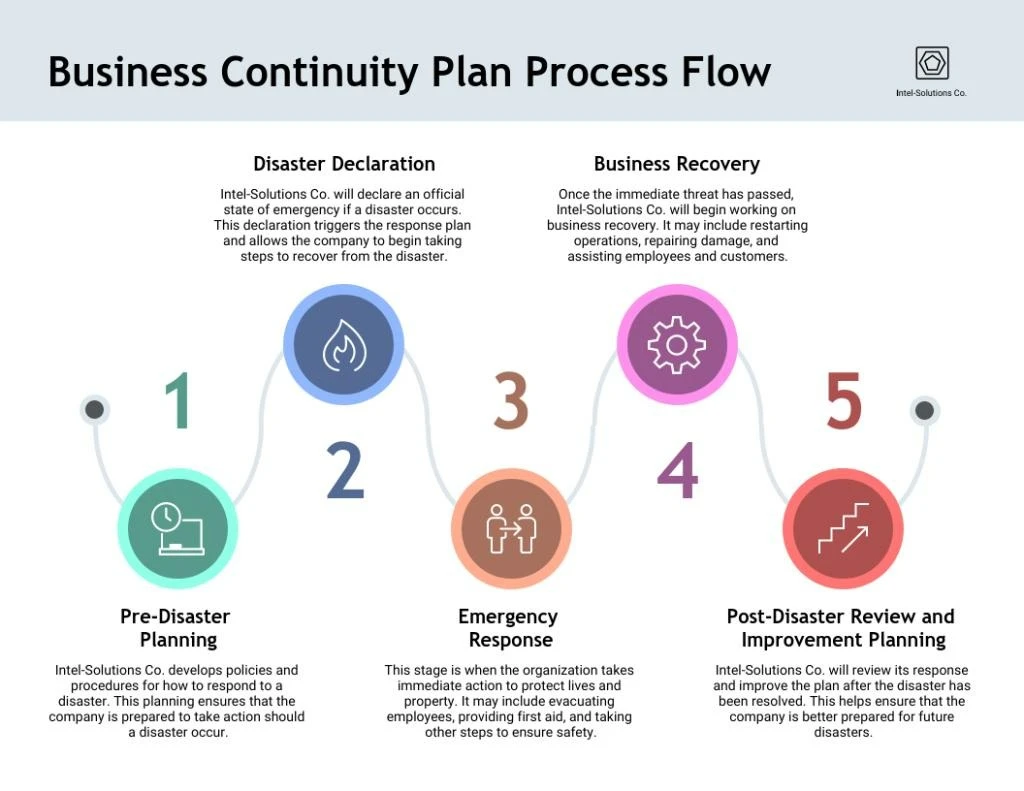
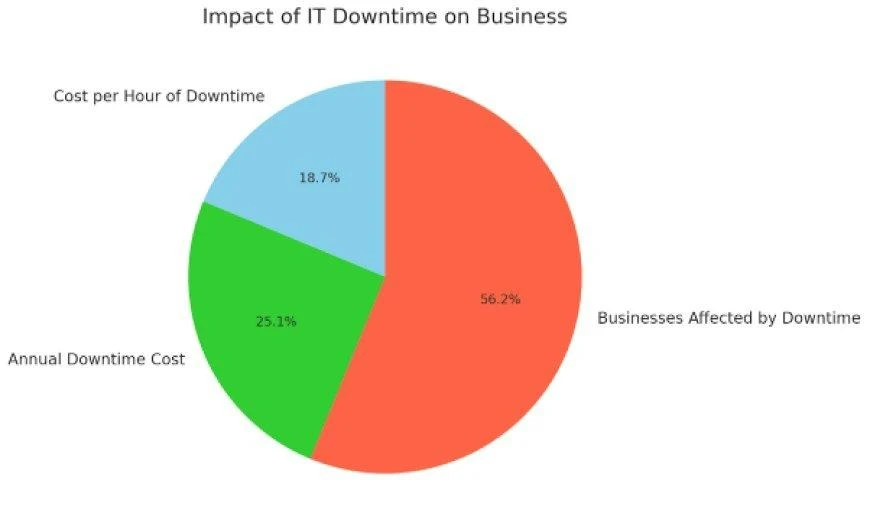
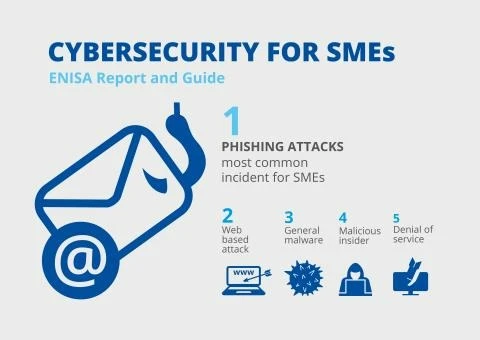
Visualising Business Continuity Risks
6
Images are original and created specifically for this article.
These visuals highlight how unprepared businesses can face financial losses, downtime, and operational disruption.
Common Continuity Risks SMEs Face
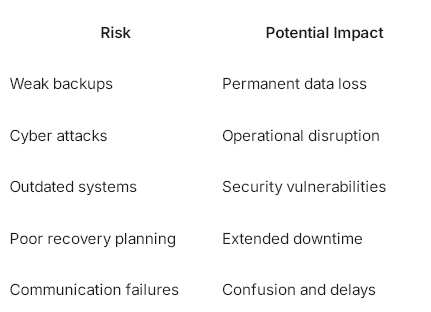
Table created originally for this article.
How IT Support Strengthens Business Continuity
Professional IT support helps SMEs build stronger continuity strategies.
Key support areas
- Automated backups
- Cybersecurity protection
- Remote monitoring
- Disaster recovery planning
- Infrastructure management
Instead of reacting to problems, businesses can prevent many issues before they occur.
The Importance of Proactive Planning
Business continuity planning is not about expecting disasters every day. It is about being prepared if they happen.
Benefits of proactive preparation
- Faster recovery times
- Reduced financial losses
- Improved customer trust
- Greater operational stability
Prepared businesses recover more quickly and experience less disruption.
Frequently Asked Questions
Why is business continuity important for SMEs?
Because smaller businesses are often more vulnerable to downtime and data loss.
How often should continuity plans be reviewed?
At least annually, or whenever major business changes occur.
Can small businesses afford continuity planning?
Yes. Many continuity measures are affordable and prevent larger future costs.
Is cybersecurity part of business continuity?
Absolutely. Cybersecurity plays a major role in protecting operations and data.
Conclusion
Business continuity planning is essential for SMEs that want to remain resilient in an unpredictable world. From cyber threats and data loss to outdated systems and communication failures, many risks can quietly grow in the background until they cause serious disruption.
The good news? Most of these challenges can be managed with proper preparation and professional IT support. By identifying vulnerabilities early and building practical recovery strategies, businesses can reduce downtime, protect critical information, and continue operating even during unexpected events.
In the end, business continuity is not just about responding to emergencies – it is about creating stability, confidence, and long-term resilience for the future.