Can a Mix ’n Match lanyard become part of your brand's visual DNA?
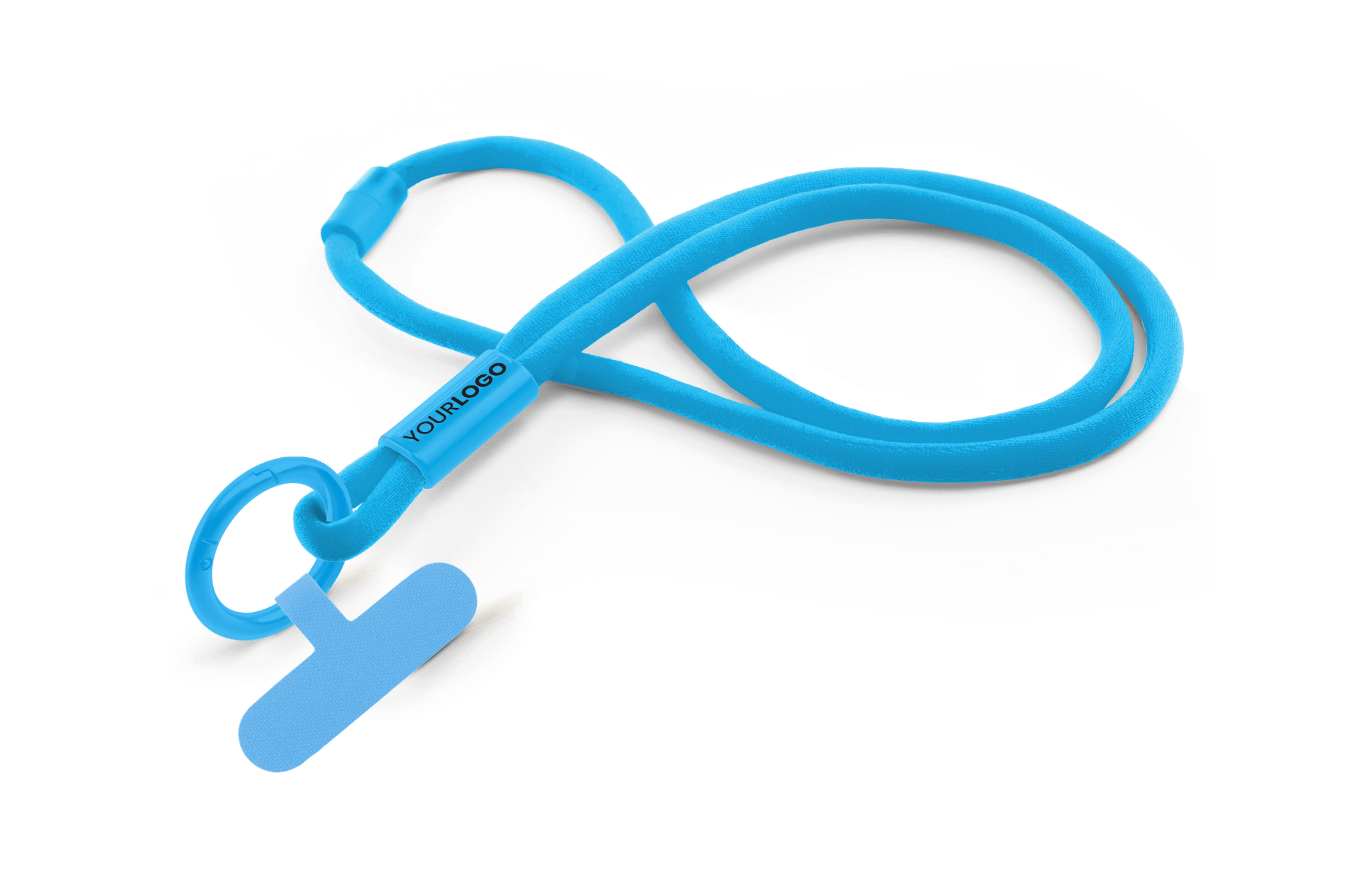
Most brands treat the lanyard as an afterthought. It gets ordered in a hurry before a conference, printed in whatever colour the supplier has in stock, and handed out with little thought. Yet this simple loop of cord gets more face time than almost any other branded item. It sits at chest height, in the middle of every conversation and in every event photo. So can something this ordinary become part of a brand’s visual DNA? It can, if you design it on purpose.
What visual DNA actually means
A brand’s visual DNA is the set of recognisable cues that make it identifiable before anyone reads the name. Think of Tiffany’s robin’s-egg blue, the yellow of a Post-it or the red sole of a Louboutin. These cues work because they repeat across every touchpoint until people link them to the brand without thinking.
The important word is every. Brands spend heavily on websites, packaging and signage, then let smaller touchpoints drift. A lanyard in the wrong shade of blue, or one with a generic black clip, quietly weakens a palette that took years to build.
Why modular lanyards change the equation
Traditional lanyards limit your choices. You pick a strap colour, add a logo, and the clip and fittings come in whatever the factory supplies. Mix ‘n Match lanyards work differently, because every component becomes a design decision.
TedGifted’s Mix’n’Match range is a good example. Buyers choose the base cord, a split ring or carabiner clip, and an optional phone patch/holder. Accessories come in up to 20 colours, and the base section can carry your logo. The page claims up to 160,000 possible configurations, and a breakaway safety connector is standard.
That level of control is what turns a lanyard from merchandise into brand language. Your primary colour can go on the cord and your accent colour on the clip, so the whole object reads as yours from across a room.
Colour, contrast and recognition
Colour carries most of the weight in brand recognition, and it’s where lanyards most often go wrong. A modular approach lets you match a palette deliberately instead of settling for the nearest stock colour.
It also lets you build a system rather than a single product. Picture a conference where staff wear cords in the brand’s primary colour, speakers get the same cord with a contrasting clip, and VIP guests get a third combination. Everyone is visibly part of one brand family, and the colours sort people without a word. Event teams gain a practical tool and the brand gains consistency.
The lanyard as a photographic asset
Events now live on LinkedIn, Instagram and company blogs. Every panel photo, networking shot and booth selfie includes lanyards, often in the centre of the frame. A considered colour combination shows up again and again in content the brand never had to commission. Over months and years, that repetition builds familiarity in the same way a consistent social media grid does.
Function as part of the identity
Visual DNA isn’t only about colour. It also covers the values a brand signals through its choices. Here a modular lanyard has more to say than a standard one.
A tech company might add a phone holder, since its people are always on their devices. A brand focused on sustainability might choose a metal-free version with plastic clips, or might prefer to stress durability so lanyards get reused rather than thrown away after one event. A hospitality brand might pick a carabiner for staff who need keys to hand. Each choice says something about how the business thinks, and attendees notice.
Making it stick
To make a lanyard part of your visual DNA rather than a one-off design, treat it like any other brand asset.
- Write it into the guidelines. Record the approved cord and accessory combinations next to your logo rules and colour codes.
- Keep it consistent. Reorder the same specification every time so the look becomes familiar.
- Use variation on purpose. If you introduce different combinations, tie them to clear roles or tiers, not to whatever is cheapest.
- Order in sensible volumes. With a minimum order of 100 pieces, even smaller firms can build a lanyard system without a large outlay.
The verdict
A lanyard will never carry a brand by itself, and it shouldn’t try to. But brand recognition is built through accumulation, with dozens of small, consistent signals adding up to something people instantly recognise. A Mix ‘n Match lanyard, specified with the same care as a logo or a website, can easily become one of those signals. Brands such as https://tedgifted.com/mix-n-match-lanyards can offer real differentiation for your organisation.
The brands that understand this won’t just hand out lanyards. They’ll hand out a small, wearable piece of their identity that goes home with every guest.