Celtic's Global Supporter Clubs and Their Impact on Merchandise Demand
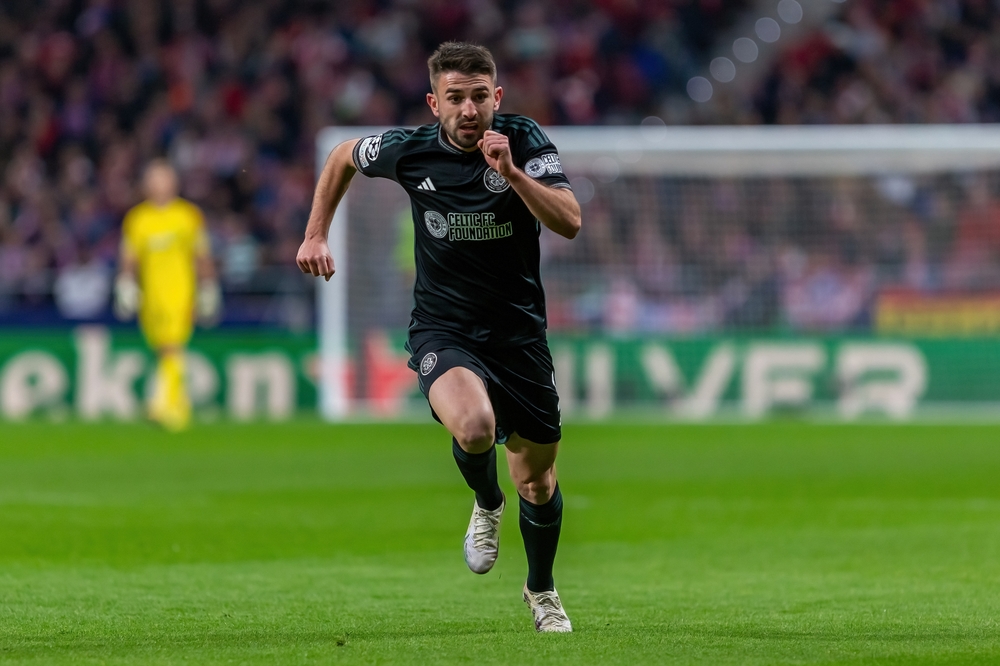
Celtic's global network of supporter clubs has a direct and lasting impact on merchandise demand. Organised groups in Ireland, North America, Australia, continental Europe and beyond buy shirts together for new kit launches, European nights, title celebrations and club gatherings, turning individual purchases into a steady, worldwide pattern. Because many of these clubs are rooted in family history and the Irish and Scottish diaspora, demand is less dependent on short-term results than it is for many other clubs, and classic designs such as the green-and-white Hoops sell year after year.
For the club, that means a supporter base that keeps the famous colours visible far beyond Glasgow. For fans, supporter clubs offer a sense of belonging that often starts with wearing the same shirt as everyone else in the room.
A Club Built on Community From the Start
Celtic was founded in 1887 in the East End of Glasgow, with a purpose that went beyond football. The club was established to raise money for poverty relief among the local Irish immigrant community, and that charitable origin remains central to its identity. Supporters often describe Celtic as more than a club, a phrase that reflects its connections to community, heritage and social causes.
Those roots help explain why the club's following spread so widely. As families emigrated from Scotland and Ireland over the twentieth century, many took their allegiance to Celtic with them, passing it down to children and grandchildren born thousands of miles from Glasgow. Supporting the club became a way to stay connected to home, family and culture.
The club's historic triumph in the 1967 European Cup, when the team known as the Lisbon Lions became the first British side to win the competition, further strengthened its global appeal. That victory is still celebrated by supporters around the world and remains one of the most important moments in the club's history.
How Supporter Clubs Spread Across the World
Celtic supporter clubs exist in dozens of countries. Ireland and Northern Ireland have large networks, while North America has a particularly well-organised community, with clubs in major cities across the United States and Canada coming together through a federation that hosts regular conventions. Australia, New Zealand, continental Europe, Scandinavia, the Middle East and parts of Asia also have active groups.
These clubs meet regularly to watch matches, often gathering in pubs or community venues for early-morning or late-night kick-offs depending on the time zone. Many organise trips to Glasgow to see games at Celtic Park, charity fundraisers, social events and youth activities. For members, the club becomes a local community built around a shared passion.
Charity is a strong theme. Reflecting Celtic's founding purpose, many supporter clubs raise money for local causes and for the club's own charitable foundation. That combination of football, social life and giving back keeps members involved long after a single season ends.
Why Organised Fans Drive Kit Sales
Supporter clubs create regular, predictable demand for merchandise. When a new kit is released, members often buy shirts at the same time so they can wear them together at the first match of the season or at special events. Some clubs arrange group orders, and many encourage members to wear the colours at gatherings, making the shirt part of the club's identity.
Big occasions produce further spikes. European matches, cup finals and title-winning seasons bring surges in demand as supporters around the world want to celebrate in the latest shirt. Many fans pick up this season's Hoops before important fixtures, and supporter club events such as anniversaries, conventions and charity dinners often feature members wearing matching kits.
Family traditions add to the demand. Parents buy shirts for children, grandparents buy them for grandchildren and members bring new supporters into their clubs, creating a steady flow of first-time buyers. Because many international supporters have deep family connections to the club, loyalty tends to stay strong even during periods when results aren't as good.
Retro Shirts, Anniversaries and Special Editions
Celtic's history gives supporters plenty of reasons to buy retro and special-edition shirts. Designs linked to the Lisbon Lions, classic Hoops from earlier decades and shirts from memorable title-winning seasons are popular among fans who want to celebrate the club's past. For supporters abroad, these shirts can be a way to connect with stories they've heard from parents and grandparents.
Anniversary kits and special editions attract collectors. Commemorative shirts marking significant dates, such as milestones connected to the club's founding or the European Cup triumph, often sell quickly because supporters see them as pieces of history rather than ordinary merchandise. Supporter clubs sometimes plan events around these releases, adding to their appeal.
Kit suppliers have also shaped demand over the years. Different manufacturers have produced Celtic's shirts at different times, and each era has its own distinctive details, from collar styles to sponsor logos. Collectors enjoy tracking these changes, and some supporter clubs even display historic shirts at their venues.
What Supporter Clubs Mean for the Club's Future
Global supporter clubs provide Celtic with a stable base of fans who remain engaged regardless of where they live. That loyalty supports not only merchandise sales but also season ticket interest, travel to matches, broadcasting audiences and charity fundraising. It also strengthens the club's international profile, helping attract commercial partners who value its worldwide reach.
The clubs also help the next generation connect. Young supporters who grow up attending match screenings, wearing the shirt and hearing the club's history from older members often become lifelong fans themselves. In that way, supporter clubs act as bridges between generations, keeping the traditions of the club alive far from Glasgow.
Digital tools have strengthened these networks. Social media groups, messaging apps and online streaming make it easier for supporter clubs to organise, share news and stay connected with the wider Celtic community, even in countries with only a handful of members.
If you support Celtic and live outside Scotland, look for a supporter club near you and join them for the next big match. Turning up in the Hoops, watching alongside fellow fans and sharing stories about the club's history is one of the best ways to experience what makes the Celtic community so special, wherever you are in the world.