Choosing Durable Materials for Building and Storage Projects
.jpg)
A facilities manager once had to replace an 18-month-old lobby wall because painted plasterboard could not handle trolley impacts and strong cleaning chemicals. The second job cost more than three times the first once after-hours labour, patching, and lost bookings were added.
That pattern shows up across Australian commercial sites every week. Budget materials fail early under UV, moisture, heavy foot traffic, and frequent washdowns. The real cost is not the purchase order. It is the shutdown, the safety risk, and the repeat labour.
Good specifications start with exposure, not style. Founders, operations leaders, and facilities managers need finishes and structures that meet National Construction Code requirements, hold up in daily use, and stay affordable over the full life of the asset.
The practical test is simple. Match each zone to its real risks, then compare materials on cleanability, repair load, compliance, and replacement cycle.
Key Takeaways
The strongest material choices reduce risk, labour, and replacement cost at the same time.
- Judge value over years, not at purchase. Total cost of ownership usually matters more than the lowest quote.
- Specify by zone. Lobbies, wet amenities, back-of-house rooms, and yards fail for different reasons.
- Check compliance early. Slip resistance, fire performance, and wind design should be gate checks, not late fixes.
- Use engineered shelter where speed matters. A relocatable covered bay can solve a real capacity problem without a full permanent build.
- Protect maintenance outcomes. The right cleaner, joint detail, and inspection schedule decide whether a material keeps performing.
What Durable Actually Means In Business Spaces
Durability is measurable performance over time, not a sales label.
For floors, the critical checks are abrasion resistance, water absorption, and slip resistance. Slip-resistance P-class is the rating used under AS 4586, often verified with the wet pendulum test. In entries, ramps, and amenities, that rating matters more than a glossy showroom finish.
For walls and ceilings, the National Construction Code focuses on fire hazard properties. Group Number is the fire-performance classification used for many commercial linings, and some applications also need smoke criteria. Outside, metalwork depends on corrosion protection, coating thickness, and joint details that shed water instead of trapping it.
Maintenance burden is part of durability too. Dense, low-porosity surfaces resist staining and harsh cleaners. Fewer joints mean less soil build-up and less time spent scrubbing. A finish that survives only with constant patching or resealing is not durable in business terms.
Repairability matters as well. If a damaged panel, tile, or sheet cannot be replaced without taking a large area out of service, the product carries hidden operational risk. Ask suppliers how patching works and whether matching stock will still be available in a few years.
The Four-Step Material Selection Playbook
A simple selection sequence prevents expensive backtracking.
Step 1: Map Zones And Traffic. Split the site into client-facing spaces, wet-service areas, back-of-house rooms, and exterior yards. Note wheeled loads, cleaning frequency, peak occupancy, and whether surfaces stay wet. A loading dock used by pallet jacks should never be judged by the same criteria as a quiet meeting room.
Step 2: Scan Exposure. Australia experiences some of the highest solar ultraviolet radiation levels in the world, so exterior materials need serious UV stability. Add moisture, impact, chemicals, and local wind conditions under AS/NZS 1170.2. Coastal sites need extra attention because salt speeds up corrosion, while plastics, sealants, and fabrics can fail early if UV resistance is weak.
Step 3: Set Compliance Gates. Nominate slip targets for each floor zone, often P4 or P5 in wet amenities, and verify them with AS 4586 test data. Check NCC Group Number and smoke requirements for wall and ceiling linings. For exterior shelters, do not move ahead without structural design that matches the local wind region and terrain category.
Step 4: Score Whole-Of-Life Cost. Compare install cost, cleaning labour, planned maintenance, repair risk, shutdown cost, and disposal. If you lease the site, model the material over the actual holding period, not an arbitrary ten-year window. The Australian Commonwealth Procurement Rules treat value for money as a whole-of-life question, and private buyers benefit from the same discipline.
Interior Surfaces That Survive Daily Abuse
High-use interiors need surfaces that clean fast and keep performing when conditions get messy.

For floors, the usual contenders are porcelain tile, polished concrete, resin systems, and resilient sheet. Porcelain gives low water absorption and strong stain resistance. Polished concrete can work well, but it depends on the right surface hardener, sealer, and texture to stay safe when wet. Resin floors resist chemicals, yet sun-exposed thresholds need UV-stable topcoats.
For walls in wet or high-contact zones, low-porosity systems with fewer joins usually win. Small modules can look neat on day one, but every extra joint is another place for grime, moisture, and cleaner residue to collect. Larger panels or sheets also reduce labour because staff spend less time detailing edges and grout lines.
Back-of-house food, healthcare, and wash areas also need chemical compatibility. Disinfectants, degreasers, and acidic cleaners can attack sealers, grout, and some resin topcoats. Ask for the approved cleaner list before you sign off the finish, not after complaints start.
Do not forget transitions. Doorways, skirtings, corners, and service penetrations fail before the main field of the surface. If those details are weak, even a premium material will look tired far sooner than expected.
Large Format Porcelain Panels
These porcelain panels work best where you need a hard surface with very few joints.
In client-facing zones such as lobbies, washrooms, and reception walls, the specification should focus on quick cleaning, low water absorption, reduced grout lines, stable edge detailing, and a surface that stays presentable under heavy traffic, trolley knocks, and frequent chemical washdowns across long service periods. Teams weighing finish and format options for large format porcelain panels can use that benchmark before they lock in substrate tolerances, joint layouts, and installation sequencing for a fit-out.

In lobbies, washrooms, and reception walls, joint density drives cleaning time. A wall finished in small tiles can leave hundreds of grout lines holding soil and moisture. A panel system cuts those joints sharply, which makes daily cleaning faster and gives a cleaner visual line in public areas.
Porcelain, defined under ISO 13006, has water absorption of 0.5 percent or less. Teams comparing commercial finishes should review supplier format and finish options before they lock in substrate tolerances, joint layouts, and edge details for a fit-out.
The usual objection is cost. The upfront figure is higher than painted board or small-format tile, but the surface can remove repaint cycles and cut grout maintenance for years. That matters most in spaces cleaned several times a day, where labour savings add up faster than buyers expect.
Large panels are not a cure-all. Floors still need the right surface texture, and exposed corners may need trims or guards. Installation quality is also critical. Flat substrates, correct movement joints, protected edges, and proper adhesive coverage decide whether the system performs as promised.
Exterior And Storage: Designing For Weather, UV, And Throughput
Outdoor durability is mostly a fight against UV, water, wind, and corrosion.
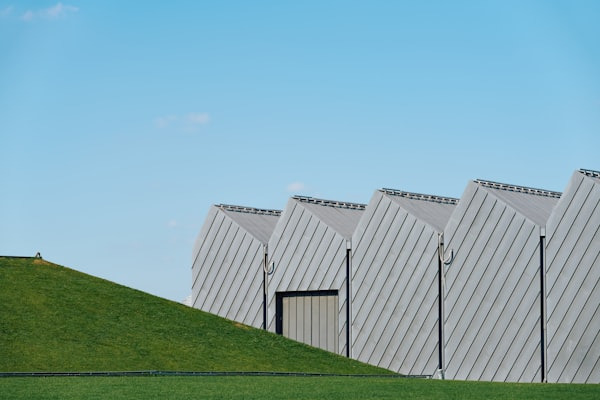
For most inland steelwork, hot-dip galvanizing to AS/NZS 4680 is the baseline. On steel thicker than 6 millimetres, the standard calls for a minimum average zinc coating of 85 micrometres. Closer to the coast, 316 stainless steel or another higher-resistance option may be the safer choice, especially where salt spray or stagnant moisture is expected.
Design detail matters as much as material choice. Crevice traps, flat ledges, and blocked drainage all shorten service life. Yard pavements also need texture and falls that keep traction when wet and stop water from being tracked into interior zones.
Not every exterior surface needs the same answer. Walkways, forklift areas, washdown bays, and laydown spaces all demand different textures, joint details, and repair plans. Plastics, sealants, and fabric membranes also need UV stability, because sun damage can appear long before the supporting frame shows any wear.
Shade is an operations issue, not just a comfort issue. Safe Work Australia recommends access to shade as an engineering control for heat risk, which makes covered exterior work areas easier to justify on safety grounds as well as productivity grounds.
Storage Container Covers
Container-mounted shelters create useful covered space quickly when a permanent shed is too slow or too expensive.
They turn the span between standard shipping containers into a protected bay for stock, plant, servicing, or shaded work. That makes sense on seasonal agriculture sites, remote projects, overflow logistics yards, and depots that need extra capacity for two or three years rather than twenty.
The structure still needs proper engineering. Wind region, terrain category, anchorage, drainage, and the condition of the containers all affect safety. AS/NZS 1170.2 sets the wind actions, and the shelter should come with design documentation, fixing details, and an inspection plan after major wind events.
If these systems seem too temporary, focus on function. A well-designed shelter can improve uptime, reduce heat exposure, protect equipment from rain and UV, and free indoor floor space for higher-value work. The business case is strongest when the site needs speed, relocation options, or a lower capital outlay than a permanent build would demand.
Containers themselves are not always plug-and-play. Check corner castings, level pads, door swing, and whether the units remain accessible for loading once the shelter is in place. A bay that looks efficient on a drawing can fail on site if vehicles cannot turn or goods cannot be staged safely.
Where a site needs a fast covered bay between ISO containers, but the team still has to think through drainage, truck access, worker movement, lighting, runoff, and how the setup may be relocated after a busy season without committing to a permanent shed or slowing loading operations during peak periods, buyers assessing storage container covers should also plan lighting, egress, guttering, and water capture from the start. Those details decide whether the bay becomes a reliable work area or just a roof over clutter.
The payoff is practical. Outdoor tasks move under cover, stock stays drier, and indoor floor space can be reserved for work that truly needs a permanent building.
Lifecycle Costing: Compare Options Like A CFO
Price matters, but total cost of ownership decides whether a material choice was smart.

Total cost of ownership, or TCO, is the sum of capital cost, installation, cleaning labour, consumables, planned maintenance, unplanned repairs, downtime, and removal at end of life. Cleaning and shutdown costs are the lines most teams miss, even though they can overtake the original material cost within a few years.
Take a reception wall over seven years. Painted plasterboard is cheap upfront but usually needs patching and repainting. Small-format tile lasts longer but adds cleaning time because of grout. A large format porcelain system costs more at handover, yet it can remove repaint cycles and lower maintenance hours enough to win on TCO.
The same logic applies outdoors. A low-cost shelter with weak fixings, poor fabric life, or bad drainage can create stock damage and repeat call-outs. Put your assumptions in writing, attach the maintenance plan to the purchase decision, and make sure finance can see the cost of downtime, not just the cost of supply.
Sustainability And Compliance Checkpoints
Durable materials support sustainability only when the evidence and maintenance plan are real.
Ask suppliers for Environmental Product Declarations or product carbon footprints recognised by Green Star. Do not call a product Green Star certified, because Green Star certifies projects, not individual products. In occupied spaces, low-VOC adhesives, coatings, and sealants should sit on the same review list as durability.
Compliance checks belong in the same pack. Confirm NCC Group Number and smoke requirements for wall and ceiling linings, then nominate AS 4586 slip targets by zone for floors. Keep test certificates, safety data sheets, maintenance instructions, and approved cleaner lists together so the site team can protect performance after handover.
That paperwork may feel secondary, but it prevents a common failure. The right material gets installed, the wrong cleaner gets used, and the surface loses traction, colour, or warranty far earlier than expected.
Common Questions
Short answers can prevent the most common specification mistakes.
What Is The Fastest Way To Shortlist Durable Finishes?
Map zones and exposures first, then eliminate anything that fails your slip, fire, or maintenance requirements. After that, compare the remaining options on seven to ten year total cost of ownership, not just purchase price.
How Do I Keep Floors Compliant After Handover?
Write the AS 4586 target into the contract, verify performance after installation, and train cleaners on approved products and pads. In wet zones, periodic retesting is worth the cost because wear and chemical residue can change traction.
Do I Need An Engineer For Site Shelters?
Yes. Temporary or permanent, a shelter still has to suit the local wind region, terrain category, and fixing method. Engineer certification and a clear inspection schedule are basic risk controls, not extras.
Are Large Format Porcelain Panels Only For Premium Projects?
No. They suit any site where low porosity, chemical resistance, and fewer joints can cut cleaning time and replacement cycles. In high-cleaning environments, that practical benefit matters more than the design statement.
What Changes On Coastal Sites?
Corrosion risk rises fast. Exposed metalwork may need 316 stainless steel or another higher-resistance choice, connection details should shed salt and water, and the maintenance plan should include more frequent washdowns and inspections.

.jpg)