Choosing Manufacturing Equipment Based on Your Business's Production Needs
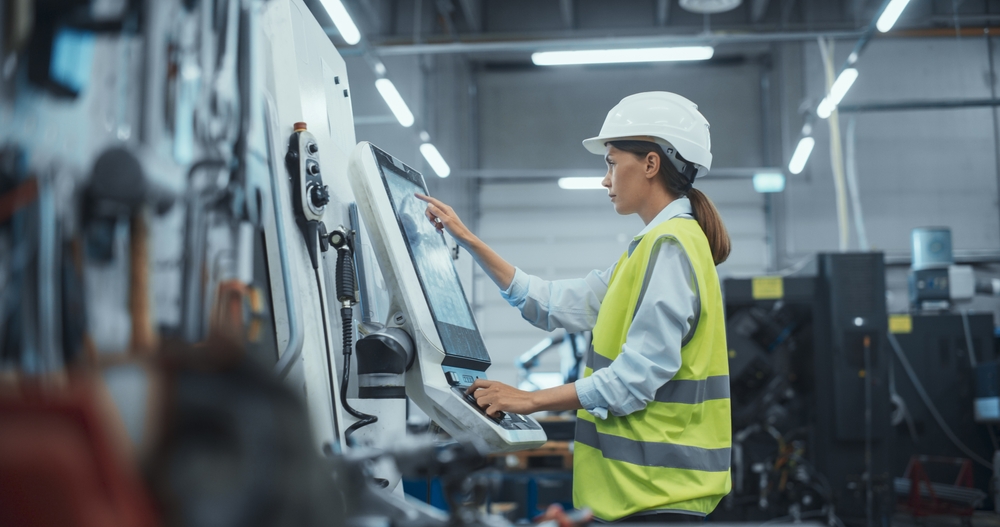
Selecting the right manufacturing equipment can make or break your production efficiency and bottom line. Whether you're starting a new operation or upgrading existing machinery, your equipment choices should align perfectly with what you're making, how much you're producing, and where you want your business to go.
Understanding Your Current and Future Production Volume
Production volume is the foundation of any equipment decision. If you're manufacturing 50 units per month, you don't need the same machinery as someone producing 5,000 units daily.
Start by analyzing your current orders and realistic growth projections for the next three to five years. A custom furniture maker might need versatile equipment that handles different designs in small batches, while a contract manufacturer producing standardized parts will prioritize speed and repeatability. A job shop running 10-20 different parts weekly needs different flexibility than a tier-2 automotive supplier running the same brake component 24/7.
Don't fall into the trap of buying capacity you won't use for years. Oversized equipment ties up capital and takes up valuable floor space. Conversely, purchasing machines that max out immediately leaves no room for growth or unexpected large orders.
Evaluating Material Compatibility
Your raw materials dictate significant aspects of your equipment requirements. Different materials demand different cutting speeds, tool types, and machine capabilities.
Metals like aluminum cut differently than steel or titanium. Each requires specific spindle speeds, coolant systems, and tooling options. Plastics introduce entirely different considerations, including heat sensitivity and chip removal needs.
Consider the range of materials you currently work with and those you might add in the future. Equipment that handles multiple material types provides flexibility, but specialized machines often deliver better results for dedicated applications. Know your priorities before making this tradeoff.
Matching Equipment to Product Complexity
Simple parts with basic geometries need different capabilities than complex components with tight tolerances and intricate features. A shaft that requires only turning operations has vastly different equipment needs than a multi-featured housing requiring milling, drilling, and tapping.
For straightforward turning operations on smaller production runs, industrial manual lathes from Summit Machine Tool offer precision and reliability without the complexity of CNC systems. Manual equipment also provides hands-on control that experienced machinists value for certain applications.
If your products require multiple operations, consider whether individual specialized machines or multi-axis machining centers make more sense. Combination machines reduce setup time and handling but cost more upfront and create single points of failure in your production line.
Balancing Automation Levels with Your Workflow
Automation isn't an all-or-nothing decision. The right level depends on your production patterns, labor availability, and quality requirements.
Fully automated systems excel at high-volume, repetitive production with minimal variation. They reduce labor costs and increase consistency but require significant capital investment and technical expertise to program and maintain.
There's a middle path with semi-automated equipment. Operators load materials and initiate cycles, while the machine executes programmed operations. This approach works well for medium production volumes and provides flexibility when product mix changes frequently. For instance, some systems use an air powered motor to run mixing or conveying tasks safely in volatile environments. This setup keeps operations simple and reliable without the need for complex electrical wiring.
Manual equipment remains relevant for prototyping, short runs, and applications where skilled operators add value through real-time adjustments. Don't dismiss manual options simply because automated alternatives exist.
Considering Floor Space and Facility Constraints
Even perfect equipment is useless if it doesn't fit your facility properly. Measure carefully and account for more than just the machine footprint.
Factor in clearance for material loading, tool changes, and maintenance access. Some machines require specific foundation preparations, electrical service upgrades, or enhanced HVAC systems. Coolant systems, chip conveyors, and auxiliary equipment also consume space.
Ceiling height matters for machines with vertical travel or overhead gantries. Door widths and pathways determine what you can actually get into your building. These practical constraints sometimes eliminate options that look perfect on paper.
Assessing Precision and Tolerance Requirements
Not every part needs aerospace-grade precision. Understanding your actual tolerance requirements prevents overspending on capability you don't need.
Review your engineering drawings and customer specifications. If most dimensions have tolerances of plus or minus 0.005 inches, you don't need a machine holding 0.0001 inches. Tighter tolerances require more expensive equipment, slower production speeds, and stricter environmental controls.
That said, don't skimp on precision when your products actually need it. Scrapped parts and rejected shipments cost far more than the difference between adequate and excellent equipment.
Weighing Initial Costs Against Long-Term Value
Purchase price is obvious, but total cost of ownership tells the real story. Cheaper equipment that constantly breaks down or produces scrap quickly becomes expensive.
Calculate expected maintenance costs, energy consumption, and tooling expenses. Some machines use proprietary tools or parts that lock you into expensive supplier relationships. Others accept standard tooling available from multiple vendors, reducing long-term costs and eliminating supply chain vulnerabilities.
Consider potential resale value too. Well-known brands from reputable manufacturers hold value better than obscure alternatives. This matters if you upgrade equipment as your business grows.
Planning for Operator Skill Levels
Equipment capabilities mean nothing if your team can't operate it effectively. Assess your current workforce skills and training resources honestly.
Advanced CNC machines require programming knowledge and troubleshooting abilities. If you lack these skills in-house, factor in training costs or additional labor expenses. Some manufacturers provide excellent training programs, while others offer minimal support.
User-friendly controls and intuitive interfaces reduce the learning curve. Visit other facilities using equipment you're considering and talk with actual operators about their experiences.
Building in Flexibility for Product Changes
Markets shift, and customer requirements evolve. Equipment that only produces one thing efficiently can become a liability when demand changes.
Quick-change tooling systems, adjustable fixtures, and modular setups allow faster changeovers between different parts. This flexibility costs more initially but pays dividends when you need to pivot production.
Consider how easily you can repurpose or retrofit equipment for different applications. Machines with standard interfaces and open architectures adapt more readily than proprietary closed systems.
Examining Maintenance and Support Requirements
Even the best equipment needs maintenance. Understanding these requirements before purchase prevents nasty surprises later.
Research parts availability and typical lead times. Equipment from manufacturers with strong dealer networks and local support gets back online faster after breakdowns. Imported machinery sometimes sits idle for weeks waiting for parts to clear customs.
Ask about preventive maintenance schedules and whether you can handle them in-house or need service contracts. Some machines require specialized tools or training for routine maintenance that increases your ongoing costs.
Making the Decision That Fits Your Business
Choosing manufacturing equipment requires balancing multiple factors specific to your operation. The perfect machine for another company might be completely wrong for yours.
Take time to thoroughly evaluate your actual production needs rather than buying based on specs that sound impressive. Talk with equipment users, attend demonstrations, and run test parts whenever possible. The most informed decisions come from hands-on experience, not just brochures and sales presentations.
Your manufacturing equipment represents a significant investment that will impact your operations for years. Choose thoughtfully, plan carefully, and prioritize capabilities that align with your real production requirements.