Choosing the Right Media Channels for Your Brand
Picking the right media channels for your brand can feel like trying to find your way through a maze. There are so many choices, from social media and search engines to old-school print and TV ads. It’s easy to get overwhelmed or spend your money in too many places. The real trick isn't being everywhere at once; it's showing up in the right spots at the right times to connect with the people who matter most to your business. This needs effective marketing tactics.
When you pick your media channels smartly, your marketing money works harder. Your message reaches the right people, and that brings real results for your brand.
Audience Analysis: Who Are You Reaching?
Before you spend any money on ads, you need to know exactly who your audience is. This means more than just their age and gender. You need to understand how they live, what they do, what they care about, and how they use media. Where do they get their news? Which social media apps do they scroll through every day? What podcasts do they listen to on their way to work?
Start by creating detailed buyer personas. These are like made-up profiles of your perfect customers, based on market research and real information. A good persona includes:
- Demographics: Age, where they live, how much they earn, their education, and job title.
- Psychographics: Their interests, hobbies, what they value, their goals, and what problems they face.
- Media Habits: The exact channels they use, from social networks to news sites and streaming services.
- Buying Behavior: How they research products and what makes them decide to buy something.
To get this information, you can survey your current customers, look at your website and social media data, and do market research. The better you understand your audience, the easier it will be to find the best places for your message. This first step is crucial for choosing the right marketing channels that actually pay off.
Setting Clear Marketing Objectives
Once you know who you're talking to, you need to figure out what you want to achieve. Your media channel plan should directly support your main business goals. Goals like "sell more" or "get more people to know our brand" aren't clear enough to help you make decisions. Instead, use the SMART method to set goals that are Specific, Measurable, Achievable, Relevant, and Time-bound.
For example, a SMART goal could be: "Get 200 good leads for our B2B software through LinkedIn ads in the third quarter, spending less than $50 per lead." This goal is very specific and gives clear ways to measure success.
Common marketing goals that affect which channels you pick include:
- Brand Awareness: Getting new people to know about your brand. Channels that reach a lot of people, like display ads, social media, or TV, can work well here.
- Lead Generation: Collecting contact info from potential customers. Search engine marketing (SEM), content marketing, and specific social media ads are good choices.
- Direct Sales: Getting people to buy right away. Online stores, email marketing, and retargeting ads are great for this.
- Customer Engagement: Building relationships with people who already know your brand. A winning social media strategy and email newsletters are excellent for building a community.
Your chosen goal will not only tell you which channels to use but also what kind of message and creative content you'll need for your campaign.
Unique Opportunities in High-Traffic Zones
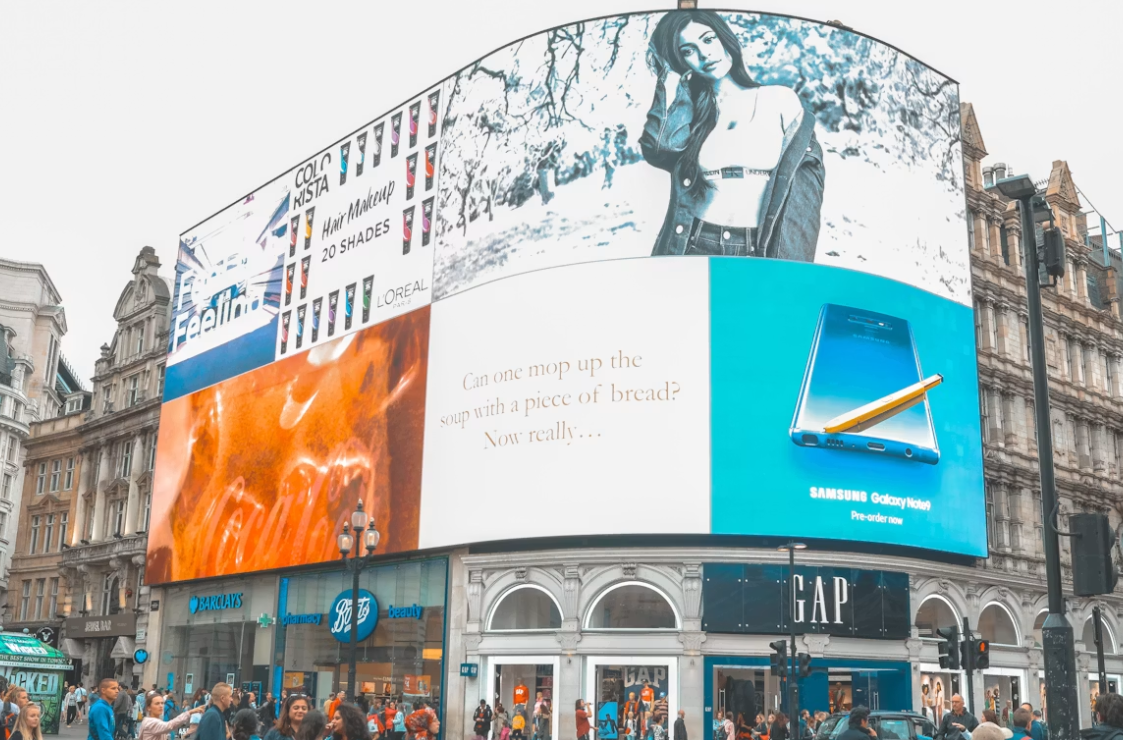
Even though digital channels get a lot of attention in marketing, don't forget about physical, out-of-home (OOH) advertising. It can be a great way to reach certain valuable groups of people. Busy places like international airports, city centers, and major transport hubs offer a unique chance to grab the attention of people who are already looking around. These individuals are often in a different mindset, making them more open to new information.
Think about the people you see in an international airport. They're often business executives, wealthy travelers, and tourists from all over the world. This group can be expensive and hard to reach precisely online. Putting your brand in front of them in a high-quality, unmissable way can really boost your brand's image and recognition. Unlike an online ad that can be skipped or blocked, a well-placed physical ad demands attention. For brands wanting to make a big impression and connect with a smart global audience, launching a first-class advertising campaign in such a spot can have a huge impact and make your brand seem more trustworthy on a global scale.
Evaluating Reach and Engagement Potential
Every media channel offers a different mix of how many people you reach and how much they interact. Reach is the total number of unique people who see your content. Engagement is how they interact with it, like liking, commenting, sharing, or clicking. It’s not enough to just send your message to the biggest audience; you need to connect with them in a meaningful way.
When you're looking at different types of marketing channels, think about these points:
- Social Media: Platforms like Instagram and TikTok are very visual and great for getting people to interact, especially younger audiences. LinkedIn is the top choice for B2B marketing, with good options for targeting professionals. Facebook offers a huge reach and advanced ad tools.
- Search Engine Marketing (SEM): This channel catches users who are actively looking for something, as they're searching for solutions you might offer. It’s excellent for getting leads and direct sales.
- Content Marketing: Blogs, videos, and e-books help your brand become an expert and build trust over time. This approach focuses on long-term interaction and getting traffic naturally.
- Email Marketing: This channel is perfect for guiding potential customers and encouraging existing ones to buy again. It allows for a lot of personalization and a direct way to talk to people.
The goal is to find the right combination of channels that fit your audience's habits and your campaign goals. Often, the most effective strategies use several of the best marketing channels for your brand together to give customers a smooth experience.
Budgeting for Effective Media Buys
Your budget is a main factor in deciding which media channels you can use. Some platforms need a lot of money to start, while others let you begin small and grow as you see results. Knowing the different ways you pay is key to spending your money wisely.
Common payment models include:
- Cost Per Mille (CPM): You pay a set price for every 1,000 times your ad is shown (views). This is common for campaigns focused on brand awareness, where reaching a lot of people is the main goal.
- Cost Per Click (CPC): You pay each time someone clicks on your ad. This is the standard for search engine marketing and aims to get people to visit your site.
- Cost Per Acquisition (CPA): You only pay when a specific action happens, like a sale or someone filling out a form. This model directly links ad spending to results but often costs more per action.
- Flat Fee: Some ad spots, especially in traditional media or with influencer marketing, involve a fixed price for a certain period or specific things to be delivered.
When you're planning your budget, don't just pick the cheapest option. Think about the potential return on investment (ROI) for each channel. It might be worth paying a higher CPC on a platform that brings in really good leads who turn into valuable customers. Start with a test budget across a few promising channels, see what happens, and then put more money into the ones that perform best.
Measuring Campaign Performance
Starting your campaign is just the beginning. To make sure your media strategy works, you need to constantly track and check its performance. The key performance indicators (KPIs) you watch should directly match the goals you set at the start.
For a brand awareness campaign, you might track:
- How many times your ad is shown and how many people see it
- How much website traffic you get
- Mentions on social media and how much people are talking about your brand
For a lead generation campaign, you'd focus on:
- Click-through rate (CTR)
- Conversion rate (e.g., how many people fill out forms)
- Cost per lead (CPL)
For a direct sales campaign, you should measure:
- Return on ad spend (ROAS)
- Cost to get a new customer (CAC)
- Average value of each order (AOV)
Use analytics tools like Google Analytics, social media insights, and your CRM software to get this data. Regularly check your performance dashboards to see what's working and what isn't. This data-driven approach lets you improve your campaigns in real time, moving money away from channels that aren't doing well and investing more in the ones that bring the best results.
Picking the right media channels is an ongoing process of trying things out, learning, and adjusting. Building your strategy on a deep understanding of your audience and clear goals helps you create a powerful marketing engine that drives steady growth for your brand.
Image Credit: Unsplash


