Church Bus Rental Ideas for Congregation Trips and Events
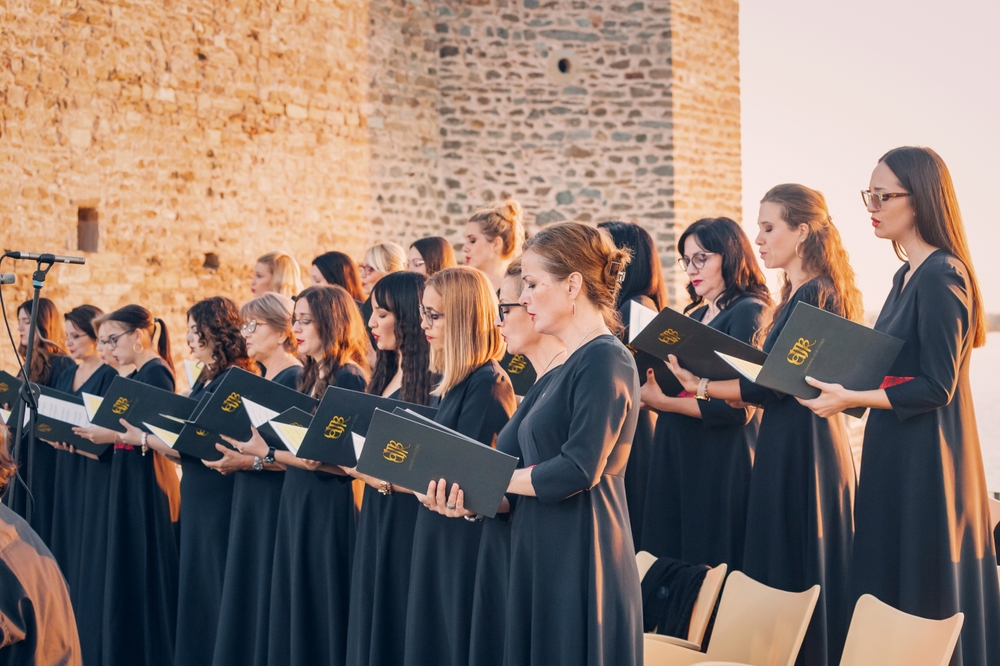
Some of the strongest bonds in a congregation form somewhere between the church parking lot and the destination. A two-hour ride to a retreat center gives teenagers time to talk, lets seniors share stories with young families, and turns a group of individuals into a traveling community. Shared transportation is not just a logistical choice. For many churches, it is part of the ministry itself.
If your planning team is looking for fresh ideas, the church calendar is a natural place to start. Below are trip ideas for every season, followed by practical advice on matching each outing to the right vehicle.
What Trips Work Well in Spring?
Spring brings a natural sense of renewal, and it is a popular time for outings that bring different generations together.
A spring retreat at a camp or conference center gives leaders and members space to reflect before the busy summer months. Many retreat sites sit an hour or more outside the city, which makes a comfortable coach far more practical than a line of personal cars.
Easter season also invites trips to sunrise services, choir performances at partner churches, or community events in neighboring towns. For groups that include older members, a bus with easy boarding and a reliable heating system makes early morning travel much more pleasant.
Spring is also a good moment to plan a day of service. Volunteers can travel together to food banks, community gardens, or shelters, arriving as one team rather than trickling in over the morning.
What Trips Work Well in Summer?
Summer is the busiest season for church travel, largely because of youth programs.
Youth camps and conferences often run for several days and sit hundreds of miles away. These trips need a vehicle with space for sleeping bags, suitcases, and sports gear, and a driver schedule that accounts for long days on the road. Assign chaperones to specific rows of the bus so headcounts at rest stops take minutes rather than a quarter hour.
Mission trips are another summer staple. Teams may travel with tools, building supplies, or donated goods alongside passengers, so luggage capacity matters as much as seating. It helps to share a packing list with the provider early, so they can recommend a vehicle with enough underfloor storage.
For families, a summer picnic, lake day, or trip to a theme park or ballgame can bring the whole congregation together outside the usual Sunday setting. These days tend to run long, so plan a clear return time and share it widely.
What Trips Work Well in Fall?
Fall brings a return to routine and a natural rhythm for fellowship events.
A fall retreat, whether for men's and women's ministries, couples, or the full congregation, is a chance to reconnect after summer. Harvest festivals, apple orchards, and pumpkin patches make easy day trips for families with young children. Seasonal outings like these are often the easiest to fill, since they appeal to every age.
Many churches also use the fall to visit sister congregations, attend regional conferences, or take part in denominational gatherings. These trips often include several stops, so a clear itinerary shared in advance keeps the day on schedule. Planning teams comparing options can review how OurBus Charters church bus rental groups vehicles by ministry size, from sprinter vans for leadership teams to full coaches for large retreats, which helps when you are still deciding how many members will attend.
What Trips Work Well in Winter?
Winter trips are often shorter, but they carry some of the most memorable moments of the year.
A Christmas lights tour is a favorite in many communities. Seniors in particular appreciate a warm bus, a planned route through the best displays, and no need to drive at night. Serving hot cocoa at the church before departure turns the evening into a small celebration. Choirs may also travel to perform at nursing homes, hospitals, or other churches during the holiday season.
After the holidays, a winter retreat or youth ski trip can recharge a congregation during the quieter months. For mountain destinations, ask whether the operator has experience with winter driving and whether the vehicle carries appropriate equipment for snowy roads. Build extra time into winter schedules too, since weather can slow travel even on familiar routes.
How Do You Match Each Trip to the Right Bus?
Once you have a trip in mind, the next question is size. The table below offers a starting point based on common church groups.
Remember that seniors and people with mobility needs may need more than a seat. Kneeling suspension, handrails, and wide aisles make boarding easier, and wheelchair lifts should be requested when you first ask for a quote. Charter operators may ask for up to 48 hours of advance notice for accessible service, so mention it early. When your headcount falls between two sizes, choose the larger vehicle so late sign-ups and bulky bags still fit.
What Planning Habits Help Every Church Trip?
A few simple habits make any church trip run more smoothly.
Name one trip leader to communicate with the driver and provider. Build a roster with emergency contacts for every passenger, especially for youth events. Share the schedule in the bulletin, by email, and in person, since not every member checks the same channel. Collect payments early if members are sharing the cost, and set a firm headcount deadline so you can confirm the right vehicle. Finally, pray together before departure if that fits your church's tradition. Many groups find that moment sets the tone for the whole trip. It also helps to recruit a few volunteers to greet riders, check names, and help older members with their bags.
Frequently Asked Questions
How far ahead should a church book a bus?
Four to eight weeks is a comfortable window for most trips. Summer camps, mission trips, and holiday events benefit from booking two to three months ahead.
Can a church split the cost among members?
Yes. Many churches divide the total by the number of riders or cover part of the cost from a ministry budget, then ask families to contribute the rest.
Is a bus rental safer than members driving themselves?
A professional driver and a single, well-maintained vehicle remove many of the risks of multiple private cars, especially on long trips or at night. It also means everyone arrives together, which matters for events with a fixed start time.
Closing Word
Shared travel turns church events into lasting memories. With a trip idea for every season and the right bus for each group, your congregation can spend less time on logistics and more time together. Ready to plan your next retreat, mission trip, or holiday outing? Share your date, headcount, and destination to request a free quote at ourbuscharters.com, then let a professional driver handle the road while your members enjoy the journey.