Common Challenges Facing Fabrication Workshops
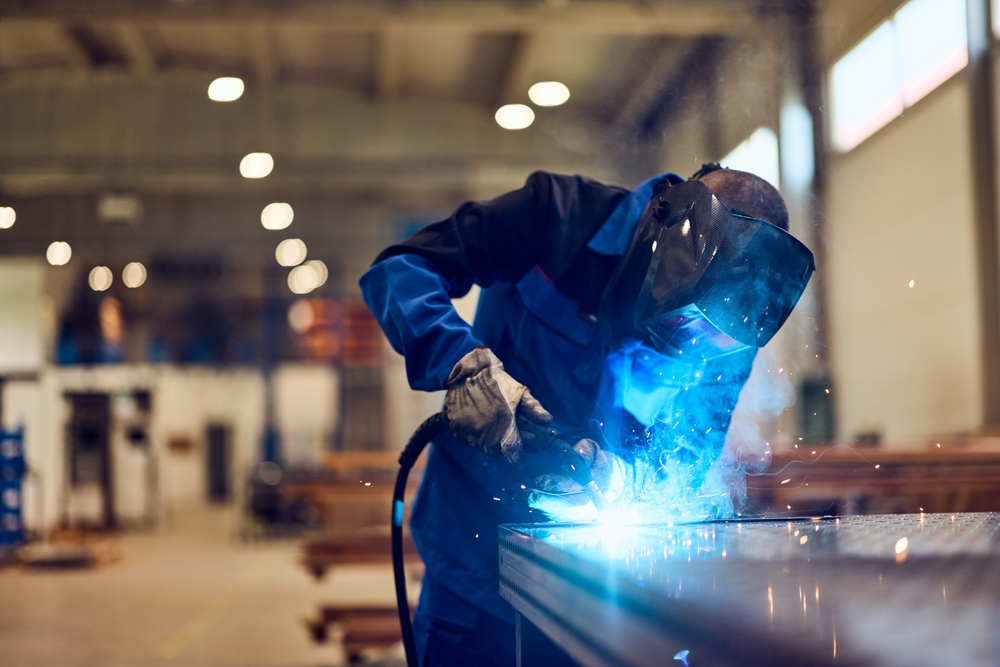
Fabrication workshops play a pivotal role in various industries by shaping, assembling, and finishing metal products. However, these workshops encounter several challenges that can impact productivity, quality, and safety. Understanding these issues is essential for improving operations and maintaining competitive advantage.
One primary concern in fabrication shops is the selection and management of welding gases. For instance, mig welding gas is widely used due to its efficiency and quality but requires precise handling and storage to ensure optimal performance. Incorrect gas mixtures or contamination can lead to weak welds and increased rework, affecting overall workshop efficiency.
Equipment Reliability and Maintenance
Fabrication workshops rely heavily on machinery such as cutting tools, welding equipment, and presses. Regular wear and tear can lead to breakdowns, causing production delays. Scheduled maintenance and prompt repairs are vital to avoid unplanned downtime. Implementing a robust maintenance schedule is a challenge but necessary for smooth operations.
Skilled Workforce Shortage
The fabrication industry often struggles with recruiting and retaining skilled workers. The complexity of tasks, alongside the physical demands of the job, requires trained personnel capable of operating sophisticated machinery and adhering to safety standards. Addressing this shortage involves investing in training programs and fostering a positive work environment to reduce turnover.
Health and Safety Compliance
Ensuring employee safety is paramount in fabrication workshops. Hazards such as exposure to intense heat, toxic fumes, and heavy machinery necessitate strict compliance with safety regulations. For example, gas handling, including the use of oxy acetylene, must be managed carefully to prevent accidents. Workshops must maintain up-to-date safety protocols and provide personal protective equipment.
Material Management and Waste Reduction
Efficient use of raw materials affects both costs and environmental impact. Fabrication shops must optimise cutting patterns and material storage to minimize waste. This requires accurate measurement, planning, and monitoring processes. Additionally, the recycling of scrap metal can contribute to sustainability goals and reduce expenses.
Meeting Quality Standards
Clients demand high standards for fabricated products, which puts pressure on workshops to maintain consistent quality. This includes the precision of cuts, weld integrity, and finishing processes. Quality control mechanisms such as regular inspections and testing help identify defects early, reducing costly rework and ensuring customer satisfaction.
Technological Advancements and Integration
Incorporating advanced technologies like computer numerical control (CNC) machines, robotics, and software for design and production management presents both opportunities and challenges. While these technologies can enhance accuracy and efficiency, their implementation requires capital investment and worker training.
Energy Consumption and Environmental Regulations
Fabrication workshops often consume significant amounts of energy due to machinery and welding processes. Managing this consumption is critical for cost reduction and regulatory compliance. Energy-efficient equipment and processes help reduce the carbon footprint. Awareness of local environmental regulations ensures that workshops avoid penalties and reputation damage.
Supply Chain Reliability
Timely procurement of materials and gases is critical to maintaining production schedules. Delays due to supplier issues can disrupt workflows and increase costs. Establishing reliable supplier relationships and maintaining adequate inventories can mitigate these risks.
Workshops also face challenges in adapting to fluctuating demand. Seasonality and market changes require flexibility in production capacity without compromising quality or lead times.
Effective Communication and Workflow Coordination
Coordination among various teams such as design, production, and quality control is essential to meet deadlines and specifications. Miscommunication can result in errors and wasted resources. Implementing clear communication channels and project management tools enhances operational efficiency.
Cost Management
Balancing operational costs with competitive pricing is an ongoing challenge. Fabrication workshops must monitor expenses related to labour, materials, equipment maintenance, and energy use. Strategic budgeting and cost control measures help sustain profitability.
Handling Hazardous Materials and Waste
Workshops often use potentially hazardous substances that require careful handling and disposal. Compliance with regulations and proper training reduces risks of contamination and health hazards.
Customer Expectations and Customisation
Increasingly, clients demand customised solutions tailored to their specific applications. Meeting these expectations necessitates flexible production processes and skilled craftsmanship to deliver tailored products without significant delays or increased costs.
Implementing Lean Manufacturing Principles
Efficient workflows that reduce waste and improve productivity are crucial. Lean manufacturing requires cultural shifts and continuous improvement initiatives, which can be challenging to embed within traditional fabrication environments.
In conclusion, fabrication workshops face multifaceted challenges encompassing technical, operational, and human resource aspects. Overcoming these hurdles necessitates a strategic approach focused on training, technology adoption, safety compliance, and efficient resource management. Utilising resources from trusted suppliers such as Coregas Australia can support workshops in securing quality gases and materials, thus enabling smoother operations and higher quality output.

.jpg)