Criminal Defense Attorney vs. Public Defender: Which Is Right for You?
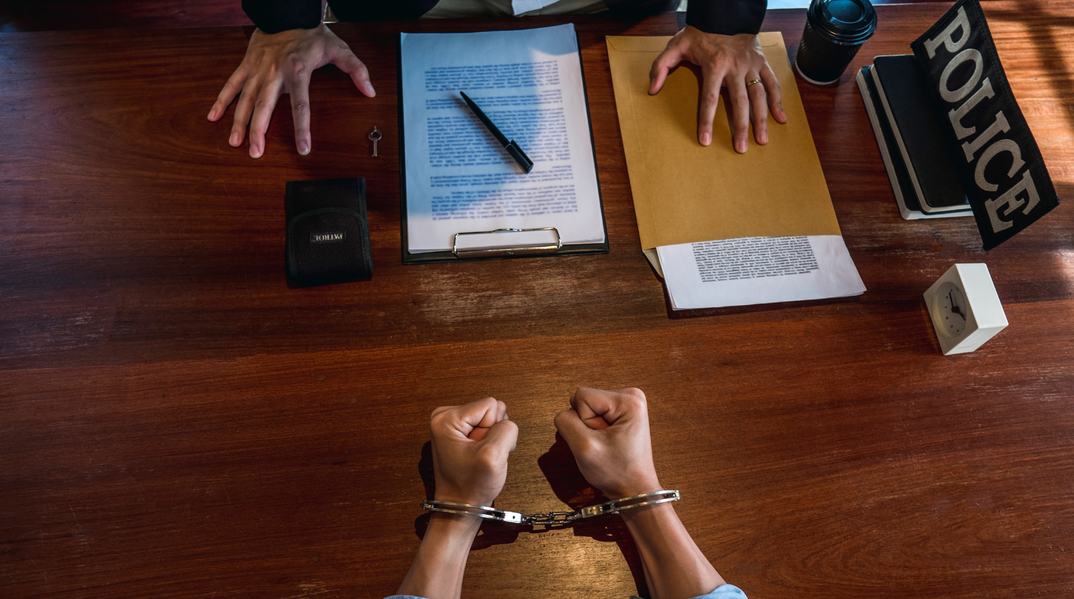
When criminal charges land on your doorstep, everything speeds up uncomfortably fast. Suddenly, you're making decisions that most people never expect to face, and the most consequential one happens almost immediately. Who's going to represent you? That single choice can ripple across every outcome that follows. Yet a surprising number of people stumble into that decision without ever really understanding what their options are. If you're reading this before that moment hits, good. You're already ahead.
Private vs. Public: Why This Choice Is Bigger Than You Think
Here's a number that should stop you cold: roughly 80% of criminal defendants across the United States rely on public defenders or court-appointed lawyers. Eight in ten. That's not a statistic about poverty, necessarily. It's a statement about how few people actually pause to explore what else is available.
The private vs public attorney question isn't abstract legal theory. It's intensely practical. It touches your freedom, your record, your job prospects, and your family. Get it wrong, and you'll feel the consequences for years.
So let's be clear about definitions first. A private criminal defense attorney is retained directly by you, by your family, by someone in your corner. A public defender is a government-employed attorney assigned to those who can't afford private counsel. Both passed the bar. Both are licensed. But their day-to-day reality? Vastly different.
What Private Representation Actually Looks Like
Let's talk about what you're actually getting when you hire a private attorney, because the picture is meaningfully different from what most people expect.
First, attention. Real, dedicated attention. Private defense lawyers typically carry far smaller caseloads. That means when you call, they call back. When something changes in your case, you hear about it. When it's time to strategize, there's actually time to strategize. That sounds basic. It isn't.
What Gets Better With a Private Attorney
Communication is usually the first thing defendants notice. Not just that it exists, but that it's consistent. You're not chasing someone down a courthouse hallway hoping to get sixty seconds of their time before a hearing starts.
Houston makes this conversation especially interesting. Harris County courts are relentless, with thousands of criminal cases cycling through annually, and the system does not slow down for anyone. Local knowledge here isn't just a nice-to-have. A skilled Houston criminal defense attorney brings genuine familiarity with the courts, the prosecutors, the judges, and the procedural quirks that exist nowhere else. That kind of insider fluency changes what's possible from day one.
Beyond communication, there's capacity. Private attorneys can commission investigators, retain expert witnesses, and construct a defense that's actually custom-built for your situation, not adapted from a template designed to handle fifty cases simultaneously.
Understanding the Fees
Yes, private representation costs money. Attorneys typically charge retainer fees, flat fees, or hourly rates depending on case type and complexity. Many offer payment plans. That financial reality is genuine, and it matters.
But here's the framing that helps most people: the cost of a weak defense almost always exceeds the cost of a strong one. Convictions carry consequences, such as lost employment, housing restrictions, and family disruption that stretch far beyond any attorney's fee.
The Local Advantage Is Real
When you hire a Houston criminal defense attorney who genuinely knows Harris County, you gain something no out-of-town lawyer can replicate. Every courthouse has its own rhythms. Prosecutors have tendencies. Judges have preferences. Experienced local attorneys understand what arguments actually land and how to position cases effectively before a trial ever begins.
Take Shannon Drehner of Drehner Law, a former chief felony prosecutor in Harris County. That background means she knows exactly how the prosecution will evaluate your case, because she once sat on that side of the table. That's not marketing language. That's a tangible, strategic edge.
Public Defenders: Honest Strengths, Real Constraints
Public defenders aren't the fallback option some people assume. Many are genuinely talented attorneys who care deeply about their clients. Dismissing them wholesale would be inaccurate and unfair.
But the systemic pressures they operate under? Those are real and documented. In FY 2024, trial-level public defenders averaged just 13 hours per felony case, well below the standards required for constitutionally effective representation. Thirteen hours. For a case that could determine years of someone's life.
Where Public Defenders Make Sense
There are scenarios where public defense genuinely works well. A first-time defendant facing a straightforward misdemeanor, with limited evidence and a clean record? A skilled public defender may handle that effectively. Eligibility is income-based, and the process typically starts at arraignment through a financial affidavit.
And let's acknowledge the obvious: for people who truly cannot afford private counsel, the constitutional right to representation through a public defender is critically important. It's nothing. It's fundamental.
Side-by-Side: What the Comparison Looks Like
Two Scenarios Worth Thinking About
Scenario 1 Minor misdemeanor, first offense: In jurisdictions where public defenders aren't completely buried, a first-time offender facing minor charges may receive competent, effective representation. The outcome can be reasonable when the facts are uncomplicated.
Scenario 2: Stacked felony charges. Here, the gap becomes impossible to ignore. Multiple charges, prior record considerations, complex evidence, this situation needs someone with hours to dedicate, not minutes. It needs investigators, expert analysis, and deep familiarity with how Harris County felony prosecutions actually work. Private counsel isn't just preferable here. It may be the difference between conviction and a path forward.
How to Actually Choose a Defense Lawyer
Choosing a defense lawyer isn't only about what you can afford; it's about matching your situation to the right kind of representation. Case complexity, severity of potential penalties, your record, and how involved you want to be all factor in.
Ask specific questions during consultations. How many cases like yours have they handled? How often will you receive updates? What's their approach to plea negotiations versus taking things to trial? Watch how they answer. Good attorneys are direct, specific, and honest about realistic outcomes, not vague and reassuring.
Technology Is Changing Criminal Defense
Digital evidence is now central to countless cases, including surveillance footage, cell data, and GPS records. Private attorneys with forensic specialists on call can challenge or reframe this evidence in ways that genuinely shift outcomes. AI-assisted discovery review is helping attorneys identify inconsistencies faster than ever. Remote consultations have made accessing strong legal help more convenient, even for clients who aren't in major metro areas. These aren't gimmicks; they're real tools, and attorneys who use them well build stronger defenses.
Mistakes People Keep Making
Don't assume all representation delivers equivalent results. It doesn't. Failing to ask about communication frequency is one of the most common complaints defendants share after the fact. Another? Choosing based purely on cost without considering whether the attorney's experience actually matches the charges you're facing. That mismatch can cost you far more than the money you saved.
If You've Just Been Arrested
Stay calm. Invoke your right to remain silent immediately, clearly, without negotiation. Do not answer questions before an attorney is present. Document everything you remember. Contact a defense attorney as soon as humanly possible. The earlier you have representation, the more options remain on the table.
When Private Representation Becomes Essential
In complex, high-stakes situations, serious felony charges, repeat offense history, and legally tangled circumstances, consulting a Houston criminal defense attorney with locally grounded expertise isn't optional. It's critical.
If what you're facing carries real consequences, your defense deserves real resources. A former Harris County prosecutor who understands both sides of the courtroom brings a perspective that simply cannot be replicated anywhere else. That matters especially in a legal market as demanding as Houston.
Quick Answers to Common Questions
Who qualifies for a public defender? Eligibility is income-based. At arraignment, you complete a financial affidavit, and the court assigns counsel if you qualify.
Can I switch from a public defender to a private attorney? Yes, in most cases. Earlier is always better; mid-case transitions create delays.
Can I negotiate fees with a private attorney? Often. Payment plans, flat fees, and free initial consultations are common. Ask directly.
How does local experience affect plea deals? Familiarity with specific prosecutors and judges shapes how arguments land during negotiations. That relationship-based knowledge has real, measurable impact.
What about attorney-client privilege? It begins the moment you start discussing your case, even before formally retaining anyone. Speak openly.
The Call That Changes Everything
Nobody plans to need a criminal defense attorney. But if you're suddenly in that position, the decision you make about representation is among the most important you'll ever face. Public defenders serve a vital constitutional role, but they operate under constraints that private counsel simply doesn't face. Your charges, your record, and everything at stake should drive the decision. If you're navigating the Houston legal system and want the strongest possible outcome, reaching out to a Houston criminal defense attorney with real local expertise might genuinely be the most important call you make. Don't wait until the system decides for you.

.jpg)