Cutting the Cost of Running an Electric Car: Smart Tariffs and Home Charging Explained
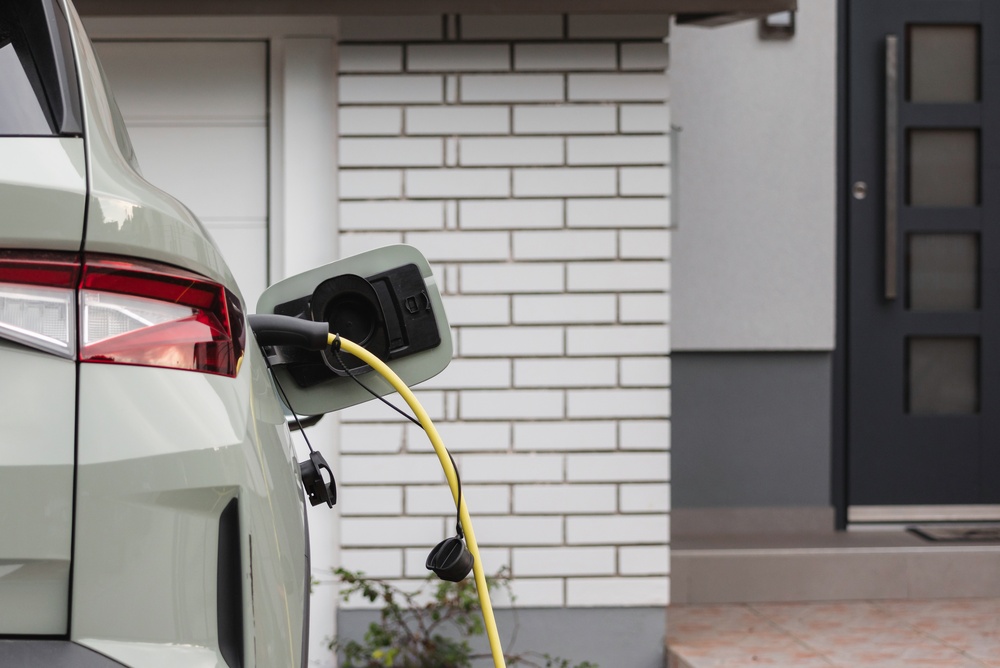
One of the biggest selling points of an electric car is the promise of cheaper running costs. Whether that promise holds up depends less on the car and more on where, when and how you charge it.
Drivers who rely on rapid public chargers can find themselves paying far more per mile than they expected. Those who charge at home on the right tariff often pay a fraction of the cost. Understanding the difference is the quickest way to make an EV genuinely affordable.
Why Home Charging Usually Wins
Charging at home is almost always cheaper than using public networks. Domestic electricity carries VAT at the reduced rate of 5%, while public charging is generally charged at the standard 20%. Rapid chargers at motorway services and retail parks also price in the cost of the equipment and grid connection.
Public charging still has its place, particularly on long journeys. For everyday driving, though, the cheapest miles are nearly always the ones you add on your own driveway while you sleep.
How Smart EV Tariffs Work
Most standard electricity tariffs charge the same price per unit whatever the time of day. Smart EV tariffs, sometimes called time-of-use tariffs, offer a much lower rate during a set overnight window, with a higher rate for the rest of the day.
The cheap window typically lasts a few hours, often somewhere between late evening and early morning. On many tariffs the low rate applies to everything you use during that period, not just the car, so running the dishwasher or washing machine overnight can add to the savings.
You will usually need a smart meter, and some suppliers ask for proof that you own or lease an electric vehicle.
Comparing Tariffs Properly
It is easy to focus on the headline overnight rate, but that is only part of the picture. When comparing tariffs, look at:
- the overnight unit rate and how many hours the cheap window lasts
- the daytime unit rate, which may be higher than a standard tariff
- the daily standing charge
- any exit fees or minimum contract terms
Supplier tariffs change regularly, so check the current figures directly before switching. Reading a clear breakdown of how the British Gas EV tariff stacks up, for example, shows how much the details matter once you factor in daytime usage and standing charges.
Ofgem's price cap is a useful reference point for what a typical standard tariff costs, so you can see how far below it a smart tariff's overnight rate really sits.
Choosing the Right Home Charger
A smart charger is what lets you take advantage of a time-of-use tariff. In Great Britain, new home chargers must have smart functionality and come set to charge outside peak hours by default, although owners can change the schedule.
Most home chargers deliver up to around 7kW on a standard single-phase supply. Your car's onboard charger sets the real limit, so a vehicle that accepts less will charge at its own maximum rate rather than the charger's.
Some chargers can also link directly with certain tariffs, or with solar panels and home batteries, so the car charges when electricity is cheapest or greenest. It is worth checking compatibility before you buy.
Installation Matters More Than People Think
A home charger is a significant electrical load, often running for several hours at a time. Before installation, a qualified electrician should check your consumer unit, earthing arrangements and incoming supply.
Older homes sometimes need a consumer unit upgrade before a charger can be fitted safely. Where a charger, electric shower and other heavy loads could run together, the installer may use load management or notify the local network operator.
Choose an installer who works to the IET Code of Practice for Electric Vehicle Charging Equipment Installation and provides full certification. Grant support is available for some groups, such as renters and flat owners, so check current eligibility on GOV.UK.
Habits That Keep Costs Down
Small changes make a difference over a year of driving. Schedule charging to finish just before you leave, rather than topping up as soon as you get home. Avoid charging to 100% every night unless you need the range, as many manufacturers recommend a lower everyday limit.
Pre-heat or cool the cabin while the car is still plugged in, so energy comes from the grid rather than the battery. Keep tyres properly inflated, and treat rapid public charging as a convenience rather than a habit.
Final Thoughts
Running an electric car can be remarkably cheap, but only if your charging setup is planned properly. A well-installed smart charger and a tariff that matches how your household uses electricity will do more for your running costs than almost anything else.
Take the time to compare tariffs on their full terms, get your installation checked by a qualified electrician and build charging into your overnight routine. The savings tend to follow.