Designing a living room that genuinely accounts for the family pet
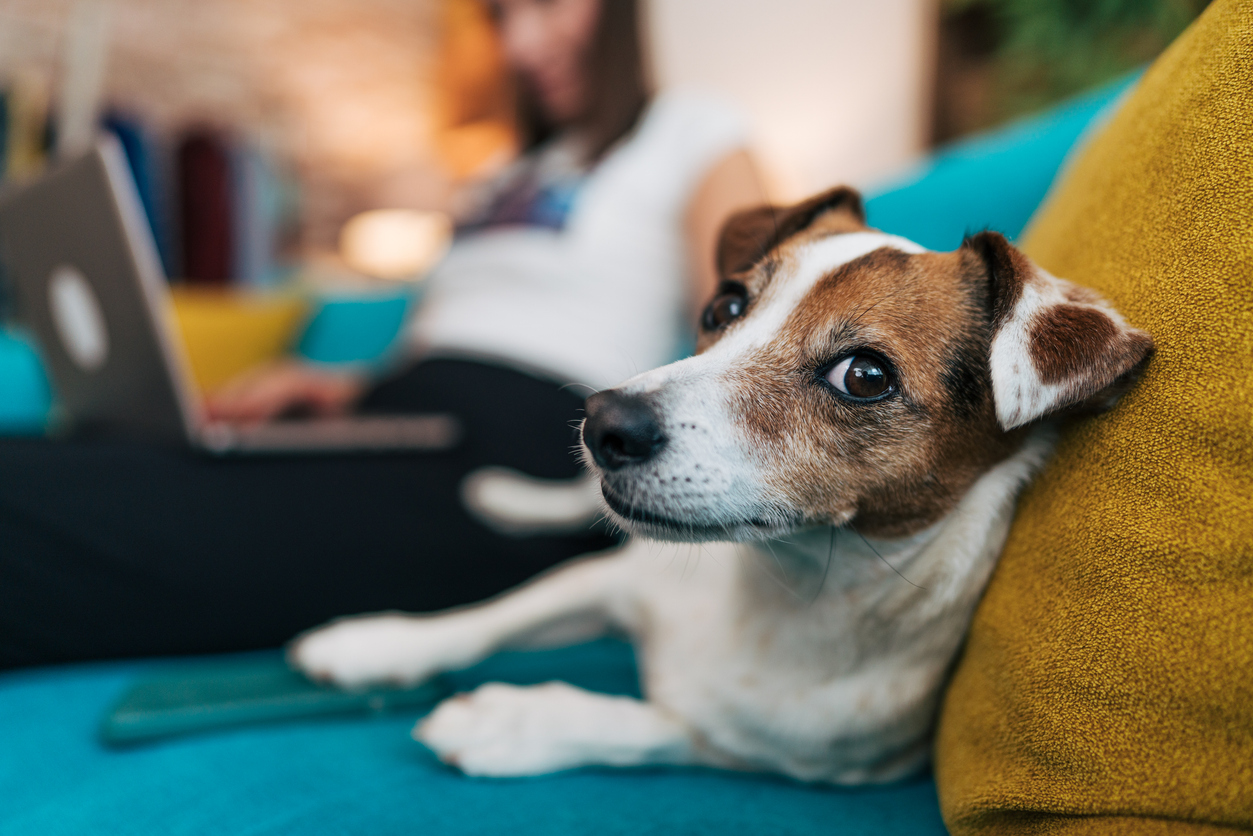
There is a particular kind of optimism that goes into choosing a sofa fabric while ignoring the animal that is, at that very moment, asleep on the existing one. The new piece gets selected in a pale, delicate textile because it photographs beautifully, and the household tells itself that this time will be different, that the dog will somehow learn to use the floor, or the cat will lose interest in claiming the warmest corner of the cushion. Within a few months, reality reasserts itself, and the sofa looks like it has been through a different kind of life from the one it was bought for.
This pattern repeats in an enormous number of households because pets are not a niche consideration in domestic furnishing. They are close to a majority circumstance. Designing a living room around the actual presence of an animal, rather than around an idealised version of the room without one, produces decisions that hold up considerably better over time.
Just how many homes actually include a pet
The American Veterinary Medical Association's 2025 Pet Ownership and Demographic Sourcebook provides the most comprehensive recent data on this question. The survey found that 77.5 million households owned at least one pet in the United States in 2025, representing 58.6 percent of all households, an increase of more than 8 percent since 2016. Dogs were present in 42.6 percent of households and cats in 32.6 percent, with many homes including both.
These figures describe a domestic majority, not a special case. Furniture decisions made without reference to this reality are, statistically, more likely than not to be made for a household that will spend the coming years living alongside an animal that sheds, sleeps on furniture, occasionally has accidents, and generally interacts with the home's soft surfaces in ways that no marketing photograph anticipates.
The practical implication for sofa selection is that fabric durability and washability should be treated as primary criteria for the large majority of households, not as a niche consideration relevant only to households that explicitly identify as pet owners at the point of purchase. Even households without a current pet are, given these figures, reasonably likely to acquire one during the years they own the sofa.
What this means for choosing a cover for a heavily used sofa
A sofa that shares its life with a pet experiences a different pattern of wear from one that does not. Claws, even from a well-groomed cat or dog, snag at loose weaves over time. Fur accumulates in textured fabrics far more readily than in tighter weaves. And the occasional accident, however infrequent, requires a fabric and a cover design that can be washed thoroughly rather than spot treated and hoped for the best.
The IKEA Vimle, with its removable cover system, is already positioned to address this need better than fixed upholstery, but the cover fabric chosen for it determines how well that potential is actually realised. A tightly woven natural fabric resists snagging and fur accumulation considerably better than a loose, textured weave, and a cover that can be removed entirely and washed at a high temperature addresses both odour and hygiene concerns in a way that surface cleaning of fixed upholstery cannot match.
For households navigating this exact set of considerations, fitted replacement covers for the IKEA Vimle sofas in densely woven natural linen or cotton offer a practical answer that does not require sacrificing the warmth and tactile quality that a natural fabric provides. The cover can be removed entirely for a thorough wash when needed, rather than relying on spot cleaning that leaves the underlying fabric carrying years of accumulated residue.
What to prioritise when a pet is part of the household
The specific fabric and design priorities that matter most for a sofa shared with a pet:
• A tight, dense weave that resists claw snagging and does not provide an easy surface for fur to embed into, as opposed to a loose, highly textured fabric that traps both
• Full removability of the cover, allowing a genuine machine wash rather than spot cleaning, which becomes important not just for accidents but for the general accumulation of oils and dander that pets transfer to fabric through regular contact
• A colour that does not show fur prominently, since very dark fabrics show light coloured fur and very pale fabrics show dark fur equally clearly. Mid-toned neutrals in warm grey, taupe, or olive tend to disguise shed fur more effectively than either extreme
• A fabric weight substantial enough to withstand the repeated weight and movement of an animal jumping on and off the piece daily, since very light fabrics show wear at these high contact points considerably faster than medium-weight alternatives
Natural fibres and the pet household specifically
Linen performs particularly well in households with pets for reasons that extend beyond general durability. Its tight, smooth fibre surface gives claws and fur considerably less to grip onto than a looped or highly textured weave, which is why linen sofa covers tend to show less visible damage from regular pet contact than chenille, boucle, or other heavily textured natural fabrics that are otherwise comparably durable.
Linen's tolerance for repeated hot washing also matters considerably in a pet household, where odour management is a more regular concern than in a pet free home. A cover that can be washed at 60 degrees Celsius without shrinking or degrading addresses both visible soiling and the kind of accumulated odour that lower temperature washing does not fully resolve.
Cushions and removable elements
Beyond the main cover, cushion covers that can be removed and washed separately from the rest of the sofa offer an additional layer of practical maintenance for a pet household. Cushions tend to receive concentrated contact, since they are often where a sleeping pet settles, and being able to refresh them independently of the full sofa cover allows for more frequent cleaning of the highest contact areas without requiring a complete strip and wash of the entire piece every time.
Designing for the household that actually exists in the room
The broader principle here is one that applies well beyond pets specifically. A sofa, more than almost any other piece of furniture, needs to be chosen for the household that will actually use it across the years it remains in the room, rather than for an idealised version of that household that exists only in a showroom display. Given that well over half of households share their home with an animal, planning for that reality from the outset, rather than discovering its consequences after the first ruined cushion cover, produces a far more satisfying long-term outcome.
This does not mean compromising on the room's aesthetic ambitions. A densely woven natural linen cover in a considered mid-neutral tone looks every bit as deliberate and elegant as a more delicate alternative, while quietly performing the practical work that the household's actual daily life, animal included, genuinely requires of it.