Designing Safer Access Routes Across Commercial Roofs
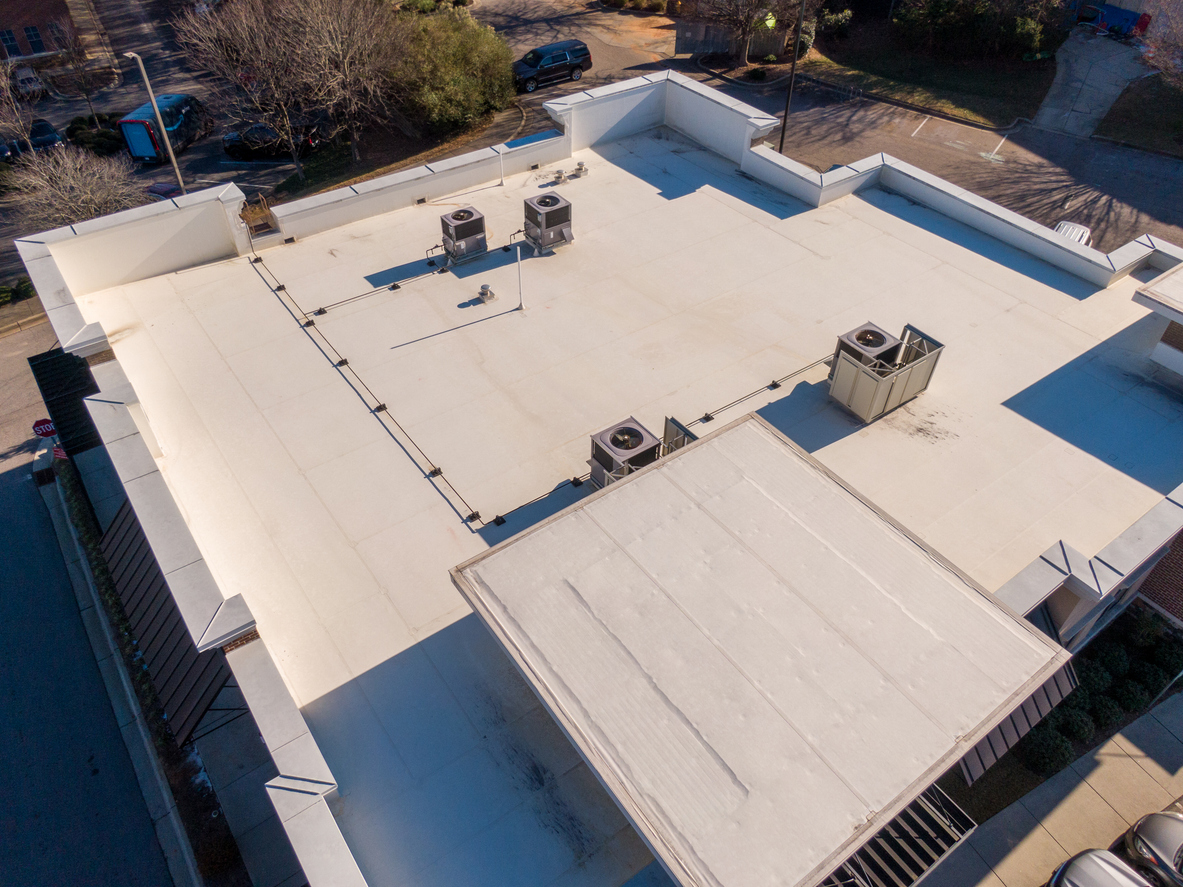
Commercial roofs are no longer simple, empty spaces. They often house air conditioning units, solar panels, ventilation systems, communication equipment, and other essential infrastructure that requires regular inspection and maintenance. As a result, workers frequently need to travel across rooftops, making safe access routes an essential part of building design and facility management.
Creating clearly defined pathways helps minimise risks, protects roofing materials, and ensures maintenance tasks can be completed efficiently without compromising worker safety.
Understanding the Challenges of Rooftop Access
Every commercial roof presents its own unique obstacles. Changes in height, pipework, ducting, skylights, cable trays, and fragile roof surfaces can all create hazards for anyone carrying out inspections or repairs.
Without designated routes, workers may choose the shortest path to their destination, even if that means stepping over services, walking close to roof edges, or crossing vulnerable roof coverings. Over time, this increases the likelihood of slips, trips, falls, and accidental damage to the roof itself.
Designing access routes around these challenges creates a safer working environment while helping businesses maintain their buildings more effectively.
Planning Routes with Safety in Mind
A well-planned rooftop access system begins with understanding how the roof is used. Maintenance personnel should be able to reach every piece of equipment without unnecessary detours or exposure to hazards.
Routes should avoid fragile surfaces wherever possible and provide enough space for workers carrying tools or replacement parts. They should also allow maintenance teams to move naturally around equipment without forcing awkward movements or unnecessary climbing.
Considering future maintenance needs during the design stage can prevent costly alterations later and ensure the roof remains practical throughout the building's lifespan.
Managing Changes in Roof Levels
Many commercial roofs contain obstacles that interrupt natural walking routes. Pipework, ducting, cable trays, and raised plant equipment often create barriers that workers must cross repeatedly.
Rather than encouraging workers to climb over these obstacles directly, purpose-built crossing solutions offer a far safer alternative. Products supplied by Kee Safety provide secure step-over access that allows maintenance teams to move across rooftop services while maintaining stable footing and reducing unnecessary risk.
By integrating these crossing points into planned access routes, businesses can improve both safety and operational efficiency.
Protecting Roofing Systems
Safe access routes do more than protect people, they also help preserve the roof itself.
Repeated foot traffic across unprotected roof membranes can accelerate wear, damage insulation, and increase the risk of water ingress. Clearly defined walkways concentrate pedestrian movement onto designated areas that are designed to withstand regular use.
Reducing unnecessary traffic across vulnerable sections of the roof can extend the lifespan of roofing materials while lowering long-term repair and maintenance costs.
Supporting Compliance and Safe Working Practices
Employers have a responsibility to reduce risks wherever practical. Providing designated rooftop access routes demonstrates a proactive approach to workplace safety and supports broader risk management strategies.
Safe routes should form part of a complete roof access plan that includes regular inspections, maintenance schedules, worker training, and clear procedures for accessing rooftop equipment.
Simple additions such as signage, clearly marked pathways, guardrails where appropriate, and secure crossing points all contribute to creating a safer working environment.
Considering Future Building Changes
Commercial buildings rarely remain unchanged. New plant equipment, renewable energy installations, and upgraded mechanical systems are often added throughout a building's life.
Designing flexible access routes makes it easier to accommodate these future developments without requiring a complete redesign of rooftop safety systems. Modular solutions can often be adapted as layouts evolve, ensuring workers continue to have safe and reliable access regardless of future modifications.
Planning ahead also reduces disruption during refurbishment projects and allows maintenance work to continue safely as buildings evolve.
Conclusion
Safe rooftop access is about much more than simply reaching equipment. It requires careful planning, thoughtful design, and practical solutions that help workers move confidently across complex rooftop environments.
By establishing dedicated access routes, providing safe methods for crossing rooftop obstacles, and protecting both workers and roofing materials, businesses can significantly reduce risk while improving maintenance efficiency. Investing in well-designed rooftop access systems supports safer working practices today and creates a more resilient building for years to come.