Eco-Friendly Home Wellness Upgrades for a Healthier Lifestyle
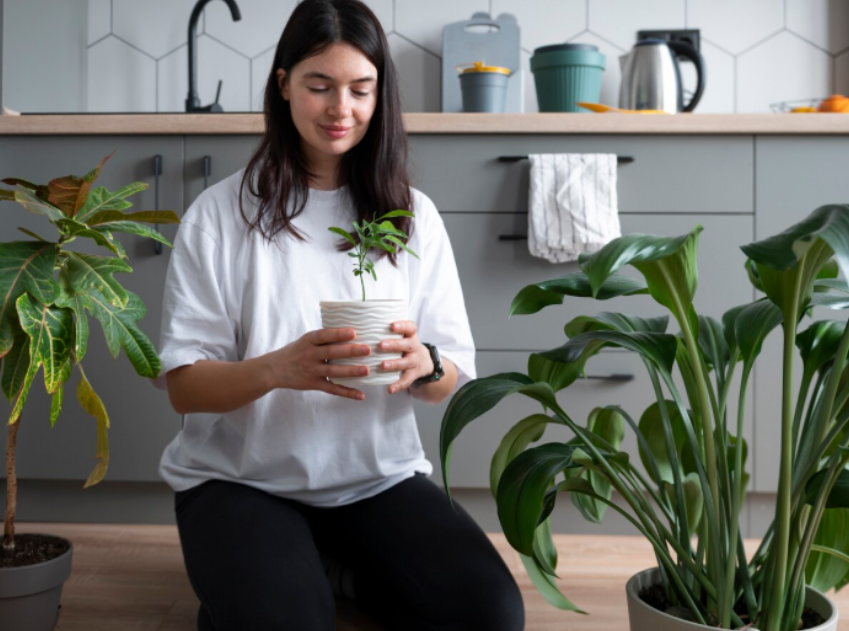
Your home has a bigger say in your well-being than you might think. It can help you breathe easier, sleep better, and feel calmer. Or, without much noise, it can expose you to stale air, strong chemicals, wasteful habits, and rooms that never really let you relax.
The nice part? You don’t have to remodel the whole place. A few thoughtful swaps can cut utility costs, make your home feel better, and support your health day after day. Among those planning gardening projects, 68% say planting and gardening make them happy, and 65% believe it benefits their health and wellness. Honestly, that’s a pretty good reason to start right where you live.
Comprehensive Guide to Eco-Friendly Home Upgrades for Wellness
At their core, eco-friendly home upgrades are about lowering the stuff your body deals with every day: polluted air, irritating fabrics, harsh cleaning products, poor lighting, and unnecessary waste.
Here’s why it matters to you. The biggest wellness wins often come from boring, everyday changes. Not flashy ones. Cleaner air. Safer materials. Less clutter. Better rest. Let’s walk through the upgrades that can make your home healthier without turning your life upside down.
Integrating Healthy Home Improvements into Everyday Living
You don’t need a contractor for every improvement. Start small. Bring in air-purifying plants, swap conventional cleaners for toxin-free options, and use low-VOC paint when you refresh a room, cabinet, or thrifted piece of furniture.
For recovery days, adding a premium massage chair that is energy-efficient, long-lasting, and made with more thoughtful materials can make your wellness routine feel less like an occasional treat and more like a real part of home life. These healthy home improvements work best when they slide naturally into your routine, not when they become another abandoned weekend project.
Air Quality Boosters for a Greener Lifestyle
Cleaner air is one of those upgrades you can actually feel. Sometimes fast. HEPA filtration, improved ventilation, window plants, and washable curtains made from natural fibers can help reduce dust, odors, and airborne irritants without adding a cloud of synthetic fragrance.
Green roofs, plant shelves, and indoor greenery also bring nature closer while helping with heat and moisture. Once your air feels fresher, it makes sense to look at the materials closest to your skin.
Sustainable Living Ideas for Home Wellness
After air quality, turn your attention to the fabrics, furniture, lighting, and household systems you use every single day. The best sustainable living ideas are practical. They protect your health and reduce waste at the same time.
Chemical-Free and Sustainable Home Wellness Solutions
Begin with the soft stuff: bedding, towels, rugs, curtains, and upholstery. Organic cotton, linen, wool, bamboo, and certified natural latex are smart choices because these materials spend hours close to your body.
You also don’t need aggressive sprays to manage allergens. Wash bedding weekly, leave shoes by the door, use unscented cleaners, and choose real plant-based oils if you enjoy aromatherapy. Synthetic fragrance may smell “clean,” but your lungs may disagree.
Energy-Efficient Lighting & Smart Tech for Healthy Homes
Light quietly shapes your mood, focus, and sleep. Cool bright light at the wrong hour can keep your brain buzzing. Warm bulbs, dimmers, LEDs, solar outdoor lights, and timers can lower energy use while helping your body ease into rest.
A remarkable 73.94% of homeowners say they consider energy efficiency “a great deal” when planning projects. So smart thermostats, motion sensors, and lighting schedules are not just fancy extras. They’re practical tools when used well.
What to Prioritize First
Once you’ve handled textiles and energy-smart basics, you can add more focused wellness tools that support recovery without pushing your sustainability goals aside.
Green Lifestyle Changes for a Healthier Home Environment
Relaxation is not some bonus prize you earn after burning out. Lower stress supports sleep, mood, energy, and long-term health. That makes green lifestyle changes part of a real wellness plan, not just an environmental checklist.
Creating Indoor Wellness Retreats with Sustainable Practices
Pick one quiet spot. It doesn’t need to be Instagram-worthy. A corner for stretching, breathing, prayer, reading, or meditation is enough.
Keep it simple: a natural-fiber mat, low-VOC paint or finish, one healthy plant, gentle lighting, and storage that hides visual clutter. Trust me, a basket can do emotional heavy lifting.
Sound matters too. Nature sounds, or white noise, can soften traffic, barking dogs, or household chaos. Just choose rechargeable devices when possible and turn them off when you’re done.
Sustainable Kitchen & Bathroom Upgrades for Home Wellness
Kitchens and bathrooms are busy rooms. They use a lot of water and create plenty of waste. Low-flow showerheads, faucet aerators, refillable soap, shampoo bars, bamboo toothbrushes, and compost bins can make daily routines cleaner and less wasteful.
For counters, shelves, or small updates, look at reclaimed wood, recycled glass, or responsibly sourced stone. Once your water use and waste habits are under control, you can stretch the impact by bringing more nature indoors.
Outdoor-Indoor Flow: Bringing Nature Inside
Herbs, edible plant walls, and vertical gardens make green living useful, not just pretty. Basil on the windowsill or mint near the sink can nudge you away from another packaged item. Small thing, big ripple.
Outside, reclaimed deck boards, secondhand planters, and rainwater collection for garden use add value without creating more waste. These choices make eco-friendly home upgrades feel personal, visible, and honestly more fun.
Next-Generation Trends in Eco-Friendly Home Wellness
Once your home feels more connected to nature, you can start thinking about what’s next. Smarter systems and better-designed products are making home wellness tips easier to follow without adding clutter or guilt.
Smart Green Home Innovations You Can Adopt Today
AI-driven home systems can adjust temperature, lighting, humidity, and energy use based on your habits. The point is not to make your house feel like a spaceship. The point is to make healthy choices easier in the background.
Wearables can also work with lighting and thermostats. Your bedroom can cool down before sleep or brighten gradually in the morning. Used with intention, technology can support comfort without wasting power.
Circular Economy Furnishings and Better Buying
Furniture made from recycled plastic, reclaimed wood, or upcycled metal can look sharp and last for years. The trick is to buy fewer things, choose better quality, and repair what you already own.
Look for clear material information, take-back programs, and repair-friendly policies. When you support responsible brands, your impact reaches beyond your living room.
Community-Centered Wellness Upgrades
A greener home does not have to be a lonely project. Community gardens, tool libraries, shared composting, and neighborhood repair events can save money while cutting waste.
Borrowing a carpet cleaner or pressure washer once a year makes more sense than buying one and letting it collect dust forever. Now, let’s talk upkeep, because even good upgrades need care.
Essential Maintenance & Upkeep for Long-Term Sustainable Living
Good improvements can lose their value when ignored. Seasonal maintenance keeps healthy home improvements working and helps prevent mold, allergens, moisture damage, and toxic buildup before they become expensive headaches.
Seasonal Checklists for Healthy, Eco-Friendly Home Care
In spring, clean vents, check window seals, wash curtains, and look for moisture. In summer, control humidity, shade sunny windows, and water plants early so less evaporates.
In fall and winter, replace filters, inspect weather stripping, and keep bathrooms dry after showers. These small checks protect your health and your wallet. Not glamorous, but very worth it.
Measuring Wellness & Eco Impact at Home
Pay attention after each change. Are you sleeping better? Sneezing less? Spending less on energy or water? Does your home smell fresher?
Air-quality monitors and water test kits can help, but don’t make it complicated. If bills drop, rooms feel calmer, and daily routines get easier, that’s meaningful progress.
Replacing, Recycling, and Upcycling Old Wellness Products
Before you toss something, pause. Can it be repaired, donated, recycled, or reused? Old cotton towels can become cleaning rags. Glass jars can store pantry items. A tired basket might get a second life in the laundry room.
When you track improvements in air, water, and energy, you turn good intentions into something you can actually see.
Final Thoughts on Building a Healthier, Sustainable Home
The most useful home wellness tips are usually simple: cleaner air, safer materials, better lighting, less waste, and rooms that help you breathe a little deeper. Start with one room, one habit, or one product swap. Then keep going.
These sustainable living ideas can lower costs, support your health, and make your home feel easier to enjoy. You don’t need a dramatic makeover. You need steady choices that fit real life.
FAQs on Eco-Friendly Home Wellness
1. What are some examples of an eco-friendly lifestyle?
Fast wins include eating less meat, choosing regional or seasonal food, drinking tap water, and cutting food waste. Fly less; use bikes or public transport when possible. Reduce plastic and microplastics with reusable items, minimal packaging, and natural fibers.
2. What can you do to make your home environment healthier?
Dust is a reservoir for allergens from pests, harmful chemicals, and settled air pollution. Vacuum often, don’t smoke indoors, avoid candles and incense, choose safer furniture and carpets, and properly vent fireplaces and wood stoves.
3. Which eco-friendly home upgrades offer the best return?
Air sealing, insulation, LED lighting, low-flow fixtures, HEPA filtration, and efficient appliances usually deliver strong value. They can lower bills, improve comfort, and support better air or water quality without requiring a full renovation.