Extending the Life of Cordless Appliances: Tips for Businesses and Consumers
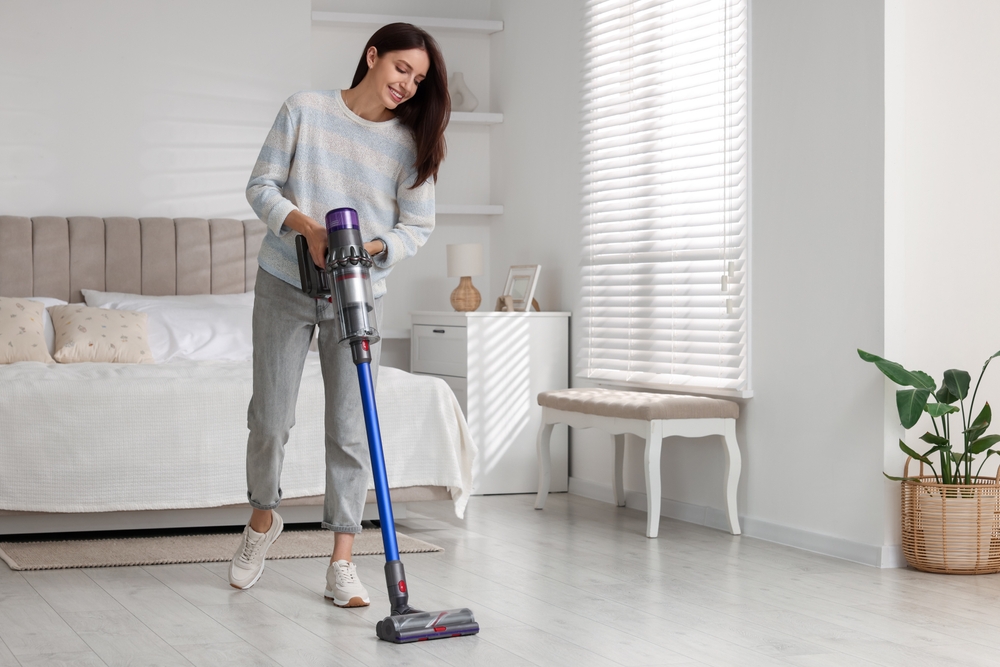
Have you ever kept a cordless vacuum in storage because its battery no longer holds a charge, even though the rest of the appliance still works? It is a common frustration in homes and small businesses, where replacing an entire device can seem easier than figuring out what has gone wrong. Over time, rechargeable batteries lose capacity, meaning they may run for less time or need charging more frequently. However, everyday charging and storage habits can influence how well a battery performs over its lifespan.
Understanding when to maintain a battery, when to replace it and how to dispose of it responsibly can help you get more value from your cordless appliances. This guide explains how batteries age, practical ways to care for them and how to reduce unnecessary electronic waste.
Why Cordless Appliances Wear Out
Most cordless vacuums, tools and handheld cleaners run on lithium-ion batteries. These packs lose capacity gradually with every charge cycle, and they age faster when they are hot, fully drained or stored badly. You usually notice it as shorter runtime, weaker suction or power, or a pack that never seems to reach a full charge.
The appliance itself often outlasts the battery by years. That is good news, because a battery is the most replaceable part of the product. Understanding what shortens its life is the first step toward making it last, and often the cheapest way to keep a good appliance running.
Everyday Habits That Help Batteries Last
Small routines add up over months and years. Try these:
- Avoid heat: do not leave the appliance in a hot car, a sunny window or next to a heater
- Avoid full drains: recharge before the battery is completely empty when you can
- Use the right charger: the one supplied or a properly matched replacement
- Store sensibly: keep it in a cool, dry spot at a partial charge if it will sit unused for weeks
- Charge in a safe place: on a hard surface, away from flammable materials
Following even a few of these can slow capacity loss. None of them will stop ageing completely, but they help your battery spend its life doing useful work instead of coping with stress.
Keep the Appliance Itself in Good Shape
A tired battery is not always the real problem. A clogged filter, a hair-wrapped brush bar or a blocked nozzle forces the motor to work harder and drains the battery faster. Cleaning and checking these parts regularly can restore performance and extend runtime without touching the battery.
Check the contacts and charging port for dust or damage, and wipe them gently with a dry cloth. If the appliance seems to lose power only with certain attachments, look at those parts first. A five-minute check is a sensible habit before assuming a battery needs replacing.
When a New Battery Beats a New Appliance
If cleaning and charging habits do not resolve the problem, replacing the battery may be worth considering. Before buying one, check your vacuum’s model number, battery voltage and connector type to avoid compatibility issues.
For example, RHY offers a range of replacement Dyson batteries, with listings organised by model and part number. Its product information includes lithium-ion packs in different voltage options, including 21.6V and 25.2V, along with battery management protection against overcharging, over-discharging and short circuits. These details illustrate why checking the specifications is important when comparing replacement options.
However, the listed minimum order is 100 units, making this range more relevant to trade buyers, such as repair businesses, than to someone replacing a single household battery. Individual buyers should confirm minimum order quantities before purchasing. Whichever supplier you choose, check the return policy, warranty terms and compatibility with your appliance, as using a non-original battery may affect the manufacturer's warranty.
The Waste Side of the Story
Every appliance thrown away carries an environmental cost. The U.S. Environmental Protection Agency reports that about 2.2 million tons of small appliances were generated in the municipal waste stream in 2018, with 5.6 percent recycled and 75.9 percent landfilled. Keep the limits in mind: that is a figure for all small appliances, not just cordless ones, it reflects 2018 data, and the page does not say how many were discarded because of a battery fault.
Even so, it shows how rarely small appliances are recycled. Repairing instead of replacing keeps products working longer, and recycling old batteries through a proper collection point stops them ending up in household bins, where they can cause fires.
Tips for Businesses and Fleets
Businesses with many cordless units can save money and avoid downtime with a simple system. Follow these steps:
- Label each battery and appliance with a number and purchase date.
- Keep a simple log of faults, repairs and replacements.
- Train staff on charging, storage and cleaning routines.
- Rotate units so one set of batteries does not take all the heavy work.
- Keep a spare or two on hand for busy periods.
- Plan for recycling by agreeing on a collection point for retired batteries.
A log like this also shows which models fail early, which helps you decide what to buy next time.
Conclusion
Cordless appliances last longer when you treat the battery as a part that needs care, not a sealed unit that simply dies. Avoid heat and full drains, keep filters and brushes clean, and use the right charger.
When a battery does fade, compare replacement options on model, voltage and warranty before you buy, and recycle the old one properly. Whether you run a household or a fleet of vacuums, these habits save money, reduce waste and keep your equipment working for years longer than you might expect.