Hisar Intercontinental Hospital Expands Advanced Cancer Care for International Patients
.webp)
Cancer treatment is a multistep process and involves several specialists, diagnostic tests and treatment methods. For patients looking for cancer care abroad, coordinating these services can make an already difficult experience even harder. This involves understanding diagnosis, comparing treatment options, and planning a stay abroad.
Hisar Intercontinental Hospital in Istanbul, Turkey, offers oncology and oncohematology services, along with diagnostic and treatment facilities. Its integrated oncology services cover several stages of cancer care, from diagnosis and treatment to supportive and palliative care. The hospital also provides dedicated support for international patients seeking medical assessment and treatment.
What Cancer Care is Available at Hisar?
Cancer treatment depends on the cancer type, its stage, and the patient's overall health. Some patients need surgery, while others may require medication, radiotherapy or a combination of treatments.
According to its official oncology information, Hisar provides several cancer-related services, including:
- Medical oncology and radiation oncology
- Oncological surgery and interventional oncology
- Hematological oncology and pediatric hematology and oncology
- Oncological diagnosis and medical genetics
- Nuclear medicine, supportive care and palliative care
These services address different needs throughout the cancer-care process. Having these services in one hospital helps patients access relevant specialties without arranging every part of their care independently.
However, the appropriate services depend on each patient's diagnosis and clinical requirements. Not every patient needs every department or treatment option.
A Multidisciplinary Approach to Cancer Treatment
Cancer treatment decisions often require input from multiple medical specialties. A surgeon may assess whether an operation is appropriate, while a medical oncologist considers drug-based treatments. A radiation oncologist may evaluate whether radiotherapy could benefit the patient.
Pathology reports, imaging results and previous treatment records also influence these decisions. The team must consider the cancer's characteristics, the patient's general health and the potential benefits and risks of available options.
Hisar's medical oncology department coordinates with medical oncologists, surgeons, and radiation oncologists as needed. Its care approach also involves chemotherapy nurses, radiologists, oncology psychologists, and nutrition specialists.
This approach can help address treatment-related concerns alongside the cancer itself. For example, patients receiving chemotherapy may need support with nutrition or managing complications.
A multidisciplinary approach does not mean every patient automatically requires a formal tumor-board review. The specialists involved and the decisions needed depend on the individual case.
Diagnostics and Treatment Technologies
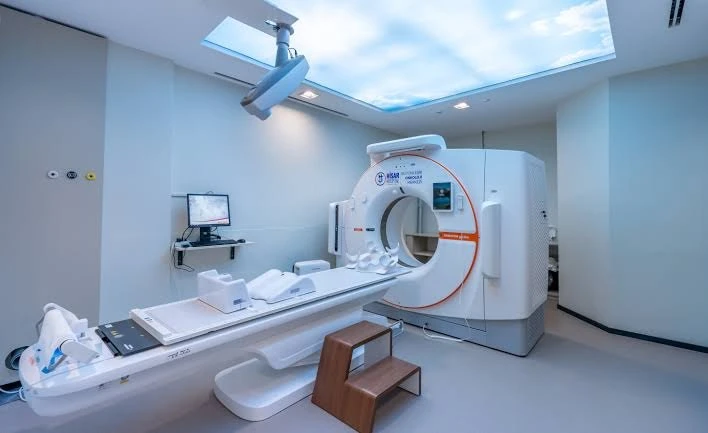
Accurate diagnosis helps doctors select appropriate treatments and assess how a cancer responds over time. Hisar lists PET-CT among its oncology diagnostic technologies.
PET-CT
PET-CT combines positron emission tomography with computed tomography. It provides information about activity within the body alongside detailed anatomical images.
Doctors can use these findings to assess cancer spread, plan treatment, and investigate possible recurrence. Whether a patient needs PET-CT depends on the cancer type and clinical assessment.
MR-LINAC
Hisar also lists the Elekta Unity 1.5 Tesla MR-LINAC among its technologies. This system combines magnetic resonance imaging with radiotherapy equipment. It allows clinicians to monitor the target area during treatment and adjust radiation delivery when clinically appropriate.
MR-LINAC is one example of the hospital's cancer technology. Its suitability depends on the diagnosis and treatment plan. The technology does not replace other cancer treatments or guarantee better outcomes for every patient.
Oncohematology and Complex Blood Cancers
Blood cancers require specialized assessment because they affect blood cells, bone marrow or the lymphatic system. Examples include leukemia, lymphoma and multiple myeloma.
Hisar's hematology services cover conditions affecting the blood and bone marrow. The hospital also lists HLA typing, apheresis, cryopreservation and stem cell processing among its facilities.
These services are relevant for patients being evaluated for certain blood disorders and stem cell transplantation. HLA typing helps assess tissue compatibility when a donor transplant is being considered. Apheresis can collect stem cells from circulating blood, while cryopreservation allows collected cells to be stored.
Hisar also confirms that it offers bone marrow and stem cell transplantation. These procedures may be considered for selected malignant and non-malignant blood, bone marrow and lymphatic disorders.
Transplantation is not suitable for every patient with a blood cancer. Eligibility depends on the diagnosis, disease status, overall health and other clinical factors. Donor compatibility and treatment risks also require careful assessment.
International patients considering transplantation should request an individual review before making travel arrangements. The hospital's medical team must determine whether the procedure is appropriate for their circumstances.
What International Patients Need Before Traveling
International patients can reduce avoidable delays by gathering their medical information before traveling. Hisar's international patient services include assistance with medical appointments, interpretation, accommodation guidance and follow-up arrangements.
Patients seeking an initial assessment should prepare the following records where available:
- Pathology reports and biopsy results
- Recent imaging reports and scans
- Blood tests and other relevant laboratory results
- Previous treatment details, including medications and chemotherapy
- Discharge summaries and reports from previous specialists
- A list of current medicines and relevant medical conditions
Complete records help doctors understand the diagnosis and evaluate possible next steps. Additional tests may still be necessary after the initial review.
Hisar's international patient information also describes second opinions and remote consultations. Patients can contact the hospital's international office to discuss the documents required for their case.
Before traveling, patients should request information about the proposed assessment, expected treatment schedule, estimated costs and likely length of stay. They should also discuss follow-up arrangements, particularly when treatment requires repeated visits.
Why Access to Coordinated Cancer Care Matters When Traveling Abroad
Cancer treatment abroad involves more than choosing a hospital. Patients may need help arranging appointments, understanding medical advice and coordinating their return home.
Hisar's international patient team offers support with airport transfers, interpretation, accommodation and hospital admission. The hospital also describes assistance with discharge and follow-up care.
These services can help patients and accompanying family members manage practical arrangements during treatment. However, travel support does not replace medical assessment or guarantee that a particular treatment will be offered.
Patients should also ask how their medical information and follow-up plan will be shared with their doctors at home. This is especially important when treatment continues after they return.
For people considering cancer treatment in Turkey, Hisar Intercontinental Hospital offers specialist assessments in oncology and oncohematology. Reviewing medical records before travel can help clarify which services may be appropriate.
International patients can contact the hospital's international patient team to submit their available records and discuss an initial assessment. A treatment plan should follow an individual medical review, with decisions based on the patient's diagnosis, needs and clinical suitability.