Home Generator Cost Breakdown: What You Really Pay For
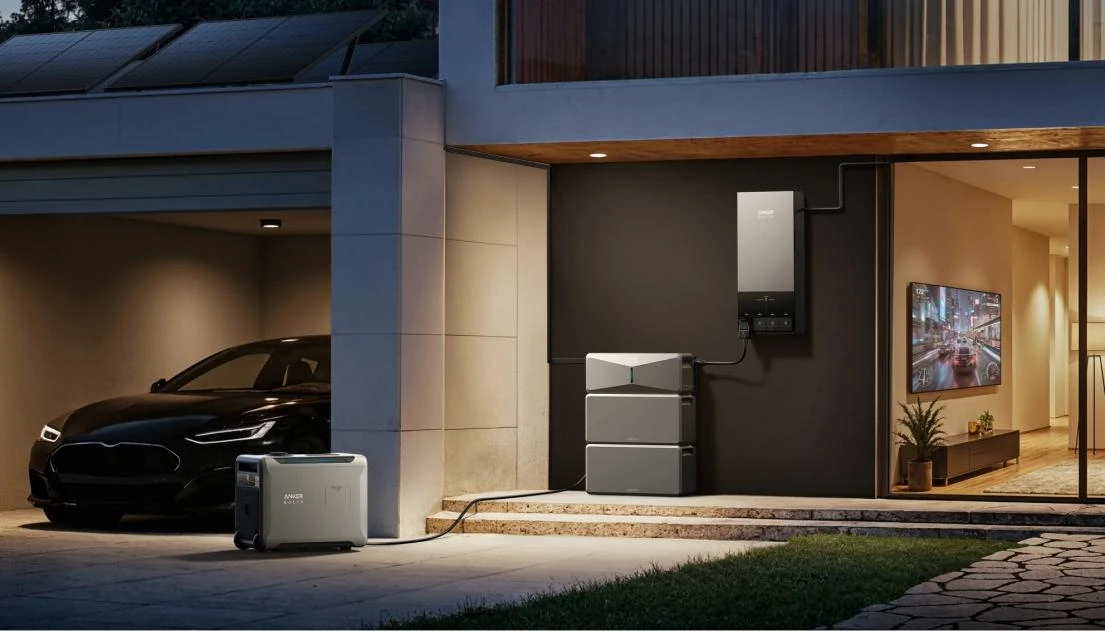
Home generator cost includes far more than the sticker price of the unit itself. Homeowners usually pay for equipment, installation, electrical upgrades, fuel setup, maintenance, and occasional repairs over the system’s life. Understanding each cost category helps you budget accurately and choose a backup power solution that fits your needs without overspending. A smaller system for essentials costs less than a whole-home setup, but both involve ongoing expenses after purchase. Looking at total ownership cost, not just initial price, gives a clearer picture of what reliable backup power really requires.
What Makes Up the Total Cost of a Home Generator
Generator Equipment Determines the Starting Cost
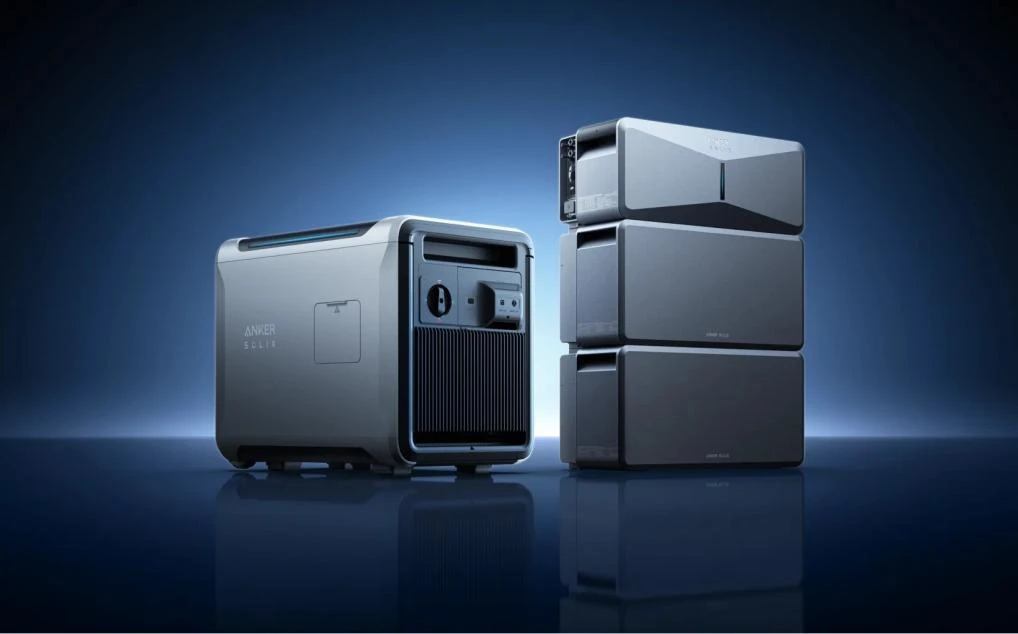
The generator itself sets the baseline for your budget. Homeowners researching how much is a generator should look beyond the equipment price and consider power output, fuel type, runtime capability, noise control, and overall build quality. Portable units usually cost less than permanently installed standby systems, while larger whole-home models command higher prices because they support more circuits and appliances. Battery-based backup systems can also change the equation. Great solar generators like the Anker SOLIX E10 use high-efficiency solar panels and large solar battery storage to generate and store electricity without fuel, which can reduce some ongoing energy-related expenses.
Installation Adds Important Setup Expenses
Installation often represents a major share of total generator cost. A permanent home generator usually requires site preparation, a concrete or composite pad, mounting, electrical connections, system testing, and local code compliance. Labor charges increase when installers face long wiring runs, limited access, or more complex panel configurations. Permits and inspections can add more to the bill. Even when generator equipment seems affordable, professional installation is what turns it into a safe, dependable backup system that operates correctly during an outage.
Accessories and Backup Features Affect Final Pricing
Optional features can raise the final price quickly. Weather enclosures, cold-weather kits, sound reduction upgrades, remote monitoring, extended warranties, and load management modules all add cost. Some homeowners also choose surge protection, security accessories, or expanded battery storage to improve performance and convenience. These upgrades may not be essential for every property, but they can improve reliability and usability during outages. The more tailored your backup system becomes, the more the total project cost reflects those added capabilities and protections.
Hidden Costs Homeowners Should Consider Before Buying
Electrical Work and Transfer System Requirements
Many homes need electrical upgrades before a generator can work safely. Costs may include panel modifications, dedicated circuits, grounding improvements, and either a manual or automatic transfer system. An automatic transfer switch adds convenience because it starts backup power without homeowner intervention, but it also increases installation cost. Older homes may need more extensive rewiring to meet code and support the generator load properly. These electrical requirements are easy to overlook at first, yet they often have a meaningful effect on final project pricing.
Fuel Supply and Operating Costs Over Time
Fuel is one of the most important long-term ownership expenses. Gasoline, propane, and natural gas systems each carry different operating costs based on local pricing, runtime, storage needs, and efficiency. A larger generator burns more fuel, especially under heavy loads or during extended outages. Propane tank installation or natural gas line work may add upfront expense before operation even begins. Battery-based systems avoid fuel purchases, which changes the long-term cost profile and can make them attractive for homeowners who want quieter, lower-maintenance backup power.
Maintenance Needed for Reliable Performance
Reliable backup power requires ongoing maintenance, and those costs should be part of your budget from the start. Traditional generators need oil changes, filter replacements, battery checks, periodic inspections, and test runs to ensure they start when needed. Service intervals become especially important after long outage events. Homeowners who skip maintenance may face poor performance or expensive repairs later. Even cleaner backup systems still need routine checks on connections, stored energy health, and software or monitoring functions to keep the system operating properly.
How to Evaluate the Real Value of a Home Generator
Match Generator Costs With Your Backup Needs
The best way to control generator cost is to size the system around what you actually need to power. Start by listing essential loads such as refrigeration, lighting, medical devices, internet equipment, heating components, or a sump pump. A whole-home system offers broad coverage but costs more to buy, install, and operate. If you only need emergency power for critical circuits, a smaller setup may deliver better value. Matching capacity to real priorities helps prevent paying for unnecessary output and features.
Compare Upfront Investment With Long-Term Benefits
A higher upfront price can still make financial sense when the system delivers dependable performance over many years. Reliable backup power may help protect food, prevent water damage, support remote work, maintain comfort, and reduce disruption during outages. Lower operating costs and easier maintenance can also improve long-term value, even if purchase price starts higher. Instead of focusing only on initial equipment cost, weigh total ownership expense against the practical protection and convenience the system provides to your household over time.
Consider Flexible Backup Options for Future Needs
Flexible systems can offer better long-term value because household energy needs often change. You may add appliances, work-from-home equipment, or expanded backup priorities later. Choosing a solution that can scale with added storage or solar input can help avoid a full replacement down the road. Great solar generators like the Anker SOLIX E10 can fit this approach by supporting cleaner backup power without fuel dependence. Planning for future needs now helps you spend more strategically and keep your backup setup useful for longer.
Conclusion
Home generator cost is the sum of equipment, installation, electrical work, fuel or energy use, accessories, and maintenance over time. The real price becomes clearer when you look beyond the unit itself and evaluate total ownership. Homeowners who match system size to essential needs, account for hidden expenses, and compare long-term value make better buying decisions. Whether you choose a traditional generator or a battery-based alternative, understanding the full cost breakdown helps you invest in backup power with confidence.


.jpg)