How A Lenticular Design Guide Can Inspire Unique Interior Ideas
There are thousands of pages filled with images of interior designs that are not quite what you're looking for because everything looks too predictable. Nothing sticks out — it all feels flatter and less interesting than what you had pictured.
So, you go with the obvious choices instead. You choose a different color scheme, you buy some larger plants, or you change the layout, hoping the new setup finally feels different. But even after you have done that, something is still missing in the interior that will draw people's attention immediately.
And this is because of the static nature of flat art pieces. A lenticular design guide offers a whole new set of interior design concepts because it has a totally different approach to designing art pieces.
The following article will explain five concepts of lenticular design and how you can apply them to create a unique interior.
1. Understanding Lenticular Printing Opens a New Decor Category
According to a lenticular design guide, lenticular printing makes use of a special lens made of plastic material that is marked by many small ridges that bend the light to create the effect of movement or depth through a single printed picture.
When it comes to interior design, the possibilities for wall art shift significantly — not just because of the artwork itself, but because how a room is used and how someone moves through it both change the way the picture appears.
After understanding the principle behind the technique, it becomes easier to imagine its possible applications. A hallway, an entrance, or an accent wall are natural spots for a piece that seems to come alive the moment someone walks in.
2. 3D Parallax Effects Turn a Flat Wall Into a Focal Point
The wall surfaces of any room are probably the hardest parts to beautify. Painting is not enough, and even traditional art, though beautiful, cannot keep the attention of its viewers for more than a couple of seconds.
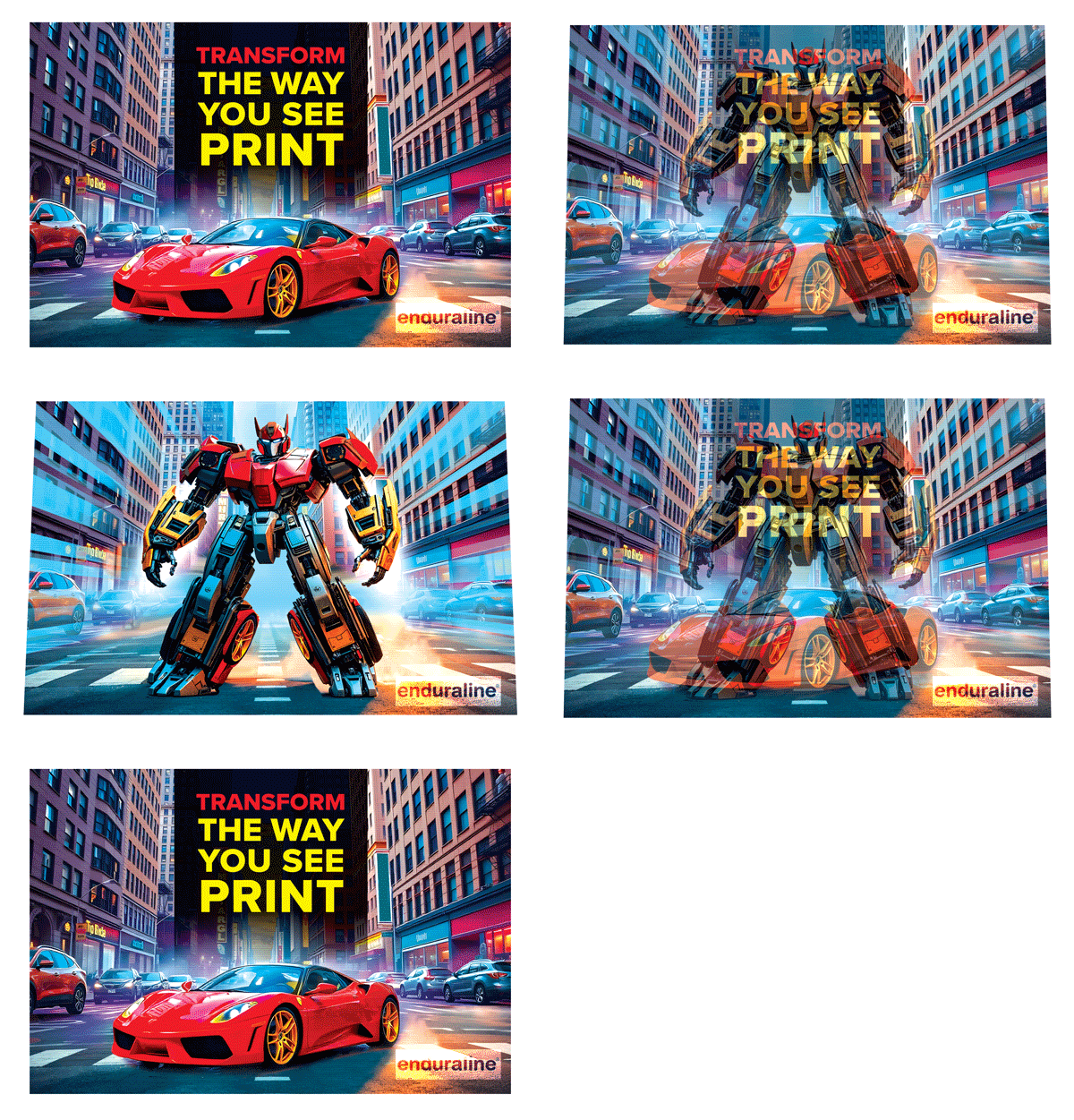
A 3D lenticular print offers a solution to this problem by using parallax that creates an illusion of movement and separation of design elements in response to the position of the observer's head. Up to fifteen layers of depth can be used in one picture, with one of them being the main one where text, a logo, or a central image is usually placed.
This layering effect brings the wall surface to life. It stops looking like a picture on the wall and starts looking like a small scene with real depth — which is exactly what draws the eye in a room.
3. Motion and Zoom Effects Add Movement Without a Screen

Some spaces would be perfect if they had some motion, without having to incorporate a digital screen into their walls. Motion and zoom effects will give you all of this, creating the illusion of motion from a sequence of images on a single panel, so the picture appears to change as the viewer looks at it.
The zoom effect creates an elegant illusion using just the first and last image in the sequence, making it look as if something is moving toward the viewer or pulling away. The motion effect works best when the background stays constant and only certain objects appear to move.
This way you can make a space dynamic without playing around with lights or electronics. A single print panel replaces a whole digital screen.
4. Lenticular Printing Design Principles Translate Into Smarter Placement
Lenticular art comes with its own set of dos and don'ts — one more thing to factor in when deciding where a piece should go around the house. A light or minimal background tends to cause ghosting, where the two images blur into one another instead of switching cleanly. Bold colors and full-frame coverage help avoid this, which is why these prints tend to perform best in well-lit rooms.
Overlapping design elements create a stronger sense of depth, which is why these pieces work best in rooms with layered furniture, shelves, or architectural details rather than plain, open walls.
Keeping these basic rules in mind will help you find the right spot for the piece, rather than forcing a piece into a spot that doesn't suit it."
5. Lens Direction Determines Wall Art vs. Tabletop Accents
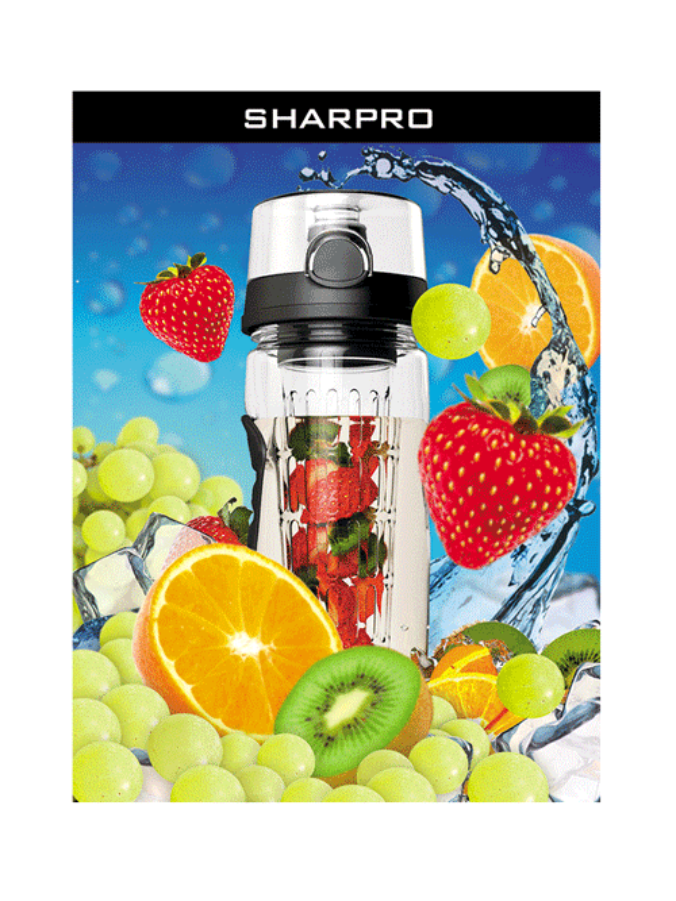
Not all lenticular art pieces require the same way of exhibiting. The orientation of the lenses determines how a piece should be displayed — as wall art or as a handheld accent.
Horizontal orientation works well for handheld and table-top pieces, such as journals, framed art, or decorative cards, where the effect works with the tilting of the piece by the viewer in their hands. In contrast, vertical orientation works well for fixed wall art pieces where the effect is produced by walking past the art piece.
This helps buyers avoid picking the wrong piece for their space. For example, someone buying a piece to hang on the wall needs a different one than someone buying it for handheld use.
Depth and Motion Belong in Every Design Toolkit
Interior design is not confined to just painting and the arrangement of furniture. Lenticular printing opens up a new dimension of possibilities built around depth and movement, all shaped by how people move through a space.
With 3D parallax walls and zoom effects, every format offers a new avenue of interior décor, which is simply impossible through static designs. Depth and movement give rise to an altogether new world where plain walls become the most intriguing aspect of the room.