How Are New Materials Changing the Future of Pet Food Packaging?
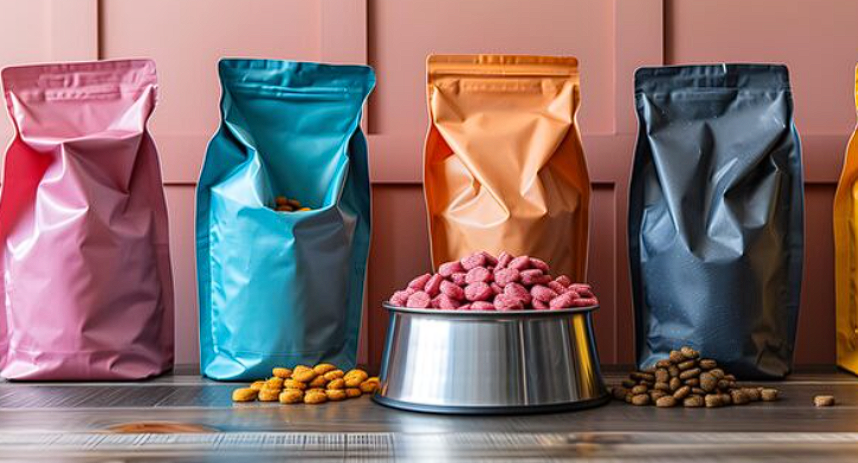
New materials are changing pet food packaging by reducing material complexity, improving protective barriers, and creating options for recycled content. For manufacturers, the challenge is making these changes without compromising freshness, safety, or production reliability.
A package must work beyond the store shelf. It needs to withstand shipping, protect its contents, and fit the disposal systems available to customers. The EPA’s recycling guidance notes that plastic bags and wraps generally cannot go into curbside recycling bins. That distinction matters: a package designed for recycling still needs an accessible collection route.
The future depends on matching better materials with practical performance requirements, rather than choosing a package based on appearance alone.
Why Does Pet Food Need Different Packaging Materials?
Pet food packaging must address the specific demands of the product inside. Dry kibble needs protection from moisture and oxygen. Fatty treats require resistance to grease and oxidation. Shelf-stable wet food needs packaging compatible with its validated preservation process.
For brands evaluating rigid formats, Greiner pet packaging includes cups, tubs, lids, and retort barrier options. These formats illustrate why material selection must account for both food protection and how customers open, serve, and store the product.
Replacing an existing package therefore requires more than selecting a different resin. Brands should assess the food’s composition, processing temperature, target shelf life, and distribution conditions before comparing alternatives.
How Are Mono-Material Designs Changing Packaging?
Traditional flexible packaging often combines materials with different jobs: one layer provides strength, another blocks oxygen, and another supports sealing. Those combinations can be difficult to separate during recycling.
Mono-material designs center the package on one polymer family, such as polyethylene or polypropylene. They may still contain multiple layers, coatings, or adhesives. The goal is a structure compatible with a defined recycling process.
For pet food brands, this creates an opportunity to simplify material combinations while retaining necessary protection. However, a mono-material label does not guarantee local collection or successful recycling.
The entire package matters. A zipper, lid, label, or adhesive can affect sorting and processing. Brands should evaluate the finished package, including every component, rather than treating the main film or container as the complete solution.
What Do New Barrier Materials Make Possible?
Barrier materials slow the movement of oxygen and moisture through packaging. Their performance matters because exposure can affect flavor, texture, and product stability.
Newer coatings and revised layer structures give manufacturers more ways to balance protection with material simplicity. The practical question is whether the proposed barrier performs throughout processing, transportation, and storage.
Wet food presents a demanding example. Retort processing exposes a sealed package to heat, requiring the container, barrier, and seal to remain functional together. A material suitable for dry treats may be unsuitable for this application.
Testing should reflect realistic conditions. Brands should examine seal strength, oxygen transmission, moisture transmission, and damage after shipping simulations. A promising material becomes a credible replacement only when the finished package meets the product’s requirements.
Can Recycled Plastic Be Used Safely?
Recycled content offers a route to reducing dependence on virgin plastic, but food-contact suitability requires specific evidence. A recycled resin is not automatically appropriate for every pet food application.
The FDA’s guidance on recycled plastics in food packaging identifies concerns involving contaminants, source materials, and substances used in the plastic. Its review considers the recycling process and proposed conditions of use.
Manufacturers should request documentation covering the intended food contact, temperature, and contact duration. They also need to check consistency between batches, including odor, color, and mechanical performance.
The useful purchasing question is specific: does this material meet the requirements for this product and process? A recycled-content percentage alone cannot answer it.
Where Do Paper-Based and Bio-Based Materials Fit?
Paper-based structures can reduce plastic content in selected formats. For example, a cardboard sleeve can provide support around a thinner plastic container. The benefit depends partly on whether the components separate and enter appropriate recycling streams.
Paper also needs suitable protection when exposed to grease or moisture. Coatings that provide that protection may affect recycling compatibility, so brands must assess the complete structure.
Bio-based plastics introduce another distinction. Their feedstock may come from renewable sources, but that does not automatically make the finished package biodegradable or compostable.
Brands should keep claims precise. “Bio-based,” “recyclable,” and “compostable” describe different attributes and require different evidence. Clear disposal instructions help customers understand what to do after feeding their pets.
How Should Brands Choose Their Next Material?
A practical material assessment should answer four questions:
- Protection: Does the package maintain safety and quality throughout its intended shelf life?
- Production: Does it seal consistently on existing equipment at workable speeds?
- Distribution: Can it withstand stacking, drops, vibration, and temperature changes?
- Disposal: Is there a realistic collection and processing route where it is sold?
Compare total costs, including equipment adjustments, testing, rejects, and damaged products. Lower material weight has limited value if package failures increase food waste.
Before committing to a full conversion, run a controlled production trial and review stored samples. This helps identify sealing problems, handling damage, or changes in food quality before wider rollout.
Conclusion
New materials are giving pet food brands more choices, but the greatest improvements connect food protection, manufacturing performance, and realistic disposal. Progress comes from verified results: less unnecessary material, reliable barriers, suitable recycled content, and clear instructions that customers can follow.
Frequently Asked Questions
Is mono-material packaging always recyclable?
No. Recycling depends on the complete package, local collection rules, sorting capabilities, and available processing systems. Using one main polymer can support recycling compatibility, but it does not guarantee acceptance.
Can paper packaging replace plastic for wet pet food?
Not automatically. Wet food requires moisture resistance and compatibility with its preservation process. Paper-based alternatives need suitable barriers and testing before replacing an established container.
Do new materials extend shelf life?
They can, when improved barriers reduce relevant exposure. Shelf-life claims must be confirmed through testing of the actual food and finished package under intended storage conditions.