How Businesses Can Reduce Equipment Damage in Transit
Equipment damage during transport can create costs that extend well beyond a repair bill. A damaged camera can delay a production, faulty audio equipment can disrupt an event, and broken specialist machinery can affect customer deliveries or manufacturing schedules. For businesses that regularly move valuable equipment, protection should be treated as part of the operational process rather than an afterthought.
A practical transport strategy starts with three questions: what could damage the equipment, how will it be secured, and how will it be handled between collection and delivery? The right case, suitable internal protection, clear handling procedures, and sensible storage can significantly reduce avoidable incidents.
For many organisations, the solution also needs to be reliable over repeated use. Equipment used for events, touring productions, photography, broadcasting, manufacturing, or field operations may be transported dozens or hundreds of times. A reusable protective system across those journeys can help control damage and reduce replacement costs.
Why Equipment Damage Is an Operational Problem
Equipment damage is often treated as a logistics issue, yet its effects can ripple across an entire organisation. Replacing a damaged item may be expensive, but the greater cost often stems from lost working time.
An event company arriving at a venue with damaged lighting equipment may need to source replacements at short notice. A production company could face delays if a camera, monitor or control system arrives damaged. A manufacturer moving specialist components between facilities may need to pause work while replacement parts are sourced.
There can also be administrative costs. Staff may need to report incidents, arrange repairs, contact suppliers, reorganise schedules and explain delays to customers. Repeated damage can indicate that the existing transport process is unsuitable for the equipment being moved.
This is why businesses should assess equipment protection alongside other operational controls. Prevention is generally easier to manage when it is built into the transport process from the start.
Choosing the Right Flight Case Box for Equipment
A suitable flight case can provide a dedicated protective enclosure for equipment that needs to be moved or stored regularly. Flight Case Warehouse is a UK supplier offering a wide range of flight cases for audiovisual equipment, lighting, broadcasting, music, rack-mounted equipment, tools, and events.
The key consideration is not just the size of the case. Businesses should assess the equipment's dimensions, weight, shape, fragility, and frequency of transport.
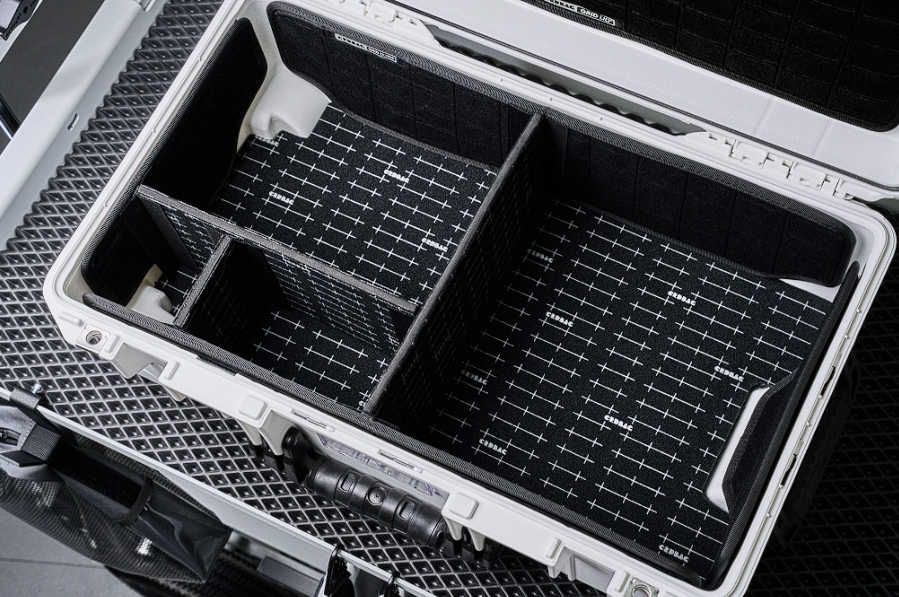
Internal protection matters just as much as the external case. Equipment that can move inside a case may still be exposed to impact, even if the outer enclosure remains intact. Foam lining or shaped internal protection can help keep equipment in the correct position during handling.
The case should also suit the way it will be used. Equipment that moves between warehouses and vehicles may require different features to equipment transported by production crews between venues. Handles, castors, latches and access arrangements can all influence how easily staff can move and handle the case.
The objective is simple: create a transport system that protects the equipment while remaining practical for the people responsible for moving it.
Assess the Main Risks Before Equipment Moves
Every transport process carries different risks. Businesses should identify them before choosing packaging or changing procedures.
Impact is one of the most obvious risks. Cases can be dropped, knocked against other items, or subjected to sudden movement during loading and unloading. Vibration can also affect sensitive equipment during vehicle journeys.
Pressure and stacking present another concern. Heavy items placed on unsuitable packaging can damage the equipment beneath them. A case should therefore be appropriate for the weight and handling conditions involved.
Moisture may also be a consideration, particularly for outdoor events, touring work, construction environments, and transport between different locations. Where exposure to water is a realistic risk, businesses should investigate protective cases with suitable environmental protection.
Storage creates separate risks. Equipment left in an unsuitable area may be exposed to dust, moisture, accidental impact, or poor handling. A good transport case can also provide a controlled way to store equipment between jobs, provided it is used and maintained correctly.
Standardise How Equipment Is Packed
A consistent packing process can reduce mistakes. When every team member packs equipment differently, important protective steps can be easily missed.
Businesses can create simple packing procedures for frequently transported equipment. These can specify where equipment should sit, which accessories should be removed, how cables should be secured and what internal protection should be used.
Labels can also improve handling. Clear identification can tell warehouse teams what is inside, where it needs to go and whether specific handling instructions apply. Numbering cases can be useful for businesses with large equipment inventories.
Standardisation becomes especially valuable for companies with multiple crews or locations. A consistent process means equipment does not depend on a single experienced employee to know how everything should be packed.
It also makes training easier. New staff can follow an established procedure rather than learning through trial and error.
Train Staff in Handling and Loading
Protective equipment cannot compensate for poor handling practices. Staff should understand how cases are meant to be lifted, moved, stacked and secured.
Heavy cases should be handled with appropriate equipment and techniques. Where cases have casters, staff should understand how and where they can be moved safely. During vehicle loading, cases should be positioned to minimise the risk of shifting in transit.
Vehicle restraint is particularly important. A protective case can reduce damage from external impacts, but unsecured cases may move or collide with other loads. The transport plan should therefore specify how each case will be secured for the journey.
Training need not be complicated. Short procedures, clear labels and regular reminders can help establish consistent handling standards across an organisation.
Inspect Cases and Equipment Regularly
Protective equipment itself needs attention. A case that has been heavily used should be inspected for damage before the next journey.
Staff can check latches, handles, hinges, castors and internal padding. Any component that is loose, broken or no longer functioning properly should be repaired before the case is used again.
The equipment inside should also be checked. Regular inspections can identify cracks, loose connections, damaged controls or other problems before they become more serious.
For organisations with large inventories, inspection records can help establish accountability. A simple record of when equipment was checked and transported can make it easier to identify recurring problems.
If the same equipment repeatedly arrives damaged, the answer may not be another repair. It may indicate that the packaging, case or transport procedure needs to change.
Consider the Full Equipment Lifecycle
Businesses often focus on the purchase price of equipment but overlook the cost of keeping it operational. Transport and storage should be integral to the equipment lifecycle plan.
A camera, lighting unit, laptop, mixer, or specialist tool can provide value for years if properly maintained and protected. Repeated impact, poor storage, and careless handling can shorten its useful life.
Protective cases can support a longer-term approach by providing a dedicated storage and transport solution for frequently moved equipment. This is particularly relevant for organisations whose equipment is integral to their revenue-generating operations.
The financial calculation should therefore include more than the initial cost of protection. Businesses can consider potential repair bills, replacement costs, downtime, lost bookings, staff time, and disruption when assessing the value of improved equipment protection.
Build Protection Into the Logistics Process
The most effective approach is to integrate equipment protection into logistics planning rather than add it only when a shipment is about to leave.
When purchasing new equipment, businesses can consider how it will be transported and stored from the outset. Procurement teams can involve operations and logistics staff in the decision so protective requirements are understood before equipment enters regular use.
For existing equipment, businesses can review which items travel most frequently and which incur the highest replacement or downtime costs. These assets are logical starting points for improved protection.
The same process can then be applied across the wider inventory. Over time, this can create a consistent system for packing, transporting, storing and inspecting valuable equipment.
For businesses operating across events, production, manufacturing, retail, photography and technical services, reliable equipment handling can directly affect operational performance. A damaged item is not simply a damaged asset. It can cause delays, unexpected costs or missed business opportunities.
Protect Equipment Before the Next Journey
Equipment damage is often preventable when businesses identify risks early and implement sensible procedures to address them. The combination of suitable protective cases, secure internal packing, safe loading, staff training, and regular inspections provides organisations with a practical way to reduce avoidable losses.
The right approach varies with the equipment and working environment. A photographer may prioritise protection for cameras and lenses, while an AV company may need to transport mixers, monitors and lighting equipment. Manufacturers may have different requirements for specialist components or tools.
What remains consistent is the need to treat valuable equipment as an operational asset. Protecting it during transport and storage helps businesses reduce disruption, control costs and keep teams working with the equipment they rely on.
A well-planned protection process is therefore more than a packaging decision. It is part of responsible equipment management and a practical investment in business continuity.
Photo by Andreas Näslund


.jpg)