How Businesses Manage Entry Without Added Staff
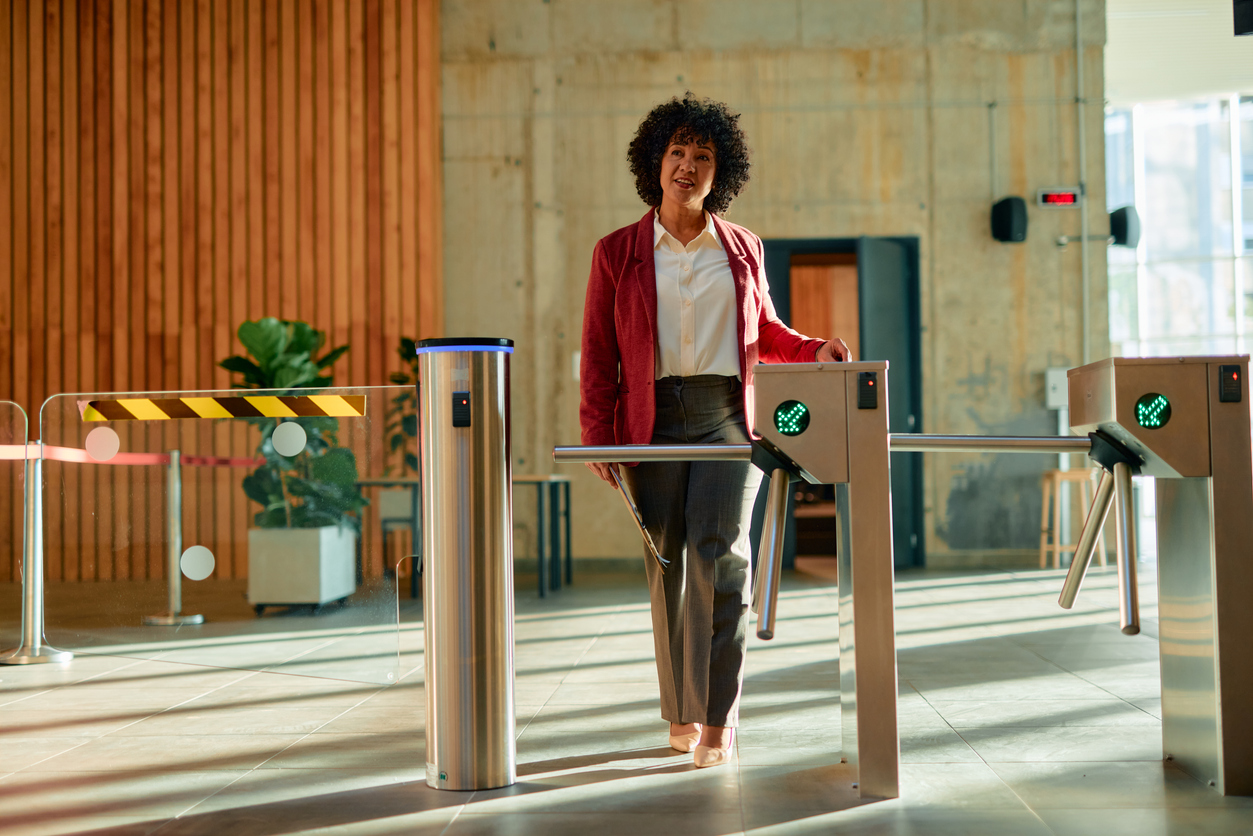
Managing entry points is no longer a labour-intensive function for construction projects, mining operations, retail service areas or public infrastructure. Sites that once depended on gate personnel now operate through integrated systems that apply access rules automatically, verify users instantly and provide continuous visibility from a central location. This shift allows organisations to maintain secure perimeters, control traffic flow and meet compliance requirements while directing staff towards operational and safety-critical roles.
Automating The Physical Entry Point
The most direct way to operate without permanent gate staff is to automate the barrier itself. Using automatic swing gate opener systems for controlled site access to allow authorised vehicles and pedestrians to move through defined entry points according to programmed permissions. Operating within a structured access control environment, the system applies consistent decision logic to every entry event, maintaining steady vehicle flow and predictable site security regardless of traffic volume or time of day.
For construction compounds and infrastructure projects, this ensures that early arrivals, after-hours access and programmed plant movements occur without waiting for a supervisor. The gate performs the same control function every time, reducing delays and removing the variability associated with manual operation.
Verifying Users Through Digital Credentials
Instead of visual checks or paper sign-ins, entry decisions are made through digital credentials that communicate directly with the control system. Swipe cards, PIN codes, mobile identifiers and number plate recognition confirm whether access should be granted before the barrier moves.
This process relies on authentication, where the presented credential is matched against stored authorisation data. In environments such as mining sites or council depots, access can be tied to inductions, training compliance or contractor timeframes. The result is an entry process that is immediate, consistent and independent of staffing levels.
Supervising Multiple Sites Remotely
Removing a physical gatekeeper does not remove oversight. Through remote monitoring, security and operations teams can view live entry activity, respond to alarms and manage permissions across multiple locations from a single interface. Intervention only occurs when an exception arises, allowing a small team to oversee a wide asset base.
For building management portfolios and supermarket distribution networks, this model maintains continuous control during weekends, shift transitions and public holidays without increasing personnel at each entry point.
Embedding Safety And Creating A Full Audit Trail
Automated entry systems incorporate safety sensors and presence detection to prevent barrier movement when vehicles or pedestrians are in the path of travel. Emergency release functions ensure that access points can be opened immediately when required, maintaining compliance with workplace safety expectations.
At the same time, every entry event is recorded in a digital audit trail, capturing the time, credential and direction of movement. This provides verifiable data for incident reviews, contractor management and regulatory reporting without the administrative effort associated with manual logs.
Aligning Access With Operational Schedules
Many facilities require controlled access only at specific times. Time-based access control allows entry points to lock and unlock automatically according to delivery windows, work schedules or public opening hours.
Roadworks sites can permit plant entry before traffic management begins, while retail loading zones can open exclusively for booked freight movements. These programmed schedules ensure that access reflects actual activity, removing the need for someone to manage the process manually.
From Manned Gates To Rule-Based Access
Businesses manage entry without adding staff by turning gate control into a structured, automated and centrally supervised function. Physical automation, credential-based verification, scheduled permissions and integrated safety systems maintain secure and predictable access while reducing labour dependency. The entry point continues to enforce site rules and provide full visibility, but it does so through programmed consistency rather than permanent on-site presence.