How Electric Bikes Are Reshaping the Way Canadians Move
Canadians don't sit still. Whether you're weaving through downtown Vancouver on a Tuesday morning or hitting gravel trails in Alberta on a Saturday, e-bikes have quietly become one of the most versatile transportation tools available. This guide covers what's driving e-bike popularity across Canada, which trends are gaining traction, what models stand out, and how to make a purchase you won't regret.
Why Electric Bikes Are Transforming Transportation in Canada
Let's be direct: the shift toward cleaner, smarter commuting isn't a trend anymore. It's a structural change, and Canada is right in the middle of it.
Only 1.4% of Canadians currently cycle to work. That number might sound discouraging, but flip it around, and it signals massive, untapped potential. Traditional bikes couldn't bridge that gap. Transit alone hasn't either. E-bikes, though? They're starting to.
Gas prices aren't going down. Parking downtown isn't getting cheaper. And honestly, the daily commute grinds people out. More Canadians are rethinking their routes entirely, and e-bikes are arriving at exactly the right moment.
Cities like Toronto, Vancouver, and Montreal are pouring serious money into cycling infrastructure, dedicated lanes, improved paths, and better signage. Provincial rebate programs and tax credits are adding financial incentives on top of that. When you stack lower fuel costs, reduced maintenance, and provincial support together, the math starts to look very different from what it did five years ago.
The conditions are aligned. Now let's look at what the actual numbers say.
Electric Bike Trends Canada: What's Driving Market Growth?
The market data here is genuinely interesting. Urban and city riding accounts for over 43% of total e-bike sales across Canada; that's the dominant category by a significant margin. But cargo and utility models? They're growing faster, with projected annual growth of 13.41% through 2031.
The buyer profile has also shifted considerably. It's no longer just young professionals picking up commuter bikes. Seniors are staying active longer. Families are running errands without a second car. Students are sidestepping packed transit cars. That demographic spread is exactly why retailers have more variety on their shelves than ever before.
Technology deserves credit here, too. Better batteries, refined motors, and genuinely useful app integration have made e-bikes far more dependable and far more affordable than the early models that gave some people pause. For riders who want reliable year-round performance through snow and rough terrain, a fat ebike canada model is becoming a natural consideration, precisely because versatility matters in this climate.
Best Electric Bikes Canada: Models That Stand Out
Several brands have established real credibility with Canadian riders. Aventon, RadPower, and Specialized consistently come up in conversations at shops and in rider communities alike.
For urban commuters, the sweet spot tends to be mid-step frames offering 50–70km of range. Lightweight enough to feel nimble in traffic, capable enough to handle longer routes without battery anxiety. That balance matters when you're navigating city infrastructure daily.
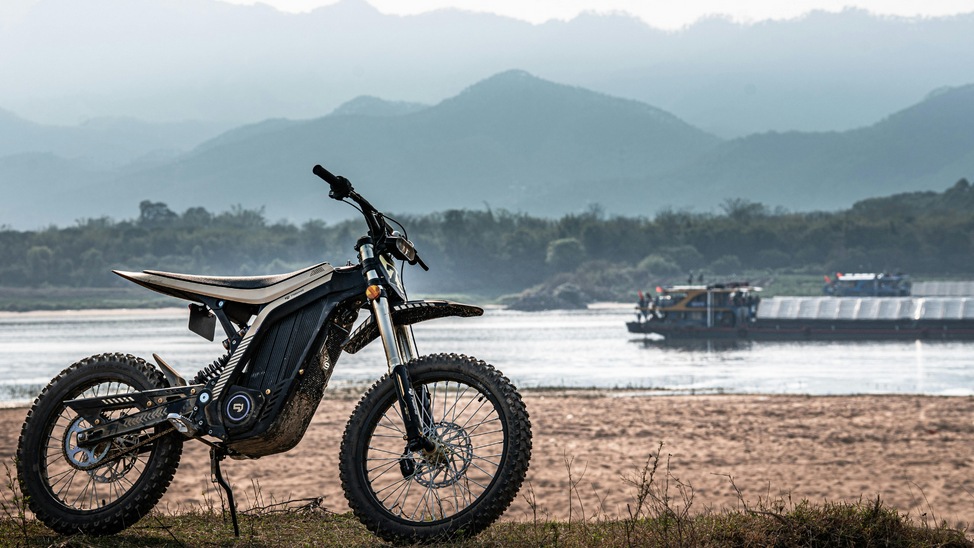
On the trail side, full-suspension mountain e-bikes are pulling serious interest from riders in BC, Alberta, and Ontario conservation areas. The capability gap between a standard mountain bike and an e-assisted one is significant, especially on technical climbs where stamina would otherwise become the limiting factor.
Knowing what's available is one thing. Actually buying smart is another challenge entirely.
Making the Smart Choice: How to Buy an Electric Bike in Canada
A few features deserve genuine scrutiny before you spend a dollar. Getting these right upfront protects you from expensive regrets later.
Battery range tops the list, especially in Canada. Cold winters reduce battery efficiency by 15–20%; that's not a minor variable. You want at least 50km of range, and more if you're commuting regularly through colder months.
Motor power matters too. A 500W–750W motor handles hills and headwinds across most Canadian terrain without breaking a sweat. If your route involves deep snow, unpaved roads, or genuinely rough surfaces, looking specifically at models marketed as fat ebike canada can make a meaningful practical difference. Wider tires change everything on unstable ground.
Don't treat hydraulic disc brakes, integrated lighting, and water-resistant frames as optional upgrades. In Canada's unpredictable weather, they're baseline requirements. Buying a bike without them in this climate is a short-term savings decision you'll likely reverse within a season.
The Future of E-Bike Popularity in Canada
The trajectory looks strong. According to Statista, Canada's e-bike market is projected to surpass $145 million CAD by 2026, fueled by environmental priorities and expanding government infrastructure investment.
New bike trail construction continues at a pace. Battery technology keeps improving. Retailers are already preparing for the next wave of riders with more specialized inventory, subscription service options, and enhanced after-sales support.
What's particularly telling is that demand is growing equally from urban centres and rural communities. That breadth of adoption means future models will keep balancing versatility with innovation, a combination that benefits every type of rider looking to buy an electric bike in Canada.
FAQs
Can electric bikes in Canada handle snow and winter?
Yes. Many fat-tire or fat ebike Canada-style models are built specifically for snowy conditions, with wider tires that improve traction and stability considerably on slippery surfaces.
What's the average price for the best electric bikes Canada offers?
A quality commuter e-bike starts around $2,000 CAD. Premium models and specialty options, cargo bikes, and fat-tire builds run significantly higher depending on specs and brand.
Do you need a license to ride e-bikes in Canada?
Most provinces don't require a special license, provided your bike stays within standard limits (typically 500W motor, 32km/h max speed). Always verify your specific provincial guidelines before riding.
Conclusion
The momentum behind electric bikes in Canada isn't slowing; it's compounding. Infrastructure is improving. Incentive programs are expanding. The models available today are better than anything on the market two years ago.
Whether you're navigating a city core or exploring back roads an hour outside of town, there's an e-bike built for your reality. The window to get ahead of this shift, before the trails and lanes get crowded, is right now. Jump in.