How Event Organisers Are Rethinking Crowd Accessories in 2026
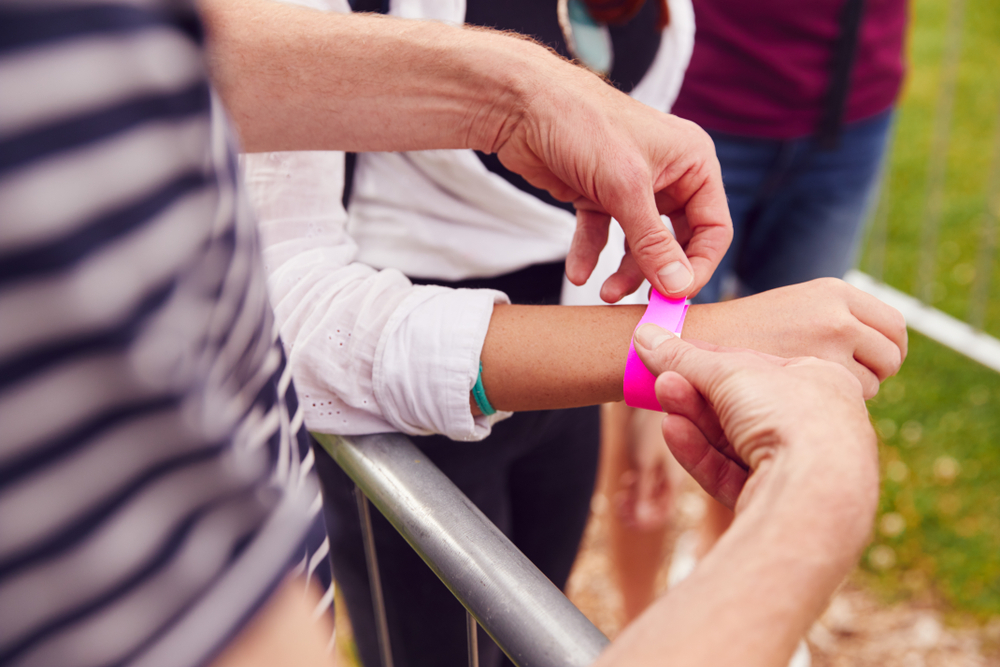
For years, crowd accessories were an afterthought. A box of wristbands arrived the week before the gates opened, lanyards were ordered in whatever colour was cheapest, and nobody gave much thought to the thousands of plastic cups left on the ground after the headliner finished. In 2026, that attitude has largely gone. Organisers of festivals, conferences, sporting fixtures and city-centre events now treat these small items as tools that shape security, guest experience, sustainability and even revenue.
Wristbands: from entry token to operational backbone
The wristband remains the most important accessory at any large event, but its role has expanded considerably. At its simplest, a wristband proves that someone has paid and is allowed to be where they are. That basic function still matters, especially at multi-day events where re-entry is common and staff need to spot the difference between a weekend ticket, a day pass and a backstage credential in a fraction of a second.
What has changed is the thinking behind the choice of band. Organisers now match the material to the event rather than defaulting to one option. Tyvek bands remain popular for one-day events because they are cheap, light and tamper-evident. Vinyl and plastic bands suit longer festivals where guests will shower, camp and dance in the rain for three or four days. Woven fabric bands, often with a secure closure, have become the standard for premium and multi-day tickets because they feel like a keepsake rather than a disposable tag.
Colour coding has also grown more deliberate. Rather than picking shades at random, organisers build a clear system: one colour per access zone, a distinct band for under-18s, and another for guests who are permitted to buy alcohol. This helps bar staff, stewards and security teams make quick, consistent decisions, which reduces queues and disputes at busy points.
For organisers sourcing in bulk across multiple countries, suppliers offering a broad catalogue have become valuable partners. A range such as the Europaband selection allows teams to compare materials, closures and print options in one place, which simplifies procurement when the same festival brand runs editions in several cities.
Technology is the other big shift. RFID and NFC-enabled wristbands are no longer reserved for the largest festivals. They now handle cashless payments, speed up gate entry and give organisers real-time data on crowd flow. If one entrance is overloaded, staff can redirect people before a bottleneck forms. The trade-off is cost and complexity, so many mid-sized events take a hybrid approach, using smart bands for VIP areas or payment and simple printed bands for general admission.
Lanyards and badges: rethinking the conference staple
At conferences and trade shows, the lanyard plays a similar role to the wristband. Organisers in 2026 are paying closer attention to what goes on them. Badges increasingly carry QR codes linked to session bookings and contact exchange, which removes the need for business cards and makes lead capture easier for exhibitors.
There is also a quieter trend towards optional signalling. Some events now offer coloured lanyards or small pins that let attendees indicate preferences, such as whether they are happy to be photographed or would rather not be approached by vendors. It is a small change, but it shows how accessories are being used to make crowded spaces more comfortable for different kinds of guests.
Materials are under scrutiny too. Recycled polyester lanyards and plastic-free badge holders are now common requests, and many organisers collect lanyards at the exit to reuse them at the next event.
Reusable cups: the accessory that changed festival culture
Few items show the shift in thinking better than the reusable cup. Single-use plastic cups were once an accepted part of any outdoor event, along with the clean-up bill that came with them. Deposit-based reusable cups have changed that. Guests pay a small deposit with their first drink, keep the cup for the day, and either return it or take it home as a souvenir.
The benefits go beyond waste reduction. Sites are cleaner, bars move faster because staff are not constantly restocking cups, and branded designs give sponsors a visible, lasting presence. Some events release a new cup design each year, turning them into collectables that guests actively want to keep.
The bigger picture
The common thread is that organisers no longer see crowd accessories as disposable extras. Each one now has to earn its place by improving safety, smoothing operations, reducing waste or adding to the guest experience. Wristbands sit at the centre of that thinking, but lanyards, badges and cups are following the same path. For organisers planning their next event, the question is no longer simply what is cheapest, but what each small item can do for the crowd as a whole.