How First-Time Visitors Decide Whether to Trust an Online Store
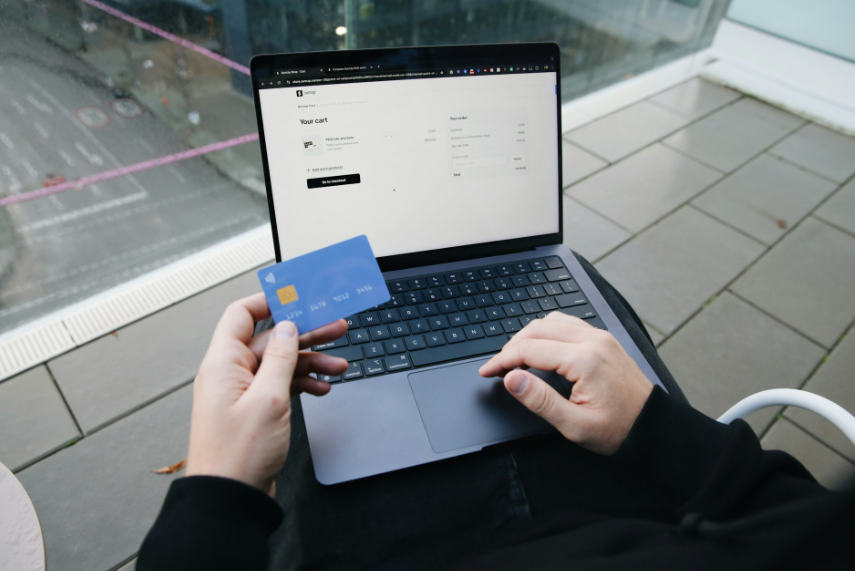
Every online store has a small window of opportunity to make a positive impression on a new visitor. Unlike returning customers who already know the brand, first-time visitors arrive with uncertainty. They do not know whether the products are high quality, whether payments are secure, or whether the company will actually deliver what it promises. As a result, trust becomes one of the most important factors influencing whether someone stays, browses products, and eventually makes a purchase.
Many store owners focus heavily on attracting traffic through advertising, search engine optimization, and social media marketing. While these efforts are important, they often overlook what happens after a visitor lands on the website. The reality is that trust is not built through a single element. Instead, visitors evaluate dozens of signals, often within the first few seconds, before deciding whether a store feels credible enough to deserve their attention.
The First Impression Happens Almost Instantly
When someone lands on an online store for the first time, they immediately begin making judgments. Although they may not consciously realize it, they are assessing whether the website looks professional, modern, and legitimate. To learn that, let’s take the discussion to Daniel Gross, an expert in ecommerce marketing in Cleveland, Ohio. He explains:
“A clean design, consistent branding, readable typography, and organized navigation create an immediate sense of credibility. On the other hand, outdated layouts, poor-quality images, broken elements, or cluttered pages can trigger doubt before a visitor even looks at a product. This is why professional website design is not simply about aesthetics. It serves as a trust signal that communicates whether a business is serious about serving its customers.”
Website Speed Shapes Perceived Reliability
Few things damage trust faster than a slow website. When pages take too long to load, visitors often associate that poor experience with the business itself. Fast-loading pages create a feeling of professionalism and efficiency. Visitors subconsciously assume that if a company invests in maintaining a high-performing website, it is more likely to provide a reliable shopping experience. Conversely, delays during browsing, product viewing, or checkout can make people question whether the store is secure, modern, or dependable enough to handle their purchase.
Product Pages Answer Important Questions
Trust often grows when uncertainty decreases. This is why detailed product pages play such a significant role in convincing first-time visitors.
Customers want to know exactly what they are buying. High-quality images, multiple viewing angles, accurate descriptions, dimensions, specifications, and usage information help remove doubts.Strong product pages typically include:
- Multiple product photos
- Detailed specifications
- Clear pricing information
- Shipping details
- Return policies
- Frequently asked questions
- Customer reviews
The more information a store provides, the less risk visitors feel they are taking when making a purchase decision.
Customer Reviews Create Social Proof
One of the most powerful trust factors in ecommerce is social proof. First-time visitors understand that businesses naturally present themselves in the best possible light. However, they place significant value on feedback from actual customers.
Reviews help shoppers answer questions that marketing content cannot fully address. They want to know whether products match descriptions, whether shipping is reliable, and whether previous buyers were satisfied with their experience.
A healthy collection of authentic reviews demonstrates that real people have purchased from the store and received value from the transaction. Even a few less-than-perfect reviews can sometimes increase credibility because they make the overall feedback appear more genuine.
Security Signals Reduce Purchase Anxiety
Whenever visitors consider entering personal or payment information, security becomes a major concern. Most shoppers are not cybersecurity experts, yet they look for visible indicators that a store takes security seriously.
That is where secure checkout pages, HTTPS connections, recognized payment methods, and security badges can all contribute to a stronger sense of confidence. Although these elements alone will not create trust, they help reassure customers that their information is being handled responsibly.
Clear Policies Demonstrate Transparency
Trust grows when expectations are clearly communicated. Visitors often look for information about shipping, returns, refunds, exchanges, and customer support before making a purchase. When policies are difficult to find or written in confusing language, shoppers may become suspicious. They might wonder whether the company is intentionally hiding important information. Transparent stores make these details easy to access and understand. This openness signals that the business has nothing to hide and is prepared to stand behind its products.
Brand Story and Company Information Matter
People generally trust businesses more when they can identify the humans behind them. A detailed About Us page can help first-time visitors understand the company's mission, values, expertise, and history. While shoppers may not always read every word, knowing that such information exists contributes to overall credibility.
Including team photos, company milestones, founder stories, or behind-the-scenes content can further humanize the brand and create a stronger emotional connection.
Consistent Branding Builds Confidence
Trust is often strengthened through consistency. When visitors see the same messaging, design style, tone of voice, and visual identity across the website, social media channels, emails, and advertisements, the business appears more established and professional.

Inconsistencies can create confusion. For example, if a store's advertisements promise one thing while its website communicates something different, visitors may question the authenticity of the brand. Consistency reassures customers that they are dealing with a legitimate business that understands its audience and communicates clearly.
Customer Support Accessibility Influences Trust
Many first-time visitors never contact customer support. However, they still want to know that help is available if needed. Visible contact information, live chat options, support email addresses, phone numbers, and responsive customer service channels all contribute to trust. These elements signal that the company is accessible and willing to assist customers after the sale. When support options are difficult to find, visitors may worry about what would happen if they encountered an issue with their order.
Trust Continues Throughout the Checkout Process
The checkout experience often becomes the final trust test. Even visitors who feel comfortable browsing products can abandon their carts if the checkout process appears confusing or risky.

A trustworthy checkout experience typically includes:
- Transparent pricing
- Clear shipping costs
- Multiple payment methods
- Progress indicators
- Guest checkout options
- Secure payment messaging
Every unnecessary surprise during checkout increases friction and can cause customers to reconsider their decision.
Building Confidence One Signal at a Time
First-time visitors rarely trust an online store because of a single feature. Customer experience expert Shep Hyken has often emphasized that
“Trust is built when customers consistently experience what they expect.”
That idea applies directly to ecommerce. First-time visitors are not looking for perfection. They are looking for evidence that the store will do what it claims to do. Every element they encounter, from page speed and product information to shipping policies and checkout design, contributes to that expectation and influences whether confidence begins to form.
Instead, they evaluate numerous trust signals that collectively shape their perception of the business. From website design and page speed to customer reviews, transparent policies, and secure checkout experiences, every element contributes to the overall impression.
The most successful ecommerce brands understand that trust is earned gradually. By consistently reducing uncertainty, answering customer questions, and demonstrating professionalism at every touchpoint, online stores can transform cautious first-time visitors into confident buyers and, ultimately, loyal long-term customers.