How Flexible Storage Solutions Reduce Overhead Costs for Ecommerce Startups
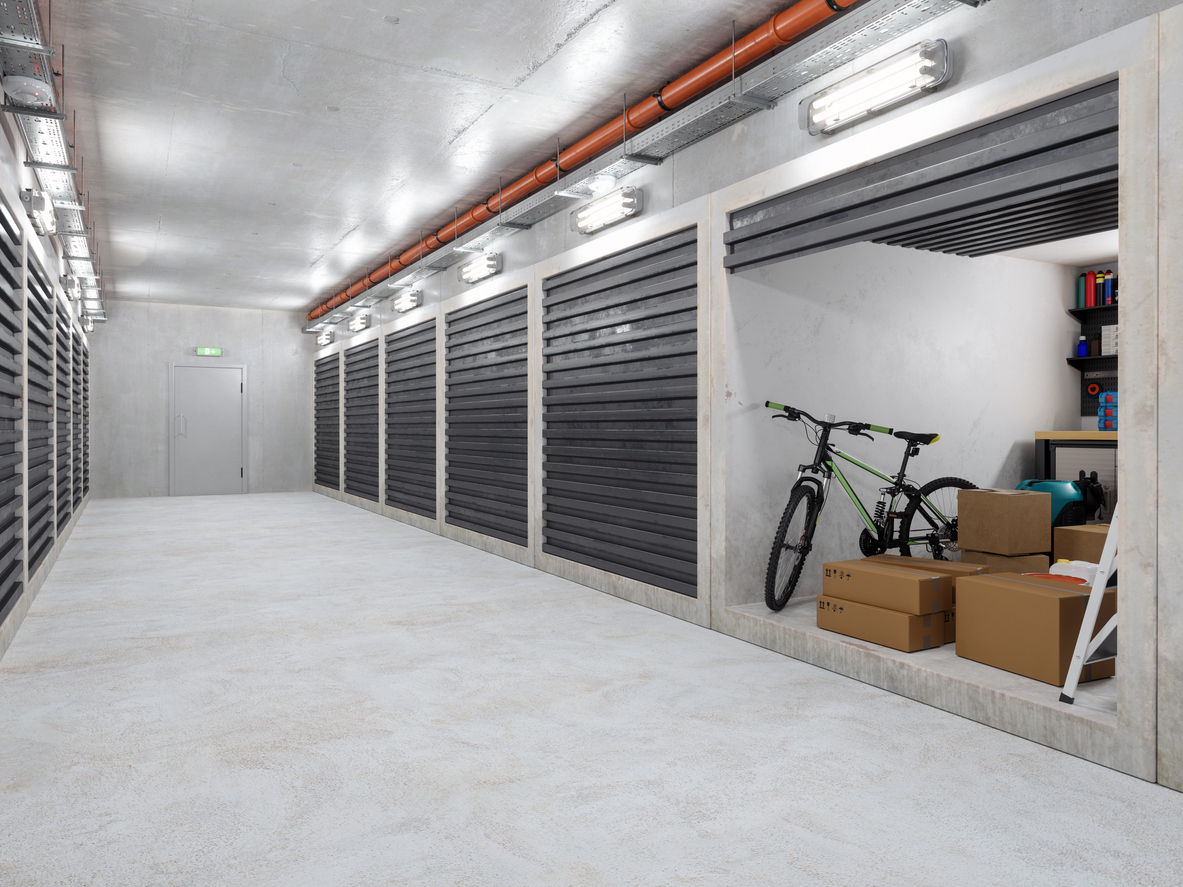
Launching an online store often requires a delicate balance of capital and ambition. While setting up a digital storefront has never been easier, the physical reality of managing stock quickly becomes a significant hurdle. Industry research suggests that many ecommerce businesses face increasing operational challenges as they grow, with inventory and storage requirements often expanding beyond their initial capacity. Without a scalable logistics strategy, these bottlenecks can slow business growth.
Mismanaged cash flow is devastating to early-stage ventures. Financial experts consistently identify cash flow problems as one of the leading reasons ecommerce businesses struggle to survive. Much of a company's working capital can become tied up in inventory and the space required to store it safely. Without a robust strategy for scaling physical infrastructure, even the most promising online retailers can quickly find themselves under financial pressure.
The Hidden Trap of Traditional Warehousing
When an ecommerce startup outgrows a garage or spare room, founders naturally look towards commercial warehouse space. However, traditional warehousing agreements are often inflexible and heavily favour landlords. Many commercial leases require businesses to rent significantly more space than they initially need while committing to lengthy lease terms. This creates unnecessary costs for smaller businesses that only require limited storage capacity.
On top of the excessive space, the financial requirements can cripple a young company before it even gains market traction. Signing a commercial lease demands heavy upfront capital expenditure, usually requiring deposits equivalent to three to six months of rent, alongside solicitor fees and internal fit-out costs. When you factor in triple net expenses, independent property insurance, facility maintenance, and separate utility bills, the actual monthly outlay becomes astronomical, prompting many founders to search for competitive self storage prices as a viable alternative.
Furthermore, finding affordable small-scale warehouse space has become increasingly challenging for growing businesses. Industry reports indicate that smaller industrial units remain in limited supply, with many landlords favouring larger, long-term tenants. This shortage leaves many ecommerce businesses searching for more flexible logistics solutions that can grow alongside their operations.
Why Flexibility is Essential for Growing Brands
To avoid tying up vital funds in oversized commercial real estate, lean startups must explore scalable alternatives. Handling erratic order volumes and warehouse costs can easily overwhelm new stores, as outlined in an excellent guide on how 3PL logistics solves ecommerce fulfilment challenges. Rather than committing to a massive industrial lease right away, smart entrepreneurs are turning to alternative holding methods that adapt to their immediate needs.
By taking a more agile approach, founders can protect their cash reserves for crucial activities like customer acquisition and product development. While flexible storage solutions may appear more expensive when compared on a simple rental basis, they often reduce the overall cost of ownership by including services such as security, maintenance, and utilities within a single monthly fee.
Key Financial Benefits of Alternative Storage
Inventory storage represents a significant operational expense for many ecommerce businesses. Finding ways to minimise these ongoing costs is essential for improving cash flow and supporting long-term growth. Utilising a flexible storage model offers several distinct advantages for growing online retailers:
- Scalable Unit Sizes: Unlike traditional commercial leases, flexible storage facilities offer a wide range of unit sizes. This allows growing businesses to increase or decrease their storage capacity as inventory levels change, ensuring they only pay for the space they actually need.
- Flexible Contracts: Fast-growing startups require agility. Flexible agreements allow seasonal ecommerce businesses to expand their storage space during busy periods and reduce it when demand slows, without being locked into long-term commitments.
- Reduced Initial Capital: By avoiding the substantial deposits and legal costs commonly associated with traditional commercial leases, founders can preserve more working capital for inventory, marketing, and business growth.
- All-Inclusive Amenities: Moving into a modern unit means that basic lighting, security, and facility maintenance are covered in the monthly fee, completely removing unexpected maintenance bills from your balance sheet.
Optimising Inventory for the Future
Poor inventory management and excess stock can place significant financial pressure on businesses of all sizes. Industry research consistently shows that inefficient inventory practices reduce profitability and create unnecessary operational costs. Prioritising efficient stock management from the outset helps ensure that every storage space contributes to business growth.
By securing storage space that can scale alongside order volumes, business owners can navigate periods of rapid growth with greater confidence. Moving away from restrictive commercial leases toward more adaptable storage solutions helps ecommerce startups reduce overhead costs, improve cash flow, and build a more resilient business for the future.