How river travel is quietly becoming part of business travel planning

Business travel has always been defined by efficiency, predictability, and tight scheduling.
Traditionally, that meant air routes, central hotels, and quick turnarounds. But that model is being reworked from within, not replaced, but expanded.
At its core, business travel still exists to enable in-person interaction, whether for negotiations, conferences, or client development. Despite advances in remote communication, face-to-face contact remains critical for complex deal-making and relationship building.
What has changed is how companies evaluate the context of those interactions. Travel is no longer just about getting from A to B, it is increasingly treated as a layered activity, combining work, relationship-building, and extended stays.
The rise of “bleisure” travel, where professionals extend trips for non-work purposes, is a visible indicator of this shift, with a majority of travelers now blending business and personal time.
Within that evolution, river travel is emerging not as a leisure add-on, but as a structured, usable format for certain types of business movement.
Why river travel is entering corporate itineraries
The structural fit: geography, density, and access
River routes, particularly in Europe and parts of Asia, pass through high-density economic corridors. The Danube, Rhine, and Seine connect multiple commercial centers within short distances, allowing access to several cities without repeated airport transfers.
This aligns with one of the less-discussed inefficiencies in corporate travel: intra-regional movement. Moving between secondary cities often involves disproportionate time spent in transit compared to meeting time.
River travel addresses this by turning transit into accommodation. Instead of checking in and out of multiple hotels, the vessel becomes a moving base. That reduces friction in multi-city itineraries.
The appeal is not hypothetical. River cruise routes now span over 80 major rivers globally, with strong demand concentrated in Europe and Southeast Asia.
Time utilization, not time saving
River travel is not faster than air travel, and that is not its value proposition. The shift is toward productive continuity rather than speed.
Executives and teams can schedule internal meetings, planning sessions, or informal discussions during transit periods. This is particularly relevant for:
- Regional leadership tours
- Multi-city client visits
- Investor or stakeholder roadshows
Instead of losing hours in airports and transfers, those hours are repurposed.
This aligns with broader corporate travel management priorities, where travel and expense (T&E) costs are among the largest controllable business expenses, making efficiency gains strategically important.
The role of structured river itineraries in planning
A different type of travel product
River travel differs from traditional cruising in scale and structure. Smaller vessels, fixed itineraries, and central docking locations create a predictable framework.
The market itself reflects this positioning. River cruises account for a significant share of the cruise sector and are growing steadily, supported by demand for more controlled and immersive travel formats.
For corporate planners, predictability matters. It allows integration with:
-
Scheduled meeting blocks
- Pre-arranged ground transport
- Fixed arrival times in city centers
Unlike ocean cruising, which is often destination-centric, river travel is route-centric. That distinction makes it more compatible with business scheduling.
Where this is becoming visible in practice
https://www.celebritycruises.com/river/cities
The expansion of river cruise offerings into structured city-to-city itineraries is one of the clearest indicators of this shift. Operators are increasingly mapping routes around major commercial hubs, not just tourist destinations.
This reflects a broader industry move. Companies are investing in new fleets and expanding European river capacity, signaling confidence in long-term demand growth.
The implication is straightforward: suppliers are not just targeting retirees or leisure travelers anymore, they are building products that can fit into more complex travel use cases, including corporate ones.
Cost structures and when river travel makes sense
River travel is not a universal replacement for traditional business travel. Its adoption is selective and context-dependent.
Situations where it works
The model tends to fit best in scenarios where:
- Multiple cities are visited within one region
- Travel distances are moderate, not intercontinental
- Teams travel together rather than individually
- Scheduling allows for multi-day continuity
In these cases, consolidating transport, accommodation, and meeting space into a single platform can simplify logistics.
Situations where it does not
It is less effective when:
- Trips are single-destination and time-critical
- Meetings require rapid, last-minute scheduling
- Participants are joining from multiple global locations
Air travel remains dominant in those scenarios for a reason.
Cost comparison is not linear
At first glance, river travel may appear more expensive. However, a direct comparison with flights and hotels alone is incomplete.
Costs bundled into river travel often include:
- Accommodation
- Meals
- Local transport
- Some onboard meeting or event space
When evaluated against a multi-city itinerary with separate bookings, the total cost can become competitive, particularly when factoring in reduced logistical overhead.
The influence of changing traveler expectations
Another factor shaping adoption is the changing profile of business travelers.
The modern corporate traveler, particularly in senior roles, increasingly expects travel to serve multiple purposes. This is not about luxury, but about efficiency and value density.
The demand for more “immersive” and flexible travel experiences is already driving growth across the cruise sector, including river formats.
At the same time, companies are under pressure to justify travel expenses more rigorously. Trips that combine multiple objectives, meetings, team alignment, and client engagement, are easier to justify than single-purpose travel.
River travel fits into that logic by enabling multiple interactions within one continuous itinerary.
Operational considerations for companies
Integration with travel policy
For river travel to become a consistent part of business planning, it has to be incorporated into corporate travel policies.
That includes:
- Approved suppliers
- Budget thresholds
- Safety and compliance standards
- Data tracking for T&E reporting
Without this integration, it remains an ad hoc option rather than a scalable solution.
Travel management companies (TMCs)
Large organizations rely on TMCs to manage bookings and compliance. River travel is still not fully standardized within these systems.
However, as demand grows, integration is improving. This is a key step toward broader adoption.
Sustainability factors
River travel also intersects with corporate sustainability goals. While not emissions-free, it can reduce the number of short-haul flights within a multi-city itinerary.
With sustainability becoming a formal KPI in many organizations, this factor is increasingly relevant in travel planning decisions.
The market signals behind the trend
The rise of river travel in business contexts is not driven by marketing narratives alone. There are measurable signals:
- River cruise demand is growing at double-digit rates in some forecasts.
- Industry participants expect continued expansion, including new ship development.
- Passenger volumes have increased significantly in recent years, indicating broader adoption beyond niche segments.
These are supply-and-demand indicators, not speculative trends.
They suggest that river travel is moving from a specialized leisure category toward a more flexible travel format that can serve multiple purposes.
What this means for business travel planning
River travel is unlikely to replace traditional business travel infrastructure. Air travel, hotels, and conference venues remain central.
What is changing is the range of viable options within corporate travel strategy.
River travel is becoming:
- A tool for regional multi-city engagement
- A format for team-based travel
- A platform for combining transit and interaction
Its adoption is gradual because it requires adjustments in planning, policy, and expectations.
But the underlying drivers, efficiency, consolidation, and multi-purpose travel, are structural. They are not going away.
That is why river travel is not appearing as a headline disruption. It is being integrated quietly, where it makes operational sense.
And in business travel, that is usually how real change happens.
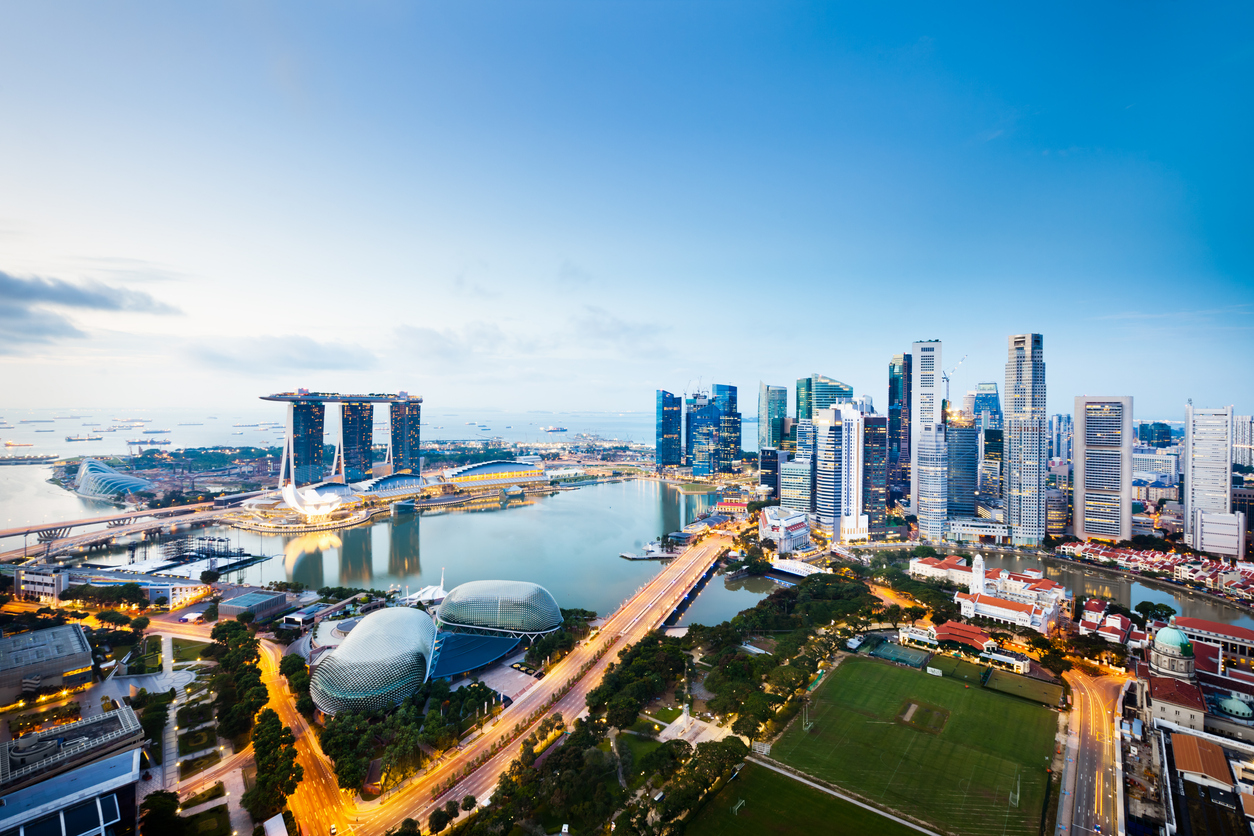
Photo by Reynier Carl on Unsplash