How Smart Renovations and Deep Cleaning Add Value to a Home

I recently walked through a friend's investment property in Melbourne's inner west before it went to market.
The home was structurally sound, but the stale smell, grey carpets, and yellowed splashback grout made it feel tired.
His agent was blunt. Buyers would shave at least forty thousand dollars off their offers because the place looked neglected. A neglected home signals future work, even when the bones are solid.
Six weeks later, after a disciplined deep clean and a handful of cosmetic updates, the property sold above the suburb median. No structural work was needed. No architect was involved.
That result was not luck. Buyers form an opinion within minutes, and they react to smell, light, cleanliness, and maintenance signals before they study the floor plan.
The strongest return usually comes from a clean-first strategy, followed by a short list of visible, low-risk upgrades. That sequence protects your budget, sharpens the marketing, and makes the home easier to value.
Key Takeaways
Start with cleaning, then spend on visible upgrades that improve comfort, efficiency, and trust.
- Presentation creates leverage. Deep cleaning, decluttering, and minor repairs can return several times their cost through stronger offers or shorter selling periods.
- Sequence matters. Cleaning first reveals the true condition of surfaces, fittings, and finishes, which prevents wasted renovation spending.
- Quick wins usually beat big projects. Paint, lighting, hardware swaps, grout renewal, and a splashback refresh can modernise a room fast. Realestate.com.au has reported that strategic updates like these can add roughly five to ten percent to a sale price.
- Performance features now influence demand. Domain's 2025 analysis found that energy-efficient listings attracted 13.8 percent more views, while ACT research linked higher Energy Efficiency Ratings with price premiums.
- Routine maintenance protects value. A simple annual schedule for cleaning, moisture control, and inspections can extend component life and reduce surprise repair bills.
- Evidence beats instinct. Track buyer feedback, listing performance, and time on market so you can tell whether the work improved results.
What Smart Renovations and Deep Cleaning Mean
Keep the scope tight because small, visible fixes usually outperform expensive structural work on return.
Smart renovations focus on surfaces, fittings, light, and repair work that buyers notice straight away. Think paint, hardware, lighting, silicone, and damaged finishes, not load-bearing walls or layout changes that trigger long delays and higher risk.
Deep cleaning is more than a once-over. It means resetting carpets, grout, ovens, rangehoods, windows, wet areas, and odours, then fixing the source of dirt or moisture so the problem does not return. Cleaning first also prevents waste because a surface that looks worn may only be dirty.
Keep compliance in view. In homes built before the 1980s, asbestos and lead paint need licensed assessment. Western Australian health guidance says mould and dampness should be removed as soon as they appear because they affect health and can lead to larger repair bills.
Three Benefits Before You Sell or Lease
Presentation, maintenance, and efficiency make buyers feel safer, which helps price, speed, and confidence.
Buyer Confidence and Fewer Objections
A clean, odour-free home with no obvious defects removes emotional barriers. People stop hunting for faults and start picturing their own furniture in the space. That emotional ease matters because hesitation usually turns into discount requests.
Stronger Value Signals
Maintenance records, clean finishes, and efficient fittings tell buyers and valuers the property has been managed well. ACT sales research found clear price premiums for higher Energy Efficiency Ratings, and ABC reporting on the same data cited about a three percent lift per extra EER star.
Lower Lifecycle Costs
A documented maintenance plan reduces surprise repairs after settlement. That matters to investors, first home buyers, and busy families who want predictable ownership costs. Tenants make the same judgement, which can improve applications and reduce urgent repair calls.
Start With a 90-Day Value Stack
Do the work in a set order so you avoid rework and keep the budget honest.
Weeks 1-2: Assess and Plan
Start with hazards, moisture, pests, and basic services. Check older materials before sanding or demolishing, look for leaks around showers and sinks, and a Melbourne Building and Pest Inspection may be relevant for properties with known moisture or pest concerns. Take photos and notes room by room, then set a firm budget cap based on comparable local sales, not optimism.
Weeks 3-4: Complete the Deep-Clean Reset
Clean first because dirt hides defects and exaggerates wear. Steam-clean or hot-water extract carpets, degrease the oven and rangehood, wash windows inside and out, scrub grout, neutralise odours, and clear stored clutter. This stage shows what truly needs repair and what simply needed time and effort.
Weeks 5-8: Make Cosmetic Upgrades
Once surfaces are clean, move to paint, lighting, silicone, hardware, and minor patching. Use low-VOC paint, meaning paint with lower chemical emissions, in light neutral tones. Replace dated handles, install warm LED globes, refresh bathroom sealant, and repair damaged finishes before photographers arrive. If the kitchen still looks tired for resale, Studio Porcelain covers porcelain splashback kitchen solutions that deliver heat resistance, low porosity, and fewer grout lines without a full remodel.
Weeks 9-12: Improve Performance and Street Appeal
Seal draughts, top up insulation, service heating and cooling, and fit WELS-rated taps or showerheads. Australia's WELS scheme says a three-star showerhead at nine litres a minute can save a typical family about seventy kilolitres of water and roughly two hundred and ten dollars a year. Finish outside with pruning, gutter clearing, path washing, and clear house numbers so the home feels maintained before anyone steps inside.
Upgrade the Kitchen With a Porcelain Splashback
The kitchen sets the tone because buyers read it as a signal for hygiene, upkeep, and future spending.
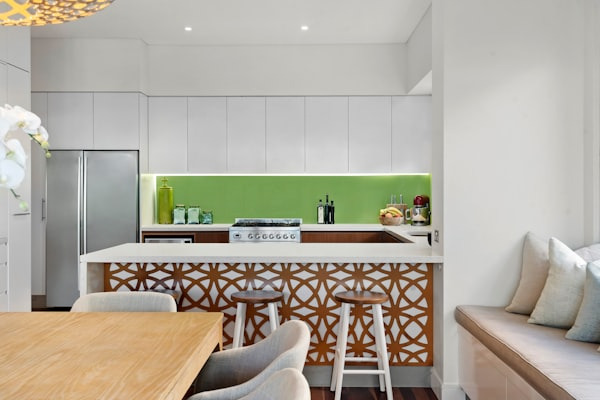
Even buyers who plan to renovate later still use the kitchen as a shortcut for judging the rest of the house. A cracked or yellowed splashback makes the room feel older, especially in listing photos where grout lines and stains stand out.
Replacing that surface with a large-format porcelain finish gives you better stain resistance, fewer grout lines, and a cleaner visual plane behind the cooktop and benches. If you are comparing materials, look at Australian-ready porcelain finishes that suit modern layouts and are easy to sanitise after inspections. The result can read premium in photos without the cost and disruption of a full kitchen renovation.
That makes a splashback upgrade a practical bridge between a simple tidy-up and a full remodel. It improves daily cleaning as well, which matters if the campaign runs for several weeks.
Use Commercial Discipline Room by Room
Run the house like a small facility and standards stop slipping between inspections.
Start with the kitchen. Degrease ventilation filters, descale taps, sanitise fridge seals, clean the oven glass, and wash the rangehood canopy. Buyers open cupboards and appliances, so hidden grime still counts against the home.
In bathrooms, treat mould at the source. Fix leaks, improve exhaust, replace perished silicone, descale shower screens, and confirm the fan actually moves air. A shiny bathroom is persuasive, but a dry bathroom is what keeps the result believable.
Living areas and bedrooms need dust control as much as stain removal. HEPA, or high-efficiency particulate air, vacuuming helps capture fine particles before inspections, while patched scuffs and fresh paint stop small defects from multiplying in a buyer's mind.
Odour needs source control, not perfume. Clean soft furnishings, check drains, empty bins, air wardrobes, and wash curtains if they hold cooking smells or smoke residue. Buyers notice stale air immediately, even when they cannot identify the source.
Outside, clear gutters and downpipes, trim plants away from walls, soft-wash paths, and fix simple trip hazards. Better light and airflow improve first impressions and reduce moisture build-up at the same time.
Then lock the work into a schedule. Daily and weekly resets handle benches, floors, and bins. Monthly checks cover filters, drains, and exhausts. Annual tasks should include carpets, windows, gutters, smoke alarms, and a licensed termite inspection. The routine matters more than a once-a-year sprint.
Choose Performance Upgrades That Pay
Energy and water efficiency now matter because buyers compare running costs as well as finishes.
Improve Energy Efficiency
Seal gaps around doors and windows, service HVAC, and replace failing hot water systems before they become an emergency. Domain's 2025 analysis reported that listings with energy-efficient features attracted 13.8 percent more views. That means more eyes on the campaign and more pressure on price.
Improve Water Efficiency
Leaks and inefficient fittings send a poor signal because they suggest waste and weak maintenance. WELS says a three-star tap can save about eleven kilolitres of water and around thirty-three dollars a year, and national evaluation estimated the scheme was saving roughly one hundred and twelve gigalitres annually by 2018.
These are not flashy upgrades, but they appeal to practical buyers who want comfort, lower bills, and fewer maintenance headaches. In a cautious market, practical value travels further than novelty.
Book Professional Carpet Cleaning Before You List
Carpet is one of the fastest ways to improve smell, softness, and perceived cleanliness.

Flat, stained, or musty carpet tells buyers the home has been neglected, even when walls and joinery look fine. In Melbourne, seasonal rain and humidity can leave fibres holding moisture, dust, and odour long after routine vacuuming.
The Carpet Institute of Australia recommends professional deep cleaning every twelve to eighteen months to help retain appearance and support better indoor air quality. If the home is heading to market, bring that timeline forward and book a proper service before styling and photography.
For sellers who need local help before photography and open homes, the safest move is to book hot-water extraction after decluttering but before styling. HiTech Deep Clean can help lift embedded soil, improve odour control, and give carpets time to dry so rooms feel settled at inspections, which is why many owners turn to carpet cleaning services Melbourne when the campaign timeline is tight, and the work is best scheduled during the deep-clean phase so rooms settle before open homes.
Avoid Overspending on Low-Return Work
Do not spend past the suburb ceiling because the market will not fully repay work it does not value.
Overcapitalising means spending more than local buyers are willing to return in price. Pools, major layout changes, and highly customised finishes can suit long-term living, but they rarely deliver the best short-term gain. If an improvement will not show up clearly in photos, open homes, or nearby comparable sales, question it hard before you approve the quote.
Measure the Uplift
Track the evidence so you know when the work is helping and when it has stopped paying back.
Ask your agent to compare listing views, time on page, enquiry volume, and open-home comments before and after the refresh. Keep before-and-after photos, invoices, and service dates so the work is easy to explain. Watch for practical signs too, such as fewer buyer objections, stronger second inspections, and shorter time on market. When extra spend no longer improves feedback or interest, you are close to diminishing returns.
Keep the Home Sale-Ready Each Week
The value created by a refresh disappears quickly if the home slides back into daily clutter.
Use a short weekly checklist: wipe kitchen and bathroom surfaces, vacuum and mop traffic areas, empty bins, reset the entry, and trim the garden before each inspection. Share the checklist with your agent or property manager so the standard stays consistent until settlement or a new lease begins.
Frequently Asked Questions
These are the questions homeowners ask when they want return, not renovation theatre.
What Single Step Usually Has the Best Return Before Sale?
A thorough deep clean and fresh neutral paint usually lead the pack because they improve nearly every room at once. Add minor kitchen or bathroom repairs next.
Should I Replace Carpet or Clean It First?
Clean it first unless the pile is damaged beyond recovery. Professional cleaning is far cheaper, and it often restores enough colour and freshness to avoid replacement.
How Often Should Carpets Be Deep-Cleaned if I Am Not Selling?
Every twelve to eighteen months is a sound benchmark. Homes with pets, children, heavy foot traffic, or allergy issues should usually book sooner.
Do Efficiency Upgrades Really Influence Price?
Yes. Higher EERs in ACT research aligned with price premiums, and energy-efficient listings attract more buyer views nationally. They also reduce the fear of higher running costs.
What WELS Rating Should I Target?
Three-star showerheads and taps are a strong baseline. They save water and running costs without making the home feel underpowered.
How Do I Maintain Commercial Standards at Home?
Use daily, monthly, and annual tasks, then put service dates in a calendar. The system matters more than a once-a-year burst of effort.

.jpg)