How Startup Founders Can Get a US Green Card Without an Employer Sponsor
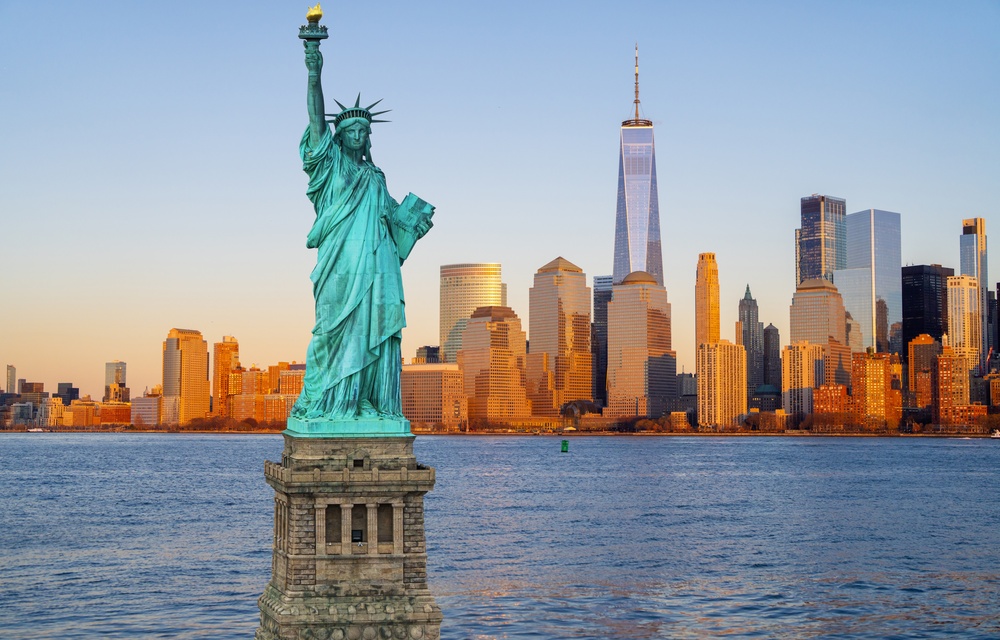
Expanding a startup to the US unlocks massive capital, top talent, and rapid customer growth. Yet for international founders, the biggest hurdle isn't finding product-market fit; it’s securing a visa without a traditional US employer to sponsor them. While standard work visas often rely on an established company offering a job, entrepreneurs rarely fit that mold.
Fortunately, you don't have to put your US expansion on hold. The EB-2 National Interest Waiver (NIW) offers a direct path for eligible founders to self-petition for permanent residence, allowing you to build your company in America while contributing to projects of national importance.
Why Founders Need an Alternative to Employer-Sponsored Immigration
Traditional employment-based immigration often depends on a US employer offering a qualifying position and completing the required sponsorship process. This arrangement may not suit entrepreneurs who want to establish their own companies or continue developing an existing business.
Founders usually make independent business decisions, raise capital, build teams, and explore new markets. They may not have a conventional employer-employee relationship that fits traditional sponsorship requirements.
An alternative pathway can therefore be valuable. It allows eligible entrepreneurs to demonstrate how their professional work and proposed business activities could benefit the United States without depending on a sponsoring employer.
How the EB-2 Visa Offers Founders a Self-Petition Route
The EB-2 visa category includes a National Interest Waiver option that allows eligible applicants to request a waiver of the usual job-offer and labor-certification requirements. This means a qualifying founder can file an immigration petition independently rather than depending on a US company to sponsor them.
The National Interest Waiver is particularly relevant to entrepreneurs whose proposed work could create wider economic, technological, scientific, or social benefits.
For example, a founder developing technology that improves healthcare access or creating solutions that strengthen important industries may have an endeavor worth presenting for consideration.
However, having an innovative idea or owning a promising startup does not automatically establish eligibility. Applicants must first meet the underlying EB-2 requirements and then satisfy the three-part national interest assessment used by US Citizenship and Immigration Services (USCIS).
What Makes a Founder Eligible for an EB-2 NIW?
Before applying, founders must qualify under one of the two main EB-2 categories:
- Advanced degree: Applicants generally need an advanced degree or a bachelor's degree followed by at least five years of progressive post-baccalaureate experience in their specialty.
- Exceptional ability: Applicants may qualify by demonstrating expertise significantly above what is normally encountered in the sciences, arts, or business.
Meeting either requirement is only the first step. USCIS also evaluates the proposed endeavor under three criteria:
- Substantial merit and national importance: The proposed work must have meaningful value and importance beyond the ordinary interests of an individual business.
- Ability to advance the endeavor: Founders must show that their education, experience, achievements, resources, and business plans position them to move the project forward.
- Benefit of waiving the job offer: Applicants must demonstrate that, overall, the United States would benefit from allowing them to pursue the endeavor without the usual job offer and labor certification requirements.
These criteria come from the framework established in Matter of Dhanasar. Each application is assessed individually, so founders should not assume that working in a popular industry guarantees approval.
What Evidence Can Strengthen a Founder's Application?
A convincing application needs more than an ambitious business plan. Founders must provide evidence that supports their qualifications, the value of their proposed work, and their ability to carry it out.
Relevant supporting documents may include:
- Business plans: Explain the company's goals, target market, development strategy, expected impact, and plans for growth.
- Investment records: Show funding already secured, investment commitments, or credible plans for future investment.
- Professional achievements: Include relevant qualifications, industry experience, awards, patents, and previous business successes.
- Business performance: Provide evidence of revenue, customer growth, partnerships, and job creation where available.
- Third-party support: Include meaningful letters from investors, customers, industry experts, or relevant organizations that can explain the project's potential value.
USCIS specifically recognizes several of these forms of evidence when assessing entrepreneur petitions. However, no single document guarantees approval. The evidence must work together to establish the applicant's case.
What Happens After Filing the Application?
Once the supporting evidence is ready, the applicant generally files Form I-140, Immigrant Petition for Alien Workers, with USCIS. Under the NIW route, the applicant can file the petition independently.
If USCIS approves the petition, the next steps depend on the applicant's location and circumstances. Founders outside the United States generally proceed through immigrant visa processing at a US embassy or consulate when an immigrant visa is available. Those already in the country may be eligible to apply for adjustment of status if they meet the applicable requirements and a visa is available.
An approved I-140 does not automatically grant permission to enter or live in the United States. Visa availability, admissibility, and the remaining immigration procedures still matter.
Founders can consult the USCIS Policy Manual on EB-2 eligibility and National Interest Waivers for official information about the requirements and assessment process.
Preparing for a Successful Move to the US
Immigration planning and business planning should go hand in hand. Founders should think carefully about how their proposed work will operate in the United States and what evidence can demonstrate its wider value.
Before moving forward, consider these practical steps:
- Define the business endeavor and the problem it aims to address.
- Identify measurable goals and realistic milestones.
- Organize professional, financial, and business records.
- Understand the likely immigration timeline and visa availability.
- Seek qualified immigration guidance before filing.
Early preparation can help founders identify gaps in their evidence and build a more realistic plan for their move.
Conclusion
Moving to the United States without an employer sponsor may be possible for founders who qualify for the EB-2 National Interest Waiver. However, the pathway requires more than business ownership or an interesting startup idea. Applicants must demonstrate the value of their proposed work, their ability to advance it, and why waiving the traditional job-offer requirement would benefit the country. By understanding the eligibility criteria and preparing strong supporting evidence, entrepreneurs can make better-informed decisions about their US immigration plans.
Frequently Asked Questions
1. Can entrepreneurs apply for an EB-2 NIW without an employer?
Yes, eligible entrepreneurs can self-petition for an EB-2 NIW without a US employer sponsoring them.
2. Does a startup founder need an advanced degree to qualify?
Not necessarily, as applicants may also qualify through the exceptional ability category if they meet its requirements.
3. Does owning a business automatically qualify someone for an EB-2 NIW?
No, business ownership alone is insufficient; applicants must satisfy the EB-2 eligibility criteria and all three NIW requirements.
4. Can a founder apply for an EB-2 NIW while living outside the United States?
Yes, eligible applicants can generally file an I-140 petition from abroad and pursue immigrant visa processing when eligible.