How to Build a Trading Routine Around a Low-Cost Trading Platform
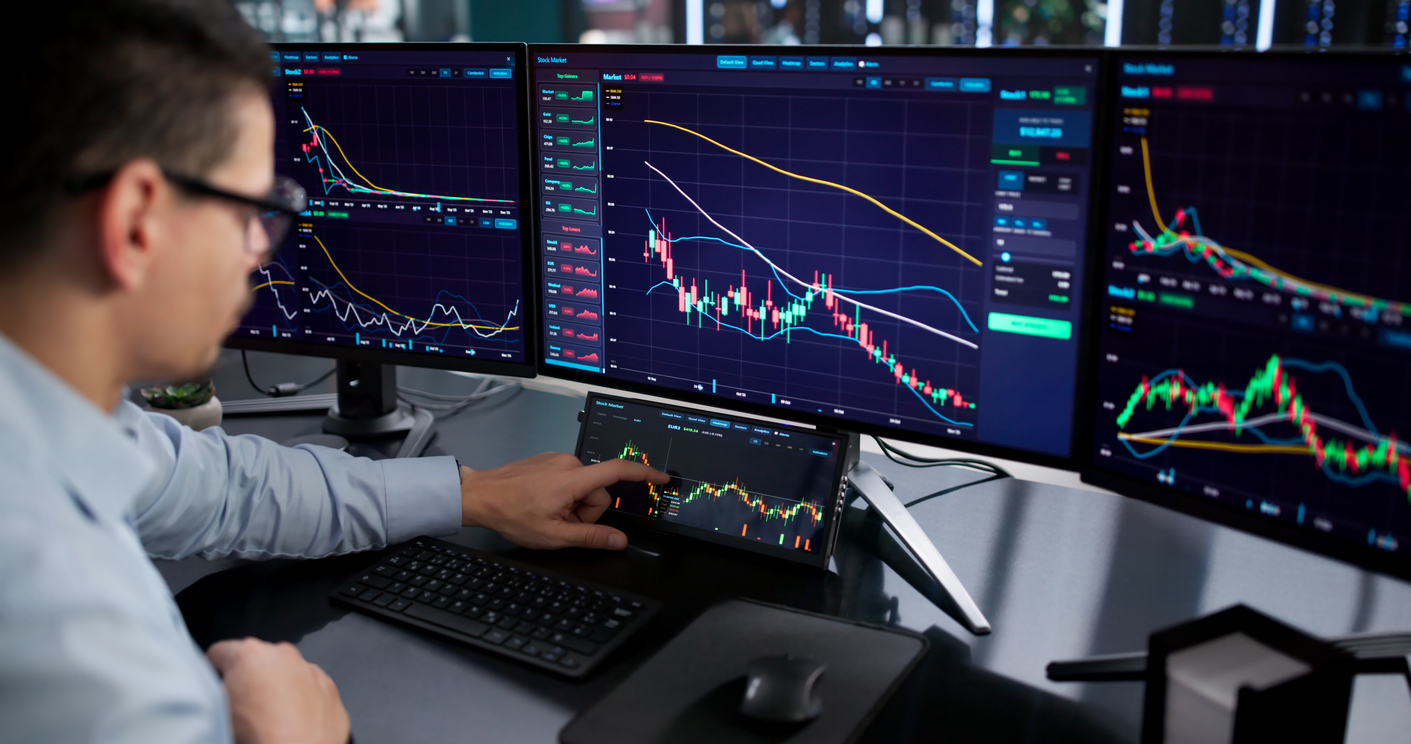
The price of an exchange-traded fund (ETF) might catch your attention during lunch, but deciding whether to trade takes more than a glance at its chart. You need to consider the spread, available cash, and whether the opportunity fits your plan. That’s difficult if your research is scattered across apps and your next meeting starts in ten minutes.
A low- or zero-fee trading platform in Singapore can help simplify those decisions. However, its features become useful only after you give them a clear role. Here’s how to build an ETF trading routine that fits your schedule and keeps unnecessary costs under control.
Verify Your Broker
Before depositing any funds, verify the broker’s legal entity and permitted activities using the Monetary Authority of Singapore’s (MAS) Financial Institutions Directory, and cross-check the official registry listing against the service you intend to use. From there, review the platform’s custody arrangements to ensure you clearly understand how your ETF holdings are recorded, which entity safeguards them, and what would be required to transfer your portfolio in the future.
In addition, confirm that the low-cost trading platform supports the ETF transactions you plan to execute. Brokers often operate multiple platforms for different asset classes, so low commission rates advertised for forex or contracts for difference (CFDs) may not apply to standard stock, bonds, and ETF purchases. Taking the time to verify these product-specific details ensures you can evaluate total costs accurately and avoid opening an unsuitable account.
Calculate Your Trading Costs
A trading platform with low costs can significantly reduce your recurring expenses, especially if you hold positions for longer periods between trades. Even so, it pays to check the remaining fee structure before assuming an account will be cost-effective for your specific strategy. After all, a small commission can look attractive at first glance, but hidden fees can paint a different picture.
Let’s put this into perspective. Paying SGD 6 in combined buying and selling costs on a SGD 1,000 position creates an immediate 0.6 percent hurdle before accounting for any other market friction. Ultimately, your target price movement needs to comfortably cover that initial expense to make the trade worthwhile.
To get an accurate sense of value, compare platforms using your expected trading volume across both entry and exit points. Be sure to account for brokerage commissions, exchange fees, currency conversion rates, and the bid–ask spread.
Give Each Device a Role
Using both desktop and mobile devices makes it easier to fit trading around your workday, provided each serves a distinct purpose. Specifically, use a desktop screen for in-depth research, chart comparisons, and writing trading plans. On the other hand, keep your phone for quick position checks during a break. Separating your devices this way helps prevent the temptation to rush analysis on a small screen.
Choose Your Schedule
For SGX-listed ETFs, regular continuous trading runs from 9:00 AM to 12:00 PM and from 1:00 PM to 5:00 PM Singapore time. If your work commitments prevent you from monitoring these sessions, opt for a strategy and holding period that do not require constant screen time. For overseas ETFs, adjust your routine to match the operational hours of their primary exchanges.
Keep Charts Simple
To keep your analysis clear, stick to a small set of tools you thoroughly understand. For instance, pairing a price chart with trading volume, and a single moving average provides enough context without cluttering your view.
Be sure to note down your chosen timeframe to keep your chart reading consistent over time. A daily chart, for example, gives you the broader context needed for a trade meant to span several days. Switching to minute-by-minute charts during that same trade can provoke knee-jerk decisions that undermine your original plan. Ultimately, while technical indicators offer useful guidance, they should support your judgement rather than dictate every move.
Inspect the Spread
Before entering an ETF position, take a moment to look closely at the bid–ask spread, which is the gap between the best available buying and selling prices. For instance, if an ETF is offered at a purchase price of SGD 2.00 while the best bid to sell is SGD 1.98, that SGD 0.02 gap creates an immediate 1 percent cost before adding any brokerage fees.
Then, use market-depth tools if your platform supports them. These tools display quoted prices and available quantities beyond the bid–ask spread, helping you assess whether the market can comfortably absorb your trade size. Using limit orders can further protect you by specifying an exact price, though it is worth remembering that execution is not always guaranteed.
Prepare Your Currency
Depending on your broker’s terms, executing a trade with a foreign currency shortfall could trigger automatic financing or interest charges. Reviewing your platform’s funding and conversion policy before placing an order helps you avoid these unexpected costs.
It is also worth comparing the quoted exchange rate alongside any explicit conversion fees, as some platforms bake their margin directly into the FX rate. If you are buying a US-listed ETF, factor the total currency conversion cost into your calculations along with the standard commission and spread. This gives you a far clearer picture of the true capital required for your trade.
Define Your Exit
Before placing any order, write down your entry criteria, exit strategy, and maximum acceptable cash loss. Having these rules clearly documented gives you an objective reference point if the market moves against your position.
For example, if you set an SGD 50 risk limit with an SGD $0.10 distance between your entry price and stop loss, that points to a position size of 500 units before factoring in expenses. Once you account for brokerage fees, spreads, and potential slippage, you will likely need to adjust to a slightly smaller position size, depending on minimum board lot rules.
Make Convenience Count
An effective low-cost platform provides affordable execution alongside tools that support deliberate decisions. The real test is whether that convenience helps you trade with greater care. Does your next ETF trade deserve your capital and attention?