How to Choose an Architecture Firm for a Commercial Project
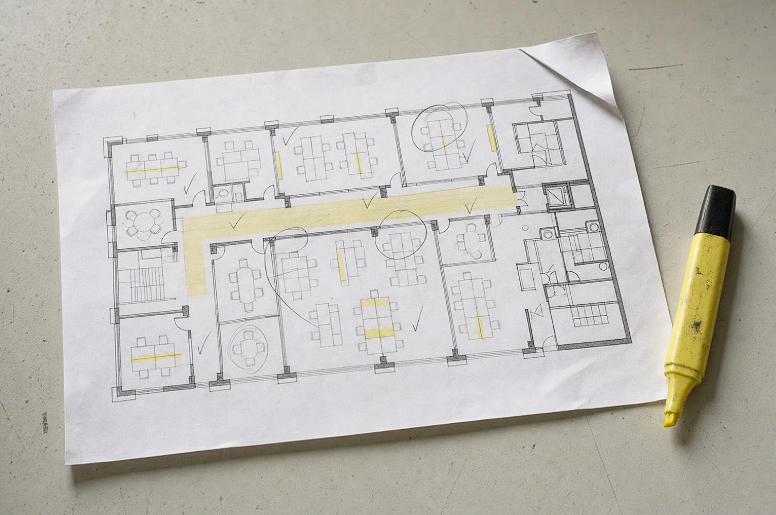
A growing company has outgrown its first office. On the owner's desk are three portfolios full of handsome photographs and three proposals at different prices.
None makes clear whether the fees cover the same work.
Choose a practice whose relevant experience, named team and written scope fit your business brief. Compare the proposed services before judging the price.
Key takeaways
- Comparable experience. Ask for completed work with a similar use, scale and service scope, and find out what the practice itself did on each project.
- Named project team. Meet the person who will run the job day to day, and check that anyone described as an architect is on the UK Architects Register.
- Like-for-like proposals. Send every candidate the same brief, then compare inclusions, exclusions and extra-charge triggers before assessing fees.
Start with a brief the business can use
ARB, the UK regulator for architects, advises clarifying your needs, goals and intended outcome before you meet an architect.
For a business, that means describing the services you expect to need, from feasibility advice and drawings for approvals to consultant coordination and support during construction.
Include the facts a practice needs to price that work.
Business requirements
- Building use and the activities the space must support
- Existing premises or a new site, and what you know about its condition
- Space needs now and for planned staff growth
- Target opening date and any lease deadlines tied to it
- Available project budget, including costs beyond the architect's fee
- The person authorised to approve decisions
Separate essentials from preferences. For a company refurbishing a leased floor for a larger team, desk numbers, meeting rooms, accessible toilets and advice on step-free access may be essentials.
Feature lighting and premium finishes may be optional. Make that distinction clear so candidates price the essentials and treat preferences as options.
Note any lease or landlord constraints you know about, such as consent for alterations or reinstatement obligations at the end of the term.
Flag them for the practice and your solicitor rather than trying to resolve them yourself.
Send the same brief to every candidate. Proposals built on different assumptions are harder to compare.
Shortlist firms on evidence, not imagery
A portfolio photograph may show a finished project without explaining who did the work or how closely it resembles yours.
Comparable work. Ask each practice for completed examples with a similar use, scale, site constraints and service scope.
For an office refurbishment, look for workplace interiors in occupied or leased buildings rather than a new headquarters on a clear site.
Then ask about the practice's role on each project: concept only, full design, or design plus involvement on site. A photograph of a finished interior does not tell you who produced the technical drawings.
When reviewing an architecture firm such as Aedas, an international architecture and design practice, look for portfolio examples that match your building type, location and budget.
The Aedas interiors portfolio lists the Standard Chartered Bank Bangkok Office, giving clients a concrete example of its office work to explore.
Ask what experience the proposed team has with your refurbishment constraints. Apply the same questions to a small local studio.
RIBA recommends reviewing portfolios or visiting completed buildings. Where possible, visit a comparable project and speak to the client who commissioned it.
The people doing the work. Meet the person who will run your project day to day as well as the director presenting the proposal.
In the UK, only someone on the Architects Register may use the protected title architect, so check the named individual.
Ask directly about their availability and speak to previous clients about communication and how changes were handled.
Evidence behind design claims. If a proposal makes sustainability claims, ask how your environmental aims would be assessed and reported, and what sits outside the architect's role.
ARB's environmental-sustainability guidance expects architects to keep their knowledge of sustainability practice, standards and policy current. Ask which methods and reports would be included in your appointment.
Compare the same scope before appointing anyone
RIBA describes three broad ways an architect might calculate fees: a percentage of construction cost, a lump sum and a time charge.
Compare the services behind each fee. A lower lump sum that excludes consent submissions may cost more once you add them than a higher one that includes them.
Put inclusions side by side. Use a worksheet to record whether each item is included, who is responsible and what would trigger an extra charge. The rows below are items to confirm, not services every practice provides automatically.
Ask each practice to state how VAT is treated, which surveys are needed and who pays for them.
Proposals should also identify consultant charges, application costs, expenses, revision limits and payment timing.
Aedas lists architecture, urban design and masterplanning, and interiors among its design disciplines.
Use that range to identify relevant services, then confirm with every candidate which are included in the fee.
Test how changes are handled. Ask who updates the cost estimate when the brief changes, how decisions are recorded and how additional work is agreed and priced before it starts.
Growing businesses often learn the cost of informal supplier arrangements the hard way.
Agree the appointment in writing. ARB's guidance states that clear terms of engagement benefit both architects and clients.
The written appointment should cover agreed outputs, responsibilities on each side, exclusions, confirmation of professional indemnity insurance, dispute handling and how either party may end the appointment.
Ask for confirmation of adequate and appropriate insurance cover relevant to your project, without assuming every loss is insured.
Take advice on the specific contract, including how it allocates responsibility for approvals, construction cost changes and delays.
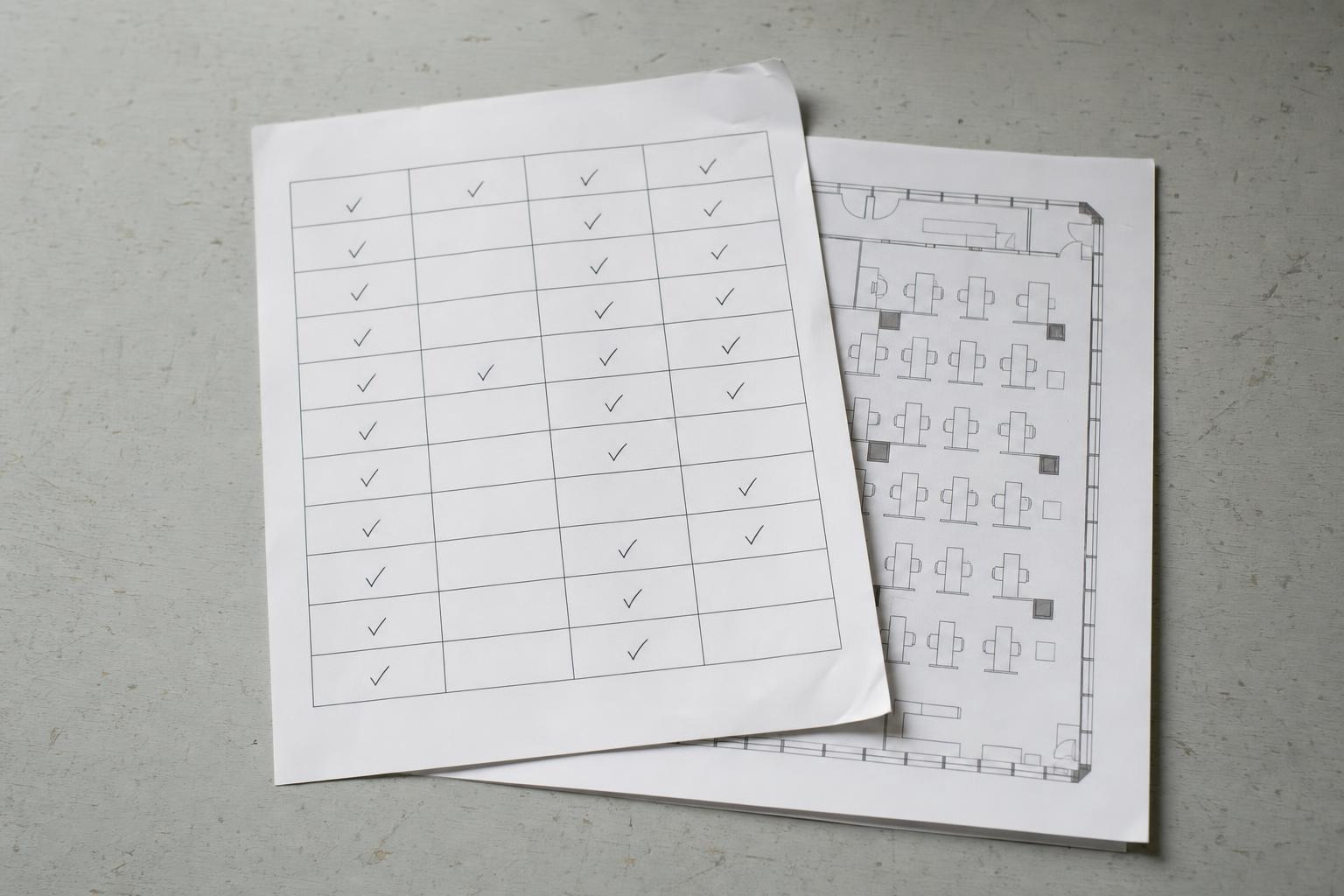
Before appointing anyone, return to the brief and check that the proposed team, scope and responsibilities still match it.
Choose the practice whose written appointment gives your business the clearest basis for decisions, not simply the proposal with the most impressive images or the lowest headline fee.