How to Choose and Manage Professional Painters Without Derailing Operations

I watched a retail fit-out in Ponsonby stall for nine days because the painting contractor had no traffic management plan, no after-hours capability, and no moisture readings before coating green timber.
The landlord lost a week of rent. The tenant missed a launch date. The painter blamed the weather.
The weather was not the problem. The procurement process was.
If your next commercial repaint overruns, tenants complain about fumes, and the finish chalks within two summers, the fix is not a cheaper quote. It is a tighter selection and delivery framework built around Auckland rules, climate, and measurable standards.
The decisions that matter come before the first quote, during scope definition, compliance checks, system selection, and contract setup. Treat this as a procurement-grade playbook for upgrades that hold up under daily use.
Focus on the Main Priorities
The fastest way to avoid cost blowouts is to lock scope, safety, and service continuity before price.
- Scope precisely or you will pay for variations. Define substrates, defects, access limits, permitted hours, and finish levels before you invite a single quote.
- Auckland-specific risks dominate outcomes. High UV, sudden rain, salty air, and tight CBD access windows shape both coating choice and site logistics.
- Safety and compliance are selection gates, not tie-breakers. Working-at-height procedures, scaffold certificates, traffic management plans, and lead controls should be checked before contract award.
- Use weighted evaluation because price alone picks the wrong contractor. Score health and safety pre-qualification, programme control, QA evidence, and comparable Auckland references.
- Contracts should reference New Zealand rules. Include Construction Contracts Act payment processes, test patches, inspection hold points, and measurable KPIs such as defect rate and dry film thickness.
- Maintenance is part of ROI. Specify washdown cycles and inspections to keep warranties valid and extend repaint cycles by years.
Understand Professional-Grade Painting in Auckland
A durable commercial repaint depends on the right system, the right controls, and the right conditions on site.
Professional-grade work is not just a neat finish. It is a coating system matched to the substrate and the local microclimate, applied with safe access, documented quality checks, transferable warranties, and a maintenance plan.
Auckland's climate sets the rules. NIWA notes year-round rainfall with short heavy falls, and Health New Zealand warns that UV levels across Aotearoa can be very high. Add salt from the Waitemata and Manukau harbours, and generic specifications start to fail fast.
The site itself also changes the risk. A south-facing wall can stay damp for days, while a west-facing facade takes stronger afternoon sun and heat. A contractor who does not assess those exposures is guessing.
The compliance picture is just as demanding. Commercial repainting may involve work at height under WorkSafe guidance, scaffolding that needs a Certificate of Competence above five metres, footpath occupation that needs an Auckland Transport traffic management plan, and interior finishes that must meet Building Code fire Group Number requirements. Environmental duties around lead paint and low-VOC, meaning low volatile organic compounds, add another layer.
The business case is simple. Better planning means fewer shutdowns, longer coating life, cleaner audits, and more predictable capital spending.
Define the Brief Before Tendering
Most expensive variations start with a vague brief, not a bad brushstroke.
Lock the main inputs before you approach the market. If bidders make different assumptions about prep, access, or staging, their prices are not truly comparable.
Surfaces and defects. List every substrate, including plaster, concrete, cedar, galvanised steel, aluminium, and GIB. Record coating failure, chalking, blistering, hairline cracks, rust bleed, and any signs of water entry.
Performance targets. Set a realistic durability horizon for each area. With the right system, preparation, and maintenance, ten to twelve years to first major exterior maintenance is achievable in non-severe exposure zones. For interiors, specify washability, stain resistance, and colour retention in high-traffic areas.
Paint system limits. For occupied interiors, target Environmental Choice Aotearoa EC-07 certified low-VOC products. Where interior fire performance matters, confirm the full system meets the required Group Number on the actual substrate, not just in a generic brochure. If a facade attracts tagging or hairline movement, state whether you want anti-graffiti or elastomeric coatings.
Access, hours, and neighbours. Define day or night shifts, noisy-task windows, loading dock bookings, goods lift use, hoarding, and security escorts. If the site is in the CBD or beside apartments, spell out the limits early so bidders price the same operating model.
Hazards to flag. Health New Zealand advises treating paint in pre-1970 buildings as potentially lead-based until testing proves otherwise. Also flag asbestos in older fibre-cement, confined spaces, fall hazards, and public interface zones. Require method statements before award, not after mobilising.
Acceptance criteria. Set finish levels by area and state the tolerance for sags, misses, and lap marks. Define dry film thickness, or DFT, sampling frequency, test patches for colour approval, and hold points, meaning mandatory inspections before the next stage starts.
Shortlist Contractors with a Seven-Step Process
A structured shortlist saves time because weak bidders are filtered out before they can distort the tender.
I use these seven checks in sequence.

Step one: pre-qualify for health and safety. Request current SiteWise or equivalent pre-qualification status. SiteWise, run by Site Safe, grades contractors Green or Gold based on evidence. Ask for working-at-height procedures, scaffold plans with Certificate of Competence documentation where any part exceeds five metres, and recent incident records.
Step two: verify insurance. Sight public liability cover that fits the asset and the risk around it, especially for multi-tenant CBD sites. Confirm statutory liability cover and check how subcontractors are insured.
Step three: check trade credentials. Master Painters NZ membership can signal workmanship standards and access to guarantees. Manufacturer accreditations can also help if your project has sustainability or warranty targets.
Step four: assess portfolio relevance. Ask for three Auckland projects with similar access limits, building type, and programme pressure. A strong school repaint is not proof that the same team can manage a live retail strip or an office tower lobby.
Step five: test technical competence. Request written paint-system specifications for each substrate, with reference to AS/NZS 2311 guidance where relevant. Dulux technical data warns against painting when the surface temperature sits within three degrees Celsius of the dew point, the temperature where moisture forms on a surface. Timber moisture content above fifteen percent also raises adhesion and blistering risk.
Step six: evaluate programme realism. Ask for a bar chart that shows shift patterns, weather contingency, public holidays, scaffold dates, and traffic management approval lead times. If the programme has no float and no staging logic, it is probably sales copy, not a working plan.
Step seven: confirm QA and handover capability. Review inspection test plans, DFT measurement methods, sign-off templates, defect close-out records, and warranty registration steps. If a contractor cannot show how quality is checked, quality is being assumed.
Score Bids with a Weighted Model
A weighted scorecard makes trade-offs visible and stops price from hiding weak delivery risk.
After you have defined scope, safety, and programme constraints, the next step is to seek bids only from firms that can repaint occupied offices or retail premises outside trading hours, manage compliance paperwork, and protect tenant access without turning the job into a shutdown. In that stage, it makes sense to invite proposals from professional painters Auckland when you need evidence of out-of-hours delivery and finish-spec control.
Price-only selection is one of the clearest predictors of repaint failure. Use a model that every stakeholder can see and defend.
A practical starting point is safety and compliance at twenty-five percent, technical method and paint system at twenty-five percent, programme reliability at twenty percent, past performance on comparable projects at fifteen percent, and price at fifteen percent.
Red flags to watch for. Preparation notes that say only "as needed" instead of naming methods by substrate. No moisture or DFT testing plan. No traffic management plan where footpath works are obvious. Generic warranties with exclusions that do not match your building exposure.
Tie-breakers that matter. The quality of a live site walk-through, the speed and depth of answers to RFIs, and a willingness to complete a pilot area with measurable pass-fail criteria before full mobilisation.
Once your scope, safety gates, and programme rules are locked, invite proposals only from firms that already operate well in live commercial sites. That is where a contractor such as Elite Painters Ltd may enter the shortlist, because after-hours delivery, occupied-site controls, and documented QA are central to that kind of work. The name matters less than the evidence, so ask every bidder for recent programmes, supervisor details, and defect close-out records on comparable Auckland jobs.
Specify Paint Systems for Auckland Conditions
Longevity comes from matching the coating system to the exposure, not from choosing the most familiar brand.
Specification drives service life. Auckland's mix of strong UV, coastal salinity, and high humidity demands systems built for those conditions.
Exteriors. Premium acrylic and acrylic elastomeric coatings usually suit masonry and plaster in New Zealand conditions. Salt-exposed metals should use systems aligned with the coating maker's corrosivity guidance for C3 to C4 environments. On dark facades, cool-pigment technology can help reduce heat stress on the film.
Interiors. Low-VOC washable acrylics work well in high-traffic commercial zones. Where fire performance matters, confirm the full system on the actual substrate meets the required Group Number under Building Code Clause C3. A compliant top coat on the wrong undercoat can still create a documentation problem.
Environmental selection. Environmental Choice Aotearoa's EC-07 standard sets recognised low-VOC criteria in New Zealand. Using EC-07 products can support indoor air quality goals and make sustainability reporting easier.
Preparation matters as much as product. The best coating will fail over dirty, damp, or unstable surfaces. Make sure the specification covers washing, scraping, rust treatment, filler compatibility, and primer selection, not just the finish coat.
Plan Work in Live Auckland Environments
Occupied buildings need a logistics plan as much as they need a paint specification.
Most commercial repaints happen while the site stays open. That means the contractor has to protect trading, not just the substrate.
Noise and hours. Auckland Council's noise rules set different permitted windows and limits by zone. Schedule sanding, scraping, and other loud prep tasks inside those windows. If night work is needed, tighten tenant coordination and confirm building management approval in writing.
Road corridor and footpath interface. Auckland Transport requires an approved traffic management plan before work affects the road corridor, footpath, or berm. Build approval lead times into the baseline programme. A scaffold on a busy Queen Street footpath without an approved plan is a stop-work event waiting to happen.
Tenant communication. Issue weekly look-ahead notices and daily alerts for disruptive tasks. Display hazard boards and site contacts. If wayfinding walls or entry doors are being repainted, arrange temporary signage before any stripping or masking starts.
Staging and containment. Break the work into zones so lifts, exits, and customer paths stay usable. Use odour control, dust barriers, and clear clean-down rules at shift end. In a live office or clinic, those details matter as much as colour accuracy.
Manage Lead, Handover, and Maintenance
The project is only successful if hazards are controlled, handover is complete, and the new finish stays protected.
Two areas get rushed more than they should: hazardous material controls and post-project maintenance. Both have a direct effect on return on investment.
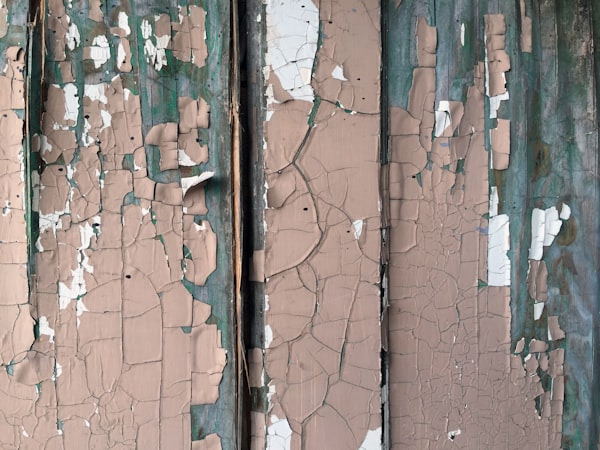
Lead-based paint. When a building predates the 1970s, test representative areas before work starts. If lead is present, prohibit dry sanding and uncontrolled abrasive blasting. Require wet methods or HEPA capture, tenant notice, practical containment, and disposal through Auckland Council's approved paint and lead-paint channels. Keep lab results and waste records in the operations pack.
Handover documentation. Collect signed workmanship and manufacturer warranties, product data sheets, colour schedules with codes and gloss levels, and cleaning recommendations. Register any warranty that needs formal activation. Before final payment, walk the site with a defects list and close it out area by area.
Maintenance plan. Resene maintenance schedules call for regular washdowns and inspections to preserve coating life in New Zealand conditions. Coastal or mould-prone elevations may need more frequent cleaning. Log dates, areas, systems, and next review points in the asset register so future budgets are based on evidence, not memory.
Contract protections. Reference the Construction Contracts Act 2002 for payment claim and schedule processes. Use liquidated damages where downtime costs are real. Set a twelve-month defect liability period, response times for high-visibility areas, and requirements for named supervisors, daily diaries, and incident reporting.
Answer Common Questions
Most disputes can be avoided when the scope, evidence, and site rules are clear from the start.
How many quotes should I get for a commercial repaint?
Three is usually enough, provided you score them against a published weighted model. That lets owners, tenants, and project managers compare safety, technical quality, programme reliability, and price on the same basis.
Can painters work after hours in the Auckland CBD?
Yes, but the site plan must reflect stricter night-noise limits, security access, and cleaning at shift end. If access equipment affects the footpath or road corridor, an approved traffic management plan is still required.
What stalls painting programmes most in Auckland?
Weather windows, traffic management approval delays, and scaffold lead times are the most common causes of slippage. Build contingency into the baseline programme instead of hoping those risks will not appear.
How do I know if my building has lead paint?
Test suspect areas on any building constructed before the 1970s. If results are positive, switch to lead-safe methods such as wet removal, HEPA filtration, controlled cleanup, and approved disposal.
What is a realistic durability target for exterior paint in Auckland?
With the correct system, thorough preparation, and scheduled maintenance, ten to twelve years to first major exterior maintenance is realistic in non-severe exposure zones. Coastal and high-UV sites may need upgraded systems or shorter cycles.
Do I need fire performance documentation for interior repaints?
Where interior surface finish rules apply under the Building Code, yes. Ask the coating manufacturer to confirm that the specified system on your actual substrate meets the required Group Number classification.

.jpg)