How To Select a Ute Canopy for Work, Storage, and Compliance in Perth

Two Rangers left Osborne Park on the same morning for a Wheatbelt job. One carried a 126 kg steel canopy with loose drawers and no vent.
The other used an aluminium build at 75 kg, a forward-facing dust vent, and labelled tie-down points rated to the Load Restraint Guide.
Only one arrived with dry tools, quick access, and no issues at a roadside check near Northam. The gap came from better specification, not luck.
For a Perth trade business, canopy choice affects payload, downtime, theft risk, and compliance. A poor setup cuts carrying capacity, leaks dust, and slows every stop.
The right setup starts with clear numbers and clear use cases. Weight, roof loads, sealing, storage layout, and WA rules all need to be checked before the order goes out.
Key Takeaways
A canopy pays for itself when its weight, sealing, and layout match the work the ute does every day.
- Match the material to the job. Aluminium suits most Perth fleets because it balances low weight and corrosion resistance. Steel works for heavier roof loads, but it uses more payload.
- Do the payload math first. Payload equals Gross Vehicle Mass, or GVM, minus kerb weight. Then subtract people, accessories, tools, and tow-ball download if the ute tows.
- Seal for dust and rain. A forward-facing vent, good tailgate sealing, and IP-rated electrics help keep red dust and winter water out of the cargo area.
- Check roof ratings as a full system. The safe load is set by the lowest-rated part, not the strongest-looking one.
- Treat buying as a project. Stock checks, installation quality, weighbridge records, and paperwork matter as much as the canopy itself.
What a Ute Canopy Does for a Work Vehicle
A canopy is more than a lid, because it changes how the vehicle carries weight, stores tools, and handles weather.
A ute canopy is a hard enclosure fitted to a tub or tray. It secures gear, shields it from rain and dust, and creates mounting points for racks and accessories.
The first choice is whether you need a tub-mounted or tray-mounted unit. After that come material, door style, window access, central locking, and whether the roof must carry ladders, conduit, or light camping gear.
Perth conditions make those choices harder. Hot summers shorten seal life, winter rain tests drainage, sea air attacks unprotected steel, and red inland dust gets through gaps that look minor in the workshop.
The Perth Metro station 009225 records mean annual rainfall of 726.9 mm, with most rain from June to August. That is enough water to expose weak seals, poor drainage, and badly planned electrical work.
Three Benefits of Getting the Spec Right
Good specification protects time, money, and safety long after the install is finished.
That matters most for work utes that stop, load, and unload several times in a single day. It also reduces crew frustration, which is harder to measure but easy to notice after a month of use.
1. Protect Uptime and Safety
Fast access saves minutes on every call-out. Proper restraints, labelled storage, and doors that open cleanly also reduce tool loss, shifting loads, and roadside arguments about unsafe cargo.
2. Preserve Vehicle Performance
Weight is the hidden cost in canopy selection. An aluminium unit can free 40 to 70 kg compared with steel, which helps braking, rear-axle margin, and fuel use on long suburban runs.
3. Lower Whole-of-Life Cost
A well-sealed canopy cuts rust repairs, wet-tool replacement, and rework caused by dust. Modular shelves and drawers also make vehicle replacement easier, because more of the fit-out can move to the next ute.
What To Specify for WA Job Sites
Five checks decide whether a canopy will work on site or become an expensive source of friction.

Start with material, then move to sealing, payload, roof load, and storage layout.
Choose the Right Material
Material choice sets the balance between strength, corrosion resistance, and usable payload. The right answer depends on where the ute goes and what needs to ride on the roof.
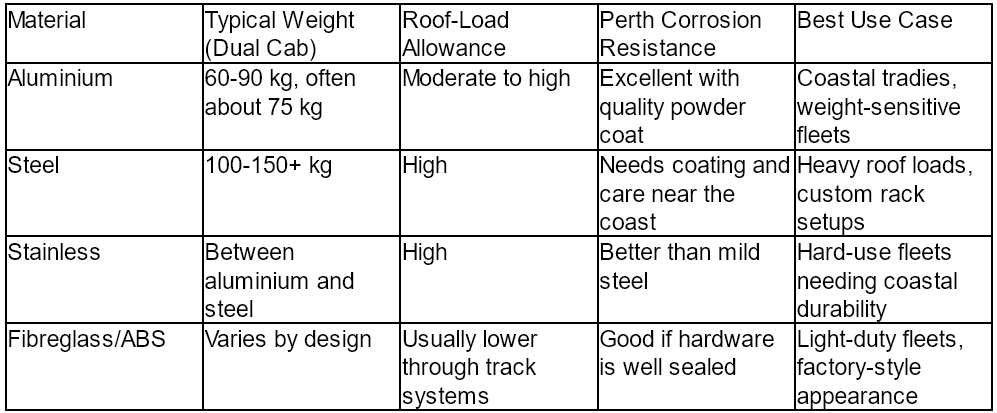
Aluminium suits most Perth fleets because it gives strong corrosion resistance without a large weight penalty. Steel still has a place when roof loads are heavy, but its extra mass needs to be justified on paper, not by habit.
Fibreglass can work for lighter duty fleets that want factory styling. The trade-off is lower roof allowance and fewer options for custom shelving or side access.
Stainless steel sits between the two on weight and durability, but the purchase price is usually higher. It makes sense when corrosion risk is constant and the ute works close to the ocean.
Seal Out Dust and Water
On unsealed roads, a forward-facing vent helps create positive pressure inside the canopy. That pushes air out through gaps instead of letting red dust get pulled in through the tailgate and door seals.
Use compression seals on all openings and a proper tailgate seal kit where needed. Interior lights, switches, and connectors should be rated at least IP65, which means dust-tight protection with resistance to low-pressure water jets.
If the ute works near the coast, rinse salt spray off the canopy and rack hardware. Separate dissimilar metals with nylon washers to reduce galvanic corrosion, which is corrosion caused by metal-to-metal contact.
Drain paths should stay clear, especially after canopy lining or wiring work. A blocked drain can turn a minor leak into standing water under tools and batteries.
Calculate Payload Early
Payload is the difference between Gross Vehicle Mass, or GVM, and kerb weight. Once you add people, accessories, tools, fuel, and tow-ball download, the usable allowance drops fast.
Take a Ranger with a 1,211 kg payload. A 126 kg steel canopy, 100 kg drawer system, 120 kg for two workers, and 80 kg of tools consume 426 kg before any cargo or tow-ball weight is counted.
Swap that canopy for a 75 kg aluminium unit and you recover 51 kg straight away. That can be the difference between a legal setup and one that quietly overloads the rear axle.
Keep dense items low and as far forward as practical. Axle limits matter as much as total GVM.
Check Roof-Load Limits
Roof loading has two numbers. Dynamic load is the limit while driving. Static load is the higher limit while parked, such as when supporting a rooftop tent.
The safe figure is always the lowest-rated part in the chain, including the vehicle roof, the canopy or rack track, the bars, and the accessory. One high rating does not override a lower one elsewhere.
Unsealed roads usually reduce the allowed load. That matters for WA crews carrying ladders, conduit, or survey gear into regional sites where corrugations are common.
Plan Storage by Trade
Layout should follow the job, not the catalogue photo. Electricians need small-parts storage and a clear space for ladders, while plumbers need wet and dry separation plus fast access to heavy hand tools.
Landscapers and civil crews usually need long-item racks, fuel-safe lockers, and easy-clean liners. Shelf heights should match the crates, tubs, and cases your team already uses.
Before final sign-off, load the common items onto the floor and sketch the reach zones. That simple mock-up usually exposes dead space or awkward drawer depths.
Where To Buy and Install in Perth
A solid canopy can still fail if the installation and handover are sloppy.
Check past installs before you book. Wiring should be clipped and protected, cable penetrations should be sealed, and rack tracks should show proper torque and neat finishing.
Ask for a weighbridge slip after fitment. That gives you a verified tare baseline, which makes later payload checks easier and helps if a compliance question comes up.
Lead time also needs scrutiny. Confirm stock status, powder-coat timing, and whether the electrician, rack fitter, and lock installer can all work on the same booking.
If central locking or auxiliary power is included, confirm who owns the warranty across the canopy and the vehicle wiring. Split responsibility can turn a simple repair into weeks of delay.
At pickup, run a simple quality checklist. Test locks, hose the canopy, inspect door gaps, confirm the vent works, review the fuse map, and look for torque marks on rack fasteners.
Before you rely on a quoted delivery date, compare it with live local stock, installation slots, and the timing of related electrical or rack work. That extra check helps you separate on-hand inventory from factory-order promises, and one simple way to verify Perth-category availability before you commit is to search ute canopy Perth for a local stock snapshot.
That extra step is dull, but it can save weeks of downtime when a vehicle is already off the road. It also helps when you need to compare like-for-like stock across more than one supplier.
Compliance, Risk, and Paperwork in Western Australia
Compliance is easier when the paperwork is planned before the build starts.
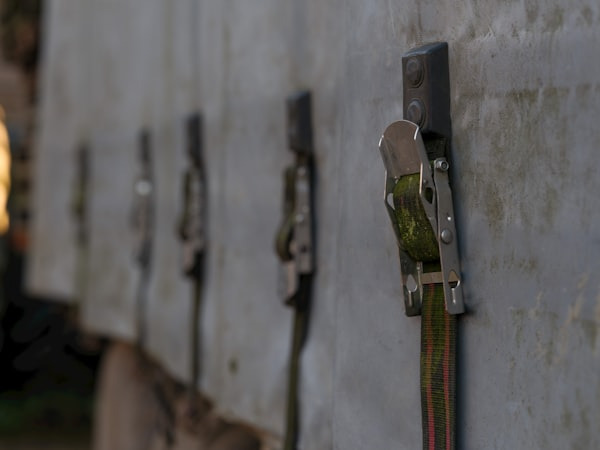
Western Australia uses the performance standards in the National Transport Commission Load Restraint Guide. Loads must not shift in a way that endangers the driver or other road users.
Use anchor points and straps that suit the task, and keep ratings visible where possible. AS/NZS 4380 straps are a sensible benchmark for many work-ute restraint jobs.
Many light-vehicle modifications fall under Vehicle Standards Bulletin 14, or VSB14. Some are treated as simple inspection items in WA, while others need engineering approval before or after the work is done.
Gross Vehicle Mass upgrades are available for some ladder-frame utes up to 4.5 tonnes GVM under WA guidance. They can improve legal payload, but they do not increase the towing capacity set by the manufacturer.
Tell your insurer about canopy, rack, battery, and electrical changes. Keep receipts, load ratings, weighbridge records, and engineering papers in the vehicle or fleet file.
Roadside checks are faster when the driver can show weights and ratings without digging through old emails. Good records also protect you if a claim is questioned after a theft, crash, or water ingress problem.
Make the Canopy Work for You, Not Against You
The best canopy is the one that fits the vehicle, the route, and the trade.
Choose materials for Perth heat, winter rain, and salt exposure. Check payload and axle numbers, confirm roof limits, and make sure every shelf or drawer supports the way the crew actually works.
Then buy through an installer who can prove weights, ratings, and fitment quality. One careful afternoon of specification can prevent months of lost time, wet tools, and avoidable compliance stress.
Frequently Asked Questions
These quick answers cover the issues buyers raise most before they place an order.
Which Canopy Material Suits Coastal Perth Best?
Aluminium or stainless steel are safer choices near sea air than untreated mild steel. Quality powder coat and proper isolation between metals help prevent corrosion over time.
How Do I Calculate Safe Payload After Adding a Canopy and Drawers?
Start with GVM minus kerb weight. Then subtract occupants, canopy weight, drawers, tools, fuel, and tow-ball download if the ute tows.
What Is a Typical Canopy Weight by Material?
Aluminium dual-cab units often sit around 75 kg. Steel units usually land between 100 and 150 kg or more, depending on size and rack design.
Can I Carry a Rooftop Tent or Ladders on the Canopy?
Yes, if you stay within the lowest rating across the vehicle, canopy, rack, and accessory. Always check both dynamic and static ratings, and allow for lower limits on rough roads.
How Do I Keep Red Dust Out on Unsealed Roads?
Fit a forward-facing vent, keep door seals in good condition, and use a proper tailgate seal kit. Cleaning and inspecting seals at each service interval helps maintain performance.
Do I Need Approval for a Canopy Fit-Out in WA?
Some changes are simple inspection items, while others need engineering sign-off under WA modification rules. Check the current Department of Transport guidance before booking the install.
Are There Quick Fuel-Saving Wins After a Canopy Is Fitted?
Remove unused roof bars and accessories, avoid carrying dead weight, and choose lighter materials where possible. Smooth driving also matters more than most operators expect.