How to Successfully Launch and Scale a Global Business in the UAE
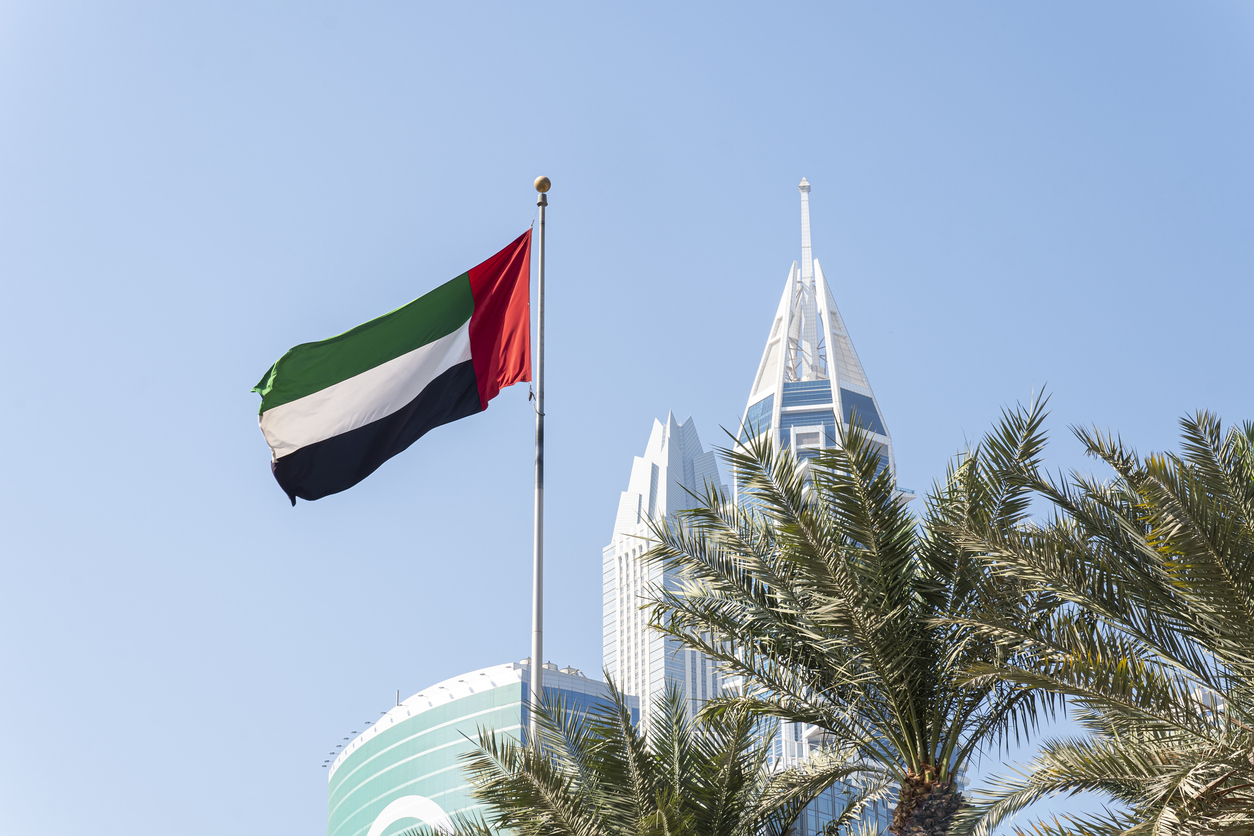
The United Arab Emirates has rapidly transformed into a premier destination for global expansion. Driven by a thriving non-oil sector, the country's gross domestic product expanded by 6.2% in 2025 to reach a staggering AED 1.9 trillion. This economic momentum is drawing attention from corporate strategists and international founders alike, who view the region as a strategic bridge connecting Eastern and Western markets. Backed by investor-friendly structural reforms, the Emirates continue to attract record-breaking capital, with net foreign direct investment exceeding $48 billion in recent tracking by the World Bank. However, tapping into this lucrative market requires more than just capital. It demands a clear understanding of local regulations, financial compliance, and workforce integration, ensuring a seamless transition into a highly competitive environment.
Navigating the Initial Setup and Legal Landscape
Entering the Emirati market starts with choosing the right jurisdiction and corporate structure. The Dubai Chamber of Commerce reported a massive influx of over 53,000 new enterprises during the first nine months of 2025 alone, reflecting the massive appeal of the region. Demonstrating the strength of local trade networks, the value of exports and re-exports handled by Dubai Chamber members hit a record-breaking AED 356.5 billion in the same year. Deciding between a mainland setup or a free zone entity will fundamentally shape your business trajectory, dictating everything from permitted activities to physical office requirements.
Establishing a compliant foundation is the most critical hurdle foreign investors must clear. Understanding the nuances of mainland versus free zone incorporation will dictate your operational scope and tax liabilities. Successfully executing your company registration in UAE ensures your enterprise is properly licensed and positioned to scale without regulatory roadblocks. Once the legal groundwork is established, business owners can focus on leveraging government initiatives designed to accelerate commercial growth, rather than worrying about bureaucratic delays. Proper guidance during this phase often saves companies significant time and resources.
Establishing Financial Compliance from Day One
The UAE offers a highly competitive corporate tax framework tailored to support both startups and established multinationals. Under current regulations, a 9% rate is applied only to taxable income exceeding AED 375,000. Net profits below this threshold are taxed at 0%, making the jurisdiction exceptionally viable for early-stage ventures. Free zone entities that conduct business strictly within their designated zones or export outside the mainland can even maintain a 0% rate by securing Qualifying Free Zone Person status. Additionally, while a 15% Domestic Minimum Top-up Tax was recently integrated to align with the OECD Pillar Two initiative, this exclusively impacts large multinational enterprises with global revenues exceeding EUR 750 million.
Once your corporate entity is officially formed, it is crucial to maintain strict local compliance to avoid penalties. The country mandates a standard 5% Value Added Tax on most goods and services, requiring meticulous record-keeping. New business owners must proactively set up their financial infrastructure to align with federal standards from the very beginning. A practical first step is investing in the best FTA-approved accounting software in the UAE to automate VAT filings and seamlessly manage multi-currency transactions. Setting up this software early prevents administrative bottlenecks as transaction volumes grow, allowing your finance team to focus on strategic forecasting.
Building a Compliant and Sustainable Workforce
Scaling a business in the Middle East also requires strategic workforce planning. The federal Nafis initiative, backed by an AED 24 billion allocation, mandates private sector companies with 50 or more employees to increase their Emirati workforce in skilled jobs by 2% annually. Failing to meet these localization quotas carries strict penalties, with the monthly financial contribution for each unfilled Emirati position reaching AED 10,000 as of mid-2026. Navigating these requirements proactively ensures a harmonious and legally sound operational environment.
To attract top-tier global talent alongside local hires, founders should explore the various long-term residency options available. The 10-year UAE Golden Visa program offers several pathways designed to retain high-value individuals:
- The Entrepreneur Track: This option requires a minimum business project value of AED 500,000 that has been formally endorsed by an accredited UAE incubator.
- The Investor Track: International founders and high-net-worth individuals can alternatively secure long-term residency by purchasing UAE real estate valued at AED 2 million or more.
- The Nafis Quota Integration: When scaling a team beyond 50 employees, founders must proactively factor in federal quotas, ensuring they integrate local talent to meet the 10% cumulative baseline required in 2026.
Looking Ahead to Long-Term Expansion
Dubai's sweeping D33 Economic Agenda aims to double the emirate's GDP by 2033, targeting AED 32 trillion in total cumulative economic activity. As part of this ambitious vision, the government is actively cultivating the next generation of tech leaders, aiming to support 30 unicorn startups through specialized resources like the Dubai Chamber of Digital Economy. The infrastructure, talent pool, and geographic advantages provide an unparalleled launchpad for global ambitions. By meticulously managing legal setup, financial compliance, and workforce integration, international enterprises can secure their place in one of the most dynamic business ecosystems in the world.