How to Use Spatial Intelligence to Prevent Costly Construction Rebuilds
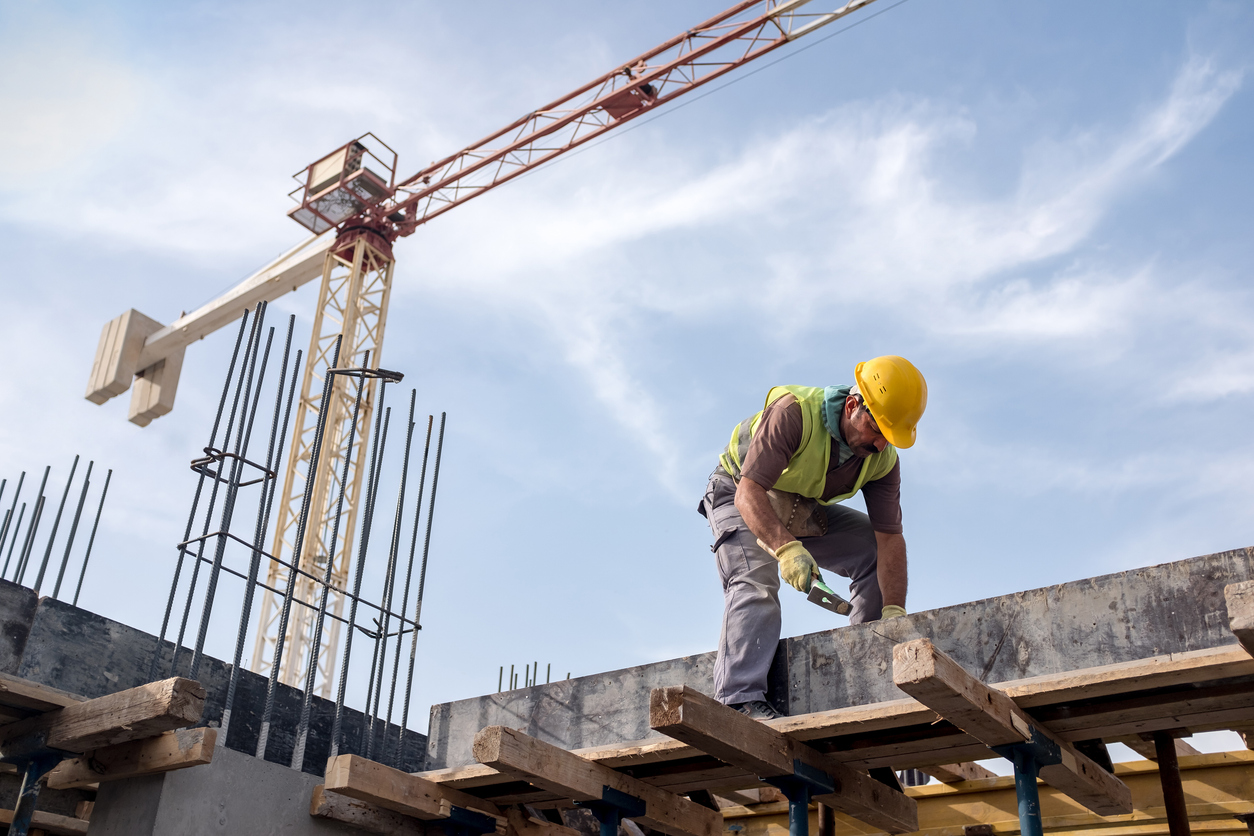
Rework is the construction habit that costs you the most. A concrete wall installed in the wrong place. A framing offset that's half an inch out. These mistakes seem trivial in the moment. But they're the tiny hinges that swing big doors six months later, when it costs at least ten times as much to move a piece of duct-work or a plumbing line item.
Why Rework Compounds the Way it Does
It's not just the cost of rework on construction errors that hurts; it's when that rework occurs. A structural deviation observed during foundation work requires a single day to correct. That same deviation uncovered after the mechanical, electrical, and plumbing contractors have studded, wired, and piped their systems around it can necessitate weeks of demolition, redesign, and reinstallation.
Inferior project data and miscommunication lead to 52% of global construction rework (FMI Corporation). That's not a talent issue; it's an access-to-information issue. Field teams are making decisions based on field conditions before anyone verifies what's been built in relation to the design. By the time someone compares the as-built conditions to the as-designed BIM model, multiple trades have already signed off on a layout that won't work.
Automating BIM-to-Field Verification
The most advantageous aspect is when the reality capture data is automatically superimposed on the BIM model. The software will indicate where physical conditions deviate from the design, such as a wall being two inches out of the plane, a lowered ceiling, or a concrete pour exceeding the clearance zone reserved for ductwork. Each of these indicators is a rework event that will not occur.
In order to minimize the discrepancy between design intent and physical reality, proactive contractors are using 3D digital twin solutions like https://www.cupix.com/ to map job sites and automatically compare physical progress with BIM design. VDC managers no longer need to manually piece together files or ask field supervisors for condition photos for this comparison.
Clash detection between MEP systems and structure has been available in design software systems for decades. Spatial intelligence expands the logic of this into the location where construction actually occurs, the field. It identifies the model's clashes that the design never anticipated because the built environment has shifted from what was shown in the model.
Shifting From Manual Walks to Continuous Capture
Instead of waiting weeks for concrete to be delivered and poured before checking measurements against the BIM, and then realizing you're out of tolerance and have to tear it all out, well, you can see why that's a big deal. It's not just time and money saved on rework. It's avoiding all the scheduling headaches that come with it, extra days to pour the concrete again, knock-on delays to the next phase of work.
Remote Collaboration Without the Travel Cost
Design discrepancies are not automatically solved during construction. They often aren't even noticed until building systems clash in the field, with estimates suggesting that 40% of a project's labor can be wasted on rework resulting from clashes and other errors made during construction.
And, with the complexity of current building designs, finding and resolving design discrepancies on a construction site is tough work, especially as construction gets more and more fast-tracked, leaving less and less time to identify and resolve problems.
In contrast, during construction, the same 3D BIM architectural model that was used for coordination between disciplines in the design phase can be used for clash detection between building systems. This process, which is essentially an automated comparison of the spatial locations of 3D objects representing separate building systems, is facilitated by specialized software.
What Spatial Intelligence Actually Does to Margins
Construction profit margins are very small. When a mid-size commercial project is 3-5% that's almost no room for error or rework. If you reduce total rework costs by 1-2% it doesn't mean you just saved profit, it often means the difference between getting paid and taking a loss.
VDC managers and project executives who have put in place formalized spatial intelligence programs all say roughly the same thing: the total cost of the technology is a small fraction of the cost of one rework event that technology could have prevented.
One avoided MEP conflict in a mechanical room can pay for the team and the technology for months. You only need to capture and stakeout a few missing fire doors to see ROI on laser scanning.
The costs make sense and they aren't big. Large GCs are already renting lasers weekly. The difference is figuring out a way to rent one less day per week but use it on all your projects.