How Video Evidence Can Support Your Calgary Injury Claim
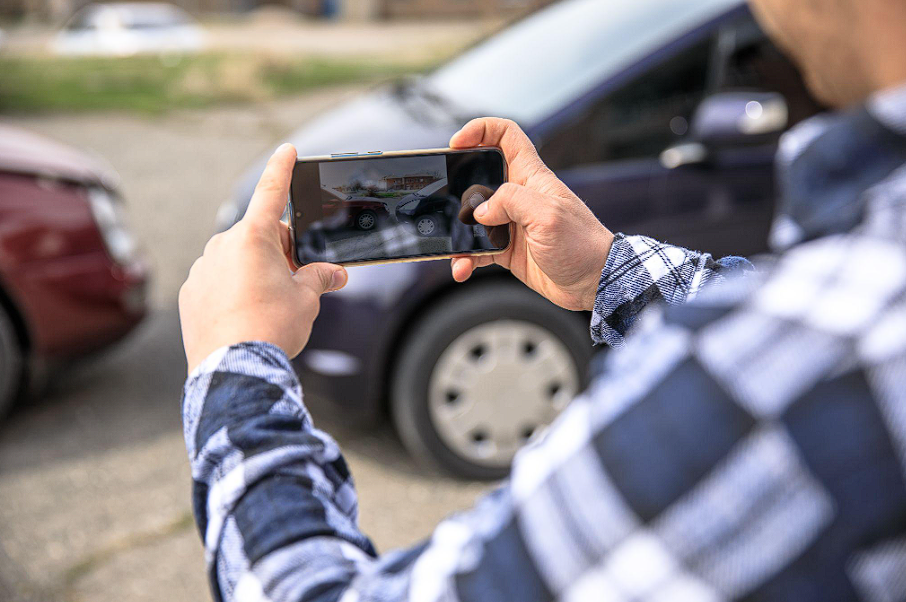
After an accident, your body hurts, and your mind fills with questions. One of them may be whether a camera caught what happened, or whether your own phone video counts for anything. Footage can show details that memory loses and other people dispute, but only if someone saves it in time. Many people talk with an experienced Calgary personal injury lawyer to learn how video fits into a claim. Those talks often start with one question: who has a copy?
What Video Can Show About an Accident
Video records details that memory loses. After a fall or a collision, most people can’t say exactly what they saw, and that is normal. A recording can show which way a driver turned, what colour a signal was, or how long ice sat on a Calgary walkway before someone slipped. Those details matter because fault often comes down to negligence (failing to exercise reasonable care, resulting in harm or injury to another party). Negligence can come from an action or from a failure to act. When two people tell different stories, a recording gives an insurance company something neutral to review. It can even show how someone fell, which may help doctors and insurance companies understand the injury. A few seconds of video can end an argument about timing.
Footage can also show whether more than one person shares blame, and that can affect how compensation is decided. If you share fault for your accident, you may still be able to recover some compensation under Alberta’s Contributory Negligence Act. For example, if you are 20% responsible for the accident, a settlement amount of $100,000 would be reduced to $80,000 to account for your 20% shared fault.
Where Video Evidence Often Comes From
Your own phone is often the first camera at the scene, and photos and video from the scene can capture vehicle positions, damage, and hazards. Other footage sits in places you may not think to check. A store clerk or building manager can often tell you whether a camera covers the spot where you fell. A neighbour’s camera may have caught the moment from another angle. Cameras often hang above doorways, beside gas pumps, and along parking lots, so look up when you retrace your steps. No single clip tells the whole story, and four sources come up most often:
- Dashboard cameras
- Business security cameras
- Doorbell cameras
- Bystander phone videos
Why Footage Can Disappear Quickly
Many recordings don’t last long. Alberta’s privacy commissioner tells businesses to keep video only as long as they need it. Many security systems record over older footage on a regular schedule. Businesses must also follow Alberta’s Personal Information Protection Act when they record people, so some may ask for a formal request before they share a copy. You also have a right to ask for footage that shows you, but the business must protect the privacy of anyone else on it. A clip that exists on the day of your accident could be gone before your first follow-up appointment.
Time limits apply to the claim itself, too. Under Alberta’s Limitations Act, you usually have two years from the date of the accident to file a claim. While there are some rare exceptions, missing the deadline means permanently losing your right to recover compensation. These deadlines are very strict. Evidence also gets harder to gather as time goes on, so speaking with a lawyer sooner rather than later is generally better.
Steps That Help Protect Your Footage
Once you know footage exists, keeping it unchanged matters as much as finding it. A clip that has been trimmed, edited, or filmed off another screen can raise doubts about whether it is complete. Original files that show the date and time are usually easier for others to trust. If you can’t tell whether a copy is the original, the person who owns the camera can often explain how it was saved. Four habits make that easier:
- Save original files
- Note date and time
- Make backup copies
- Ask owners promptly
Video Is Only One Piece of Your Claim
Video can show how an accident happened, but it can’t show how you feel the next morning or what recovery will cost. Medical records and doctors’ opinions show what the injury did to your body. Your own account shows how it changed your days, and both still carry much of a claim. Each piece answers a different question, and footage is most useful as one part of a larger picture.
It can also cut both ways. A clip might show a hazard clearly. Another might show you lifting a box weeks after an injury. The other side may also look at what you share online. If you’re hurt and can’t gather any of this yourself, that’s understandable. A friend or family member can often help you ask for it.