Is a Magnetic Power Bank Practical for Everyday Use?
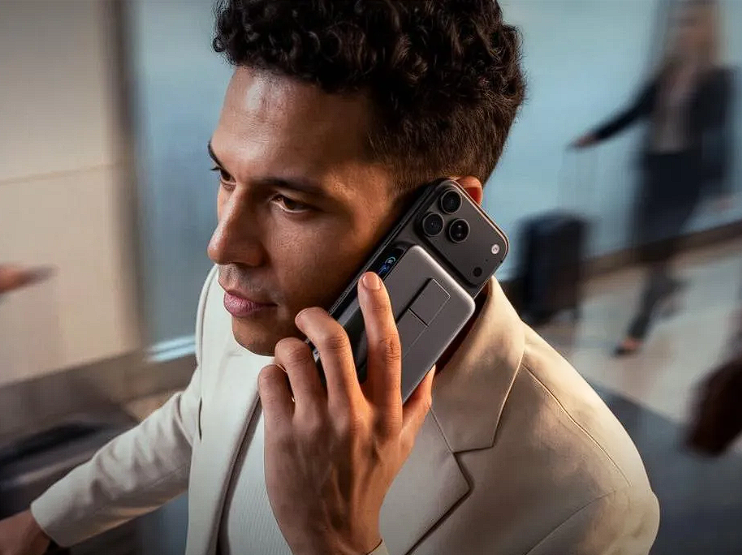
A magnetic power bank is practical for everyday use when you want quick, cable-free top-ups without changing how you use your phone. It attaches directly to the back of a compatible device, so charging can continue while you text, scroll, watch, or check directions. That convenience makes it more useful than a loose battery pack that stays in your bag until your phone is nearly empty. The trade-off is simple: magnetic charging adds bulk, creates some heat, and usually works best for steady recharging rather than the fastest possible refill. If you value convenience and frequent small top-ups, it can fit daily life very well.
Does Magnetic Charging Fit the Way You Use Your Phone?
Holding Your Phone During Everyday Top-Ups
Magnetic charging works best when you regularly pick up your phone and use it in short bursts throughout the day. The power bank stays attached, so you can reply to messages, scan boarding passes, or order coffee without a cable hanging from the bottom edge. That makes everyday top-ups feel less disruptive than wired charging. Still, comfort matters. Even a well-aligned unit adds thickness and weight, which can make one-handed use less secure during long calls or extended reading. If you often hold your phone while walking, check whether the magnetic grip feels firm enough through your case. For quick routines and light multitasking, magnetic charging is usually a genuinely practical option.
Charging at a Desk or During a Break
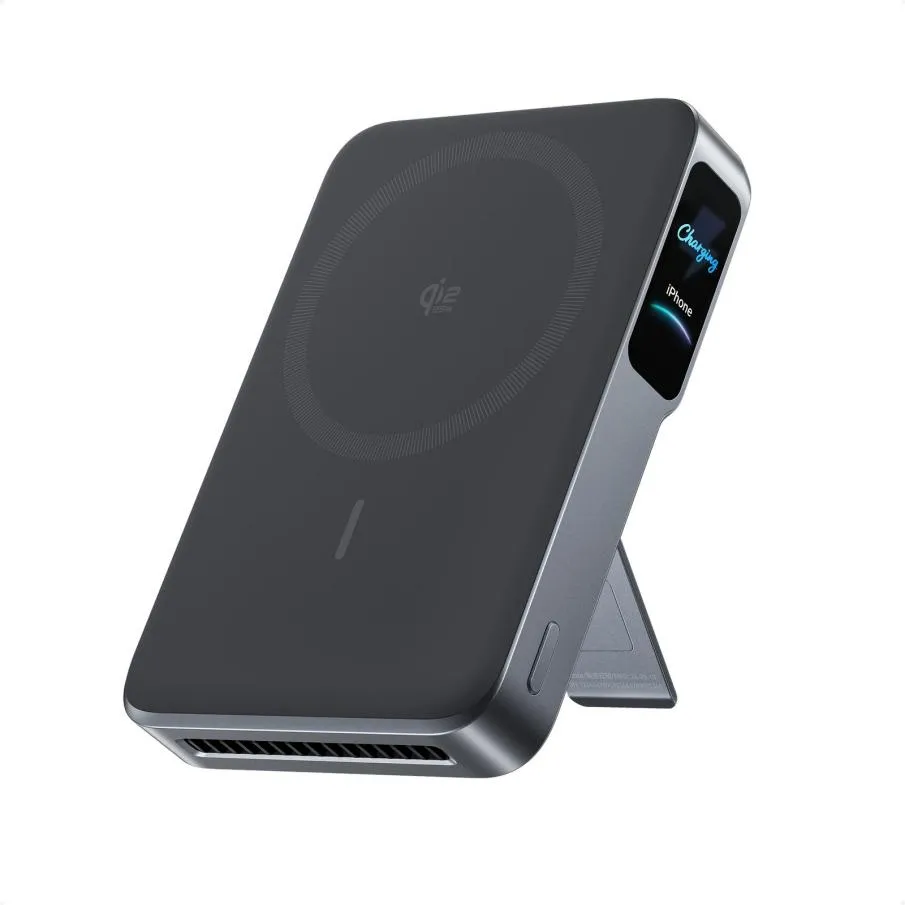
A magnetic power bank is especially practical when your phone spends time on a desk, bedside table, or café counter between tasks. You can attach it in seconds, let the battery climb during a meeting or lunch break, and remove it when you head out again. That pattern suits people who prefer topping up in small windows instead of waiting for a full recharge later. A model with an adjustable built-in stand, such as the Anker MagGo Power Bank 2 Pro, adds extra convenience for video calls, streaming, or reading while charging. In these lower-movement moments, the extra bulk matters less, and the easy on-off design becomes one of the biggest everyday advantages.
Check Compatibility and Charging Behaviour
Match Your Phone and Case to Magnetic Wireless Charging
Practicality starts with compatibility. Your phone needs proper magnetic wireless charging support, and your case also needs to allow accurate alignment. A thick case, metal ring, card holder, or uneven back panel can weaken the connection and make charging less reliable. That matters in daily use because a magnetic power bank only feels convenient when it snaps into place quickly and stays aligned while you move around. When comparing Anker charging hot deals, confirm your phone and case support magnetic attachment and compatible wireless charging. If you switch cases often, test the grip with your preferred setup. Good compatibility turns magnetic charging into a simple habit instead of a fiddly accessory.
Consider Heat Management While the Phone Is in Use
Heat is one of the main factors that affects whether a magnetic power bank feels practical day to day. Wireless charging naturally produces more heat than wired charging, and temperatures can rise further when you are streaming, navigating, gaming, or using mobile data at the same time. Better heat control helps charging stay more consistent and keeps the phone more comfortable to hold. The Anker MagGo Power Bank 2 Pro addresses this with SnapCool active cooling and both Cool and Silent modes, giving users a choice between stronger thermal management and quieter operation. If you charge while actively using your phone, effective heat management is not a bonus; it is essential.
Will the Power Bank Keep Up With Your Daily Routine?
Balance Battery Reserve Against Everyday Carrying
A magnetic power bank is most practical when its battery reserve matches your routine without becoming annoying to carry. More capacity means more backup power, but it also usually means more size and weight in your pocket or bag. For many people, 10,000mAh is a useful middle ground because it gives meaningful support through commutes, errands, travel days, or long work sessions without feeling like a full-size battery brick. Think about how often your phone drops into the red before evening and whether you want emergency backup or regular daily topping up. If you carry light and only need occasional help, a smaller unit may feel better in everyday use.
Check USB-C Charging and Overnight Readiness
Daily practicality is not only about how the power bank charges your phone, but also how quickly the power bank itself is ready again. USB-C input matters because faster recharging makes it easier to restore the pack overnight or between outings without long waits. The Anker MagGo Power Bank 2 Pro supports up to 45W USB-C input and output, which improves flexibility for both recharging the bank and powering other devices by cable when needed. That can make a noticeable difference if you use one accessory for your phone, earbuds, or tablet during the week. A power bank is far more practical when it starts each morning charged and ready.
Conclusion
Yes, a magnetic power bank is practical for everyday use when convenience matters more than the absolute fastest charging speed. It suits people who prefer frequent top-ups, use their phones throughout the day, and want charging to happen with minimal interruption. The best experience comes from choosing a model that matches your phone, manages heat well, and offers enough capacity without becoming awkward to carry. If it also recharges quickly and fits naturally into your overnight routine, a magnetic power bank can become one of the most useful accessories you carry.