Minimising Equipment Downtime: Essential Strategies for Construction and Heavy Industry
Equipment downtime costs the construction and heavy industry sectors millions of dollars annually. When critical machinery stops working or isn't available when needed, the financial impact extends far beyond simple repair bills.
Smart operators understand that minimising downtime requires both proactive planning and rapid response capabilities. This guide explores essential strategies for keeping your operations running smoothly, from flexible equipment solutions to emergency repair services.
The True Cost of Equipment Downtime
Downtime calculations must account for far more than the obvious costs of repairs or rentals. Every hour of idle equipment creates cascading effects throughout your entire operation.
Direct costs include lost productivity, idle labour, and potential penalty clauses for missed deadlines. A single day without a critical crane or piece of heavy machinery can cost thousands in wages for workers who cannot complete their tasks.
Indirect costs prove even more damaging over time. Damaged client relationships, lost future contracts, and reputation harm all trace back to reliability failures that clients remember long after projects are complete.
The construction industry operates on tight margins where profitability depends on efficient equipment utilisation. Unplanned downtime can transform profitable projects into loss-making exercises within days.
Proactive Maintenance: Your First Line of Defence
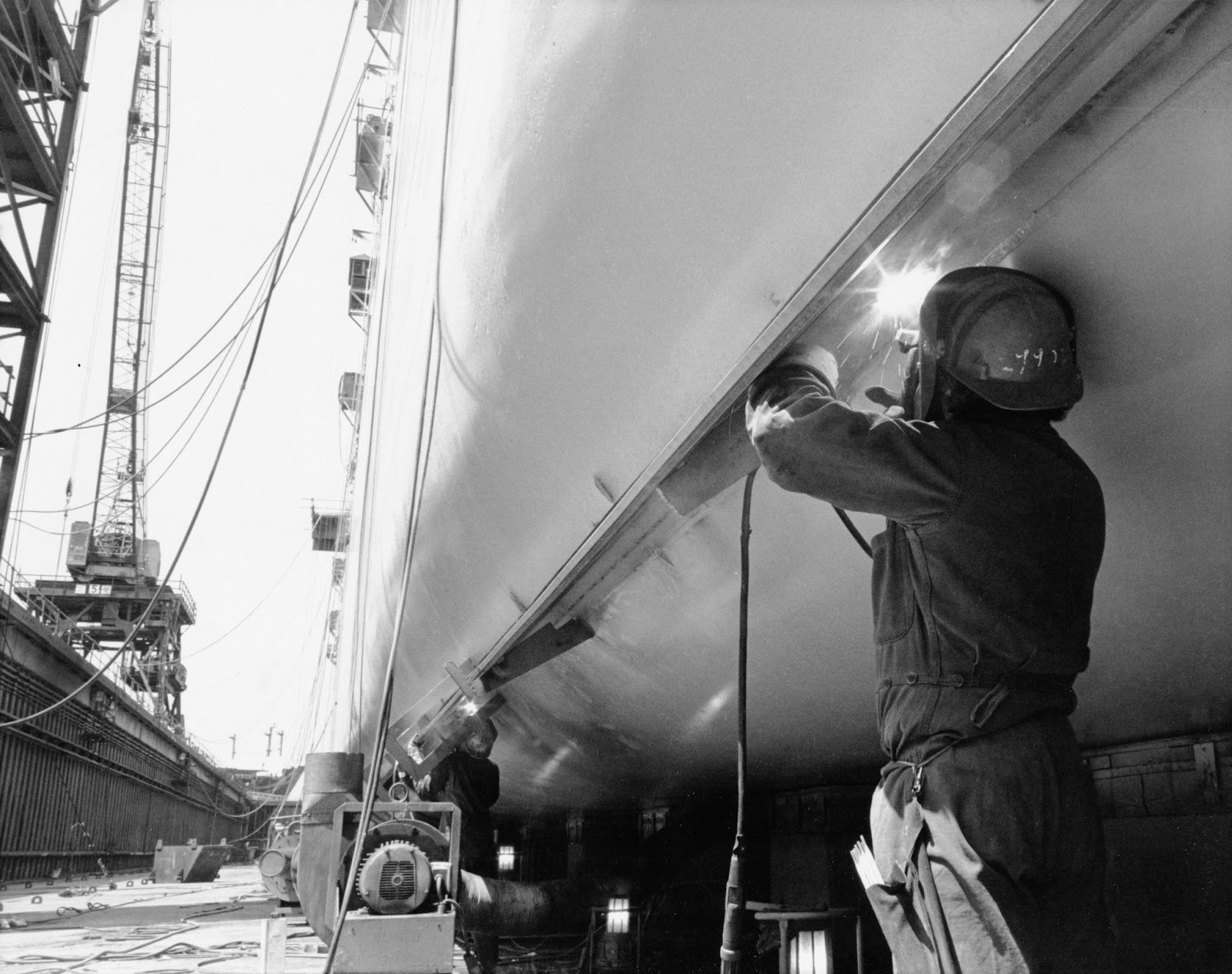
Preventive maintenance programs catch developing problems before they cause catastrophic failures. Regular inspections, fluid changes, and component replacements cost far less than emergency repairs and lost productivity.
Establish maintenance schedules based on manufacturer recommendations and your specific operating conditions. Equipment working in harsh environments or running extended hours requires more frequent attention than lightly used machinery.
Document all maintenance activities comprehensively to identify patterns and predict future needs. Historical data helps you anticipate when components will require replacement rather than waiting for failures.
Train operators to recognise early warning signs of equipment problems. Strange noises, unusual vibrations, reduced performance, and minor leaks all signal developing issues that warrant immediate investigation.
Flexible Equipment Access Strategies
Owning every piece of equipment your projects might require ties up capital in depreciating assets. Modern operations increasingly blend ownership with rental arrangements that provide flexibility without long-term commitment.
Project-based work creates particularly strong cases for rental solutions. Why purchase specialised equipment for a six-month contract when rental provides exactly what you need without ongoing obligations?
Transport equipment offers an excellent example of where rental flexibility pays dividends. Drop deck trailers provide the low-profile solution that heavy machinery transport demands, with their stepped design offering superior overhead clearance for oversized loads.
Rental arrangements allow you to access the exact equipment specifications each project requires. Moving excavators and bulldozers demands different trailer configurations than transporting industrial plant equipment.
Seasonal fluctuations leave many operations with excess capacity during slow periods. Rental solutions match your fleet to actual demand rather than forcing you to own for peak requirements.
Building Reliable Equipment Partnerships

Quality equipment providers become strategic partners in your operational success. The relationships you build determine whether you receive priority service when urgent needs arise.
Evaluate rental providers based on fleet quality, maintenance standards, and support capabilities. Nationwide 24/7 backup and maintenance support ensures equipment performs when needed, regardless of location or timing.
Seek providers who understand your industry and typical operational requirements. Partners who know construction and heavy transport can recommend optimal equipment configurations rather than offering generic solutions.
Long-term relationships pay dividends through preferential treatment during high-demand periods. Providers prioritise established customers when equipment availability becomes tight across the market.
When Prevention Fails: Emergency Response Planning
Despite the best preventive efforts, equipment failures still occur at the worst possible moments. Having emergency response plans in place before problems arise dramatically reduces downtime when failures happen.
Identify critical equipment whose failure would cause the most significant operational disruption. Cranes, lifting equipment, and primary production machinery typically top this list for construction and industrial operations.
Establish relationships with emergency repair providers before you need them. Researching options during a crisis wastes precious time and often results in suboptimal choices made under pressure.
Emergency crane repair services provide rapid response when lifting equipment fails unexpectedly. Quick turnaround from experienced technicians gets operations running again in hours rather than days.
Hydraulic systems, electrical components, and mechanical failures all require specialised expertise for proper diagnosis and repair. Emergency service providers with broad capabilities handle whatever problems arise without waiting for multiple contractors.
Critical Equipment: Cranes and Lifting Systems

Cranes represent some of the most critical equipment on any construction or industrial site. When lifting capability stops, virtually everything that depends on material movement stops with it.
Hydraulic crane systems require particular attention because they often fail gradually before a catastrophic breakdown. Slower response times, minor leaks, and reduced lifting power all signal developing problems.
Regular crane inspections identify wear patterns and component degradation before failures occur. Qualified technicians can spot issues that operators might miss during daily equipment checks.
When crane failures do occur, response time determines how long your operation remains paralysed. Emergency repair services that guarantee rapid response times provide insurance against extended shutdowns.
Transport Equipment: Moving Heavy Machinery Safely
Getting equipment to and from job sites presents its own operational challenges. Delays in equipment transport cascade into project delays that affect every subsequent activity.
Heavy machinery transport requires specialised trailers designed for oversized and overweight loads. Standard transport solutions cannot safely accommodate excavators, bulldozers, and industrial plant equipment.
Drop deck trailers with their distinctive stepped design simplify loading operations for heavy machinery. The lower deck height allows equipment to drive directly onto trailers with minimal ramp assistance.
Rental access to appropriate transport equipment ensures you're never waiting for machinery delivery. Having the right trailer available when equipment needs to move keeps projects on schedule.
Technology for Downtime Prevention
Modern telematics and monitoring systems provide visibility into equipment health that was impossible just years ago. Real-time data enables proactive intervention before problems cause failures.
Equipment sensors track operating parameters, including temperature, pressure, vibration, and performance metrics. Alerts notify managers when readings fall outside normal ranges, triggering an investigation before failures occur.
Fleet management software tracks maintenance schedules, service histories, and equipment utilisation across your entire operation. Centralised visibility ensures nothing falls through the cracks.
Predictive maintenance algorithms analyse equipment data to forecast when components will require attention. These systems learn from historical patterns to improve accuracy over time.
Creating a Downtime Response Protocol
Formal protocols ensure consistent, effective responses when equipment problems occur. Documented procedures prevent confusion and delays during stressful situations.
Define clear escalation paths for different types of equipment failures. Minor issues might be handled by on-site personnel, while major failures require immediate management notification and external service calls.
Maintain updated contact lists for emergency service providers, rental companies, and parts suppliers. Having this information readily available saves critical time during equipment emergencies.
Establish authority levels for emergency spending decisions. Delays while seeking approvals for repair costs extend downtime unnecessarily when rapid action is required.
Conduct post-incident reviews after significant equipment failures to identify improvement opportunities. Learning from each event strengthens your prevention and response capabilities over time.
Balancing Cost and Risk
Every downtime prevention strategy involves trade-offs between investment and risk exposure. Finding the right balance requires understanding your specific operational context.
High-utilisation equipment justifies greater preventive investment because failures affect more productive hours. Critical path equipment similarly warrants premium maintenance attention regardless of utilisation rates.
Redundancy provides insurance against single points of failure but requires capital investment in backup capacity. Rental arrangements can provide this redundancy without permanent ownership costs.
Emergency service agreements typically involve retainer fees or premium rates for guaranteed response times. These costs must be weighed against the potential impact of extended downtime without such guarantees.
Building Organisational Capability
Downtime minimisation ultimately depends on organisational culture and capability. Technical solutions alone cannot overcome poor practices or inadequate training.
Train all equipment operators in proper operation techniques that extend equipment life. Abuse and misuse accelerate wear and increase failure frequency regardless of maintenance quality.
Empower frontline workers to report potential problems without fear of blame. Early warning signs often appear first to operators who work with equipment daily.
Celebrate reliability achievements and analyse failures constructively. Organisations that learn continuously from experience steadily improve their downtime performance over time.
Conclusion
Minimising equipment downtime requires comprehensive strategies spanning prevention, flexibility, and rapid response. No single approach provides complete protection against operational disruptions.
Proactive maintenance programs catch developing problems before they cause failures. Flexible equipment access through rental arrangements ensures you have what you need when you need it without excessive capital commitment.
When failures occur despite prevention efforts, emergency response capabilities determine how quickly you recover. Established relationships with repair specialists and equipment providers enable rapid action when every hour counts.
The investment in downtime prevention and response capabilities pays returns through improved reliability, protected margins, and enhanced reputation.
In competitive industries where clients remember who delivers and who disappoints, operational excellence becomes a decisive advantage.