How Modern Crypto Wallets Manage Assets, Transfers and Token Swaps
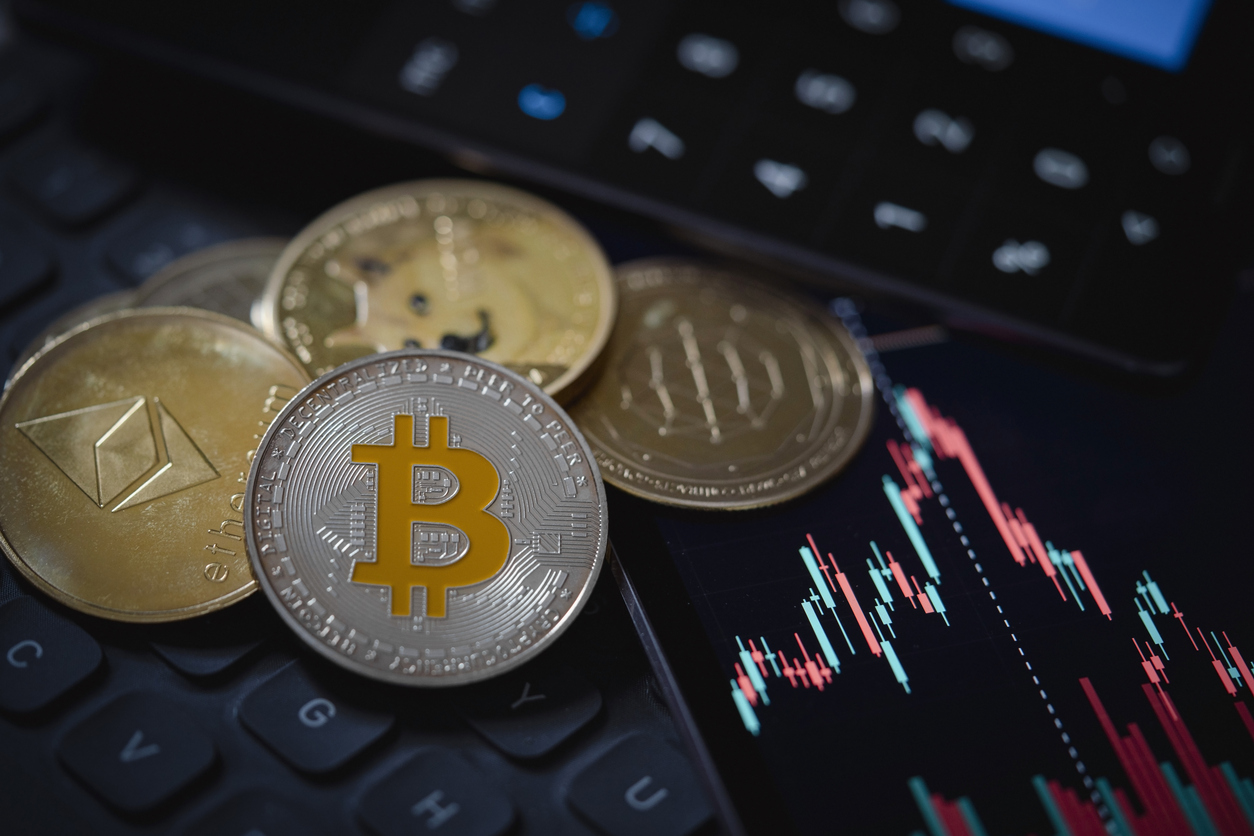
Receiving a payment in cryptocurrency is relatively simple. Managing what happens next can be more complicated. A freelancer paid in USDT might need to transfer some funds to another wallet, exchange part of the balance for a different token and keep track of fees along the way.
Using separate services for each operation means dealing with different accounts, interfaces and transaction records. Modern crypto wallets increasingly bring these activities into one place, offering asset management, transfers and exchange tools alongside traditional wallet functions.
The convenience is easy to see. What matters more is how these functions work and what level of control users have over their funds.
How Crypto Wallets Manage Assets and Private Keys
A cryptocurrency wallet provides access to assets recorded on a blockchain. It lets users receive payments, check balances and authorise transfers. The private keys associated with the wallet determine who can control those assets.
With a non-custodial wallet, users manage their own keys. They can access their cryptocurrency without relying on a provider to approve each transfer, but they are responsible for safeguarding their recovery information.
Custodial services manage keys or assets on the user's behalf. Account recovery may be more straightforward, although access to funds depends on the provider's procedures and operational reliability.
The distinction becomes more relevant as wallets add financial functions. A service may combine direct blockchain transfers with exchanges handled by an external provider. Another may hold assets in a custodial account. Similar-looking dashboards can therefore represent different arrangements for managing funds.
Managing Cryptocurrency Across Blockchain Networks
Holding multiple cryptocurrencies often means working with several blockchain networks.
USDT, for example, is available on Ethereum, TRON and other networks. A transfer requires the sender and receiving service to support the selected network. Choosing an incompatible network can leave funds inaccessible to the intended recipient.
Multi-asset wallets help users manage these details through a shared interface. Balances, supported tokens and transaction histories can be viewed without switching between unrelated applications.
For someone receiving payments in different cryptocurrencies, a consolidated transaction history is useful for matching transfers with invoices or previous exchanges. It also makes it easier to identify how much was transferred, when the transaction occurred and which network was used.
Support for multiple assets still requires attention to individual networks. A wallet that supports a particular token may offer different deposit or withdrawal options depending on the blockchain.
Sending and Receiving Crypto Through a Wallet
A typical cryptocurrency transfer begins with a receiving address. Many wallets also support QR codes, reducing the need to copy lengthy strings of characters manually.
Before confirming a transfer, users need to check the receiving address, selected network, asset and amount. Some wallets show the network fee before submission, allowing the sender to review the total cost.
A completed blockchain transaction generally cannot be reversed by the sender. This makes the confirmation screen more consequential than a conventional payment form.
The experience also depends on how clearly a wallet presents transaction status. Pending transfers, completed payments and failed operations should be distinguishable in the transaction history.
For users who send cryptocurrency frequently, these details have a greater effect on everyday usability than visual design alone.
Buying Cryptocurrency and Exchanging Tokens Within a Wallet
Many cryptocurrency wallets now include options to purchase assets or convert one token into another.
Card purchases provide a route into cryptocurrency for people who do not already hold digital assets. The payment process may involve identity verification, processing fees and conditions set by the payment provider.
Token swaps address a different need. Instead of purchasing cryptocurrency with traditional money, the user exchanges an existing asset for another. For example, someone holding ETH may want to convert a portion into USDT without transferring the funds to a separate exchange account.
The quoted exchange rate, network fees and final amount received determine the actual cost of the conversion.
The Rovolta crypto wallet is an example of this multi-function approach. Its website describes tools for managing cryptocurrency balances and transaction histories across different networks, sending and receiving assets through wallet addresses or QR codes, buying cryptocurrency with a bank card and exchanging tokens within the application. Rovolta also lists connectivity with Web3 applications, including DeFi services and NFT marketplaces.
These functions cover several activities that users commonly perform with cryptocurrency, from receiving payments and managing holdings to converting tokens and interacting with blockchain applications.
How Web3 Integration Expands Wallet Functionality
Web3 connectivity allows a cryptocurrency wallet to interact with decentralised applications, commonly called dApps.
These applications can provide access to decentralised exchanges, lending protocols, NFT marketplaces and other blockchain-based services. Rather than creating a separate account for every application, users connect a compatible wallet and approve actions through its interface.
Connections and transaction approvals deserve attention. A wallet connection does not necessarily authorise the transfer of assets, but subsequent smart contract permissions can grant an application access to particular tokens or operations.
Users should review what an application requests before approving it. Some permissions remain active after the initial interaction and may need to be revoked separately.
For people who regularly use decentralised services, the ability to manage connections and transaction approvals from a familiar wallet interface can make these activities easier to organise.
What Matters When Choosing a Multi-Function Crypto Wallet
Combining several functions within one wallet can simplify cryptocurrency management, although the number of available tools tells only part of the story.
The custody arrangement determines who controls private keys and how users recover access. Supported networks affect which assets can be transferred. Exchange rates and transaction charges influence the cost of moving between cryptocurrencies.
Security features also need to be understood in practical terms. Two-factor authentication can protect account access, while transaction confirmation, private-key storage and smart contract permissions address different risks. Each mechanism serves a particular purpose.
For services offering card purchases or token exchanges, users should check the applicable fees, transaction limits and operating conditions. The identity of the service operator and available technical documentation are relevant when assessing how the platform handles assets and transactions.
A wallet that combines transfers, token swaps and Web3 connectivity can suit people who use cryptocurrency regularly. Others may prefer a simpler wallet with fewer integrations. The choice depends on the assets they hold, the transactions they make and the degree of control they want over their funds.
Frequently Asked Questions
Can a crypto swap move assets between different blockchains?
Not always. A standard token swap typically exchanges assets within the same blockchain network. Moving assets between networks requires a bridge or a service that supports cross-chain transactions. Such operations may involve additional fees and different security risks.
Can you withdraw money to a bank card if a wallet supports crypto purchases?
Not necessarily. Buying cryptocurrency with a bank card and converting cryptocurrency back into traditional currency are separate services. A wallet may support card purchases without offering withdrawals to a bank account or card. Availability depends on the provider and the user's location.