Multiple Factors Behind Commercial Truck Accidents
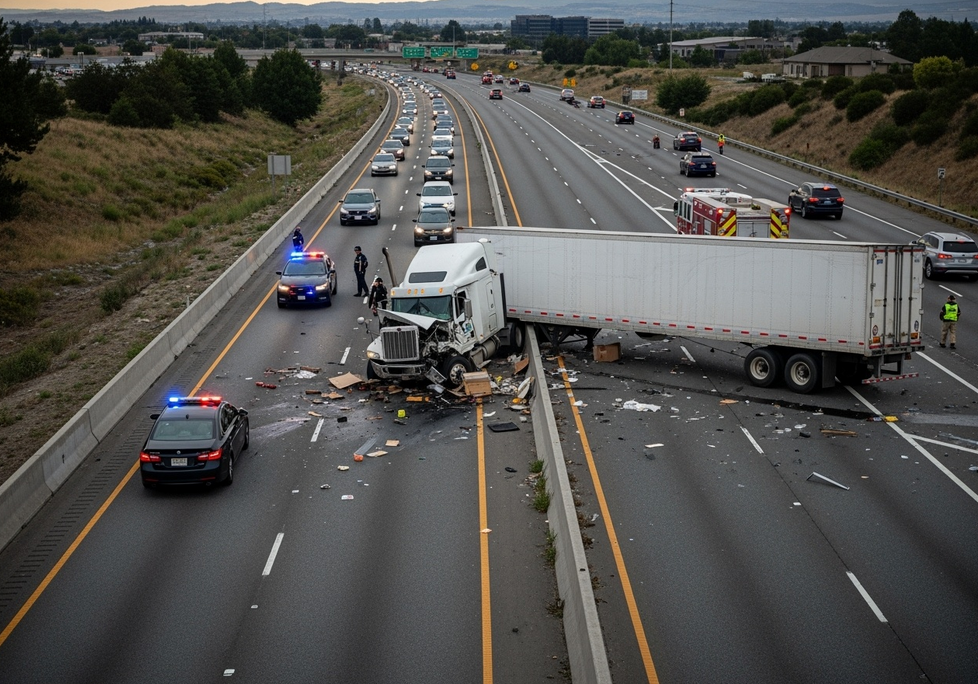
Commercial trucks are a constant presence on highways and regional roads, moving goods across long distances and connecting supply chains that operate around the clock. At a glance, truck movement may appear routine and predictable. Yet, when an accident occurs, it is rarely the result of a single moment or isolated event. Instead, it often reflects a combination of factors that develop over time.
In the early stages of understanding such incidents, attention is usually placed on what happened at the scene. However, as people begin to look more closely, they often recognize that the situation involves multiple layers. During this process, individuals sometimes come across perspectives related to truck accident injury claims, particularly when trying to understand how different elements may have contributed to the outcome.
The Influence of Vehicle Size and Weight
One of the most defining aspects of commercial truck accidents is the scale of the vehicle itself. Trucks operate with significantly more weight and size compared to standard passenger vehicles.
This creates conditions where:
- Stopping distances are longer
- Maneuverability is more limited
- The impact of even small errors can be greater
The physical characteristics of these vehicles play a central role in how situations develop on the road.
Driving Conditions Across Long Distances
Commercial trucks often travel across varied environments, from highways to urban roads and rural routes. Each of these settings presents different challenges that can influence how a driver responds.
Examples include:
- Changes in traffic density
- Variations in road quality and layout
- Weather conditions affecting visibility and control
Adapting to these changing conditions requires continuous attention, and shifts between environments can influence how situations unfold.
The Role of Driver Attention and Fatigue
Truck drivers often spend extended periods on the road. Over time, this can affect attention levels, even when drivers remain focused on their tasks.
This may involve:
- Gradual fatigue affecting reaction time
- Repetitive driving conditions reduce alertness
- The need to balance focus across long journeys
Attention in this context is not static. It changes over time and interacts with other factors on the road.
Interaction With Other Vehicles
Commercial trucks share the road with smaller vehicles, creating a dynamic where size differences influence movement and visibility.
This interaction can lead to:
- Limited visibility for both truck drivers and other motorists
- Differences in speed and stopping capability
- Situations where space becomes restricted
These interactions are a key part of how accidents develop, especially when combined with other conditions.
Timing and Sequence of Events
Truck accidents are often influenced by the timing of actions and the sequence in which events occur. What happens before an incident can be just as important as the moment itself.
For example:
- A change in speed or lane positioning
- A reaction to traffic conditions ahead
- Adjustments made in response to road changes
Understanding the sequence helps connect different factors that may not appear related at first.
Operational and Environmental Factors
Commercial trucking operates within a broader system that includes schedules, routes, and logistical considerations. These elements can influence how driving conditions are experienced.
This may include:
- Time-sensitive deliveries
- Route planning across different terrains
- Environmental factors such as weather and road conditions
These factors do not act alone but combine with driver behavior and vehicle characteristics to shape the overall situation.
Small Details That Combine Over Time
Many truck accidents are shaped by details that seem minor individually. These may include slight changes in attention, small adjustments in movement, or gradual shifts in conditions.
Over time, these details can combine:
- A brief lapse in attention
- A minor change in positioning
- A moment of reduced visibility
Individually, these may not appear significant. However, when combined, they can create conditions where an incident becomes more likely.
As this broader understanding develops, individuals often explore how these elements are evaluated together, sometimes coming across perspectives connected to truck accident injury claims, particularly when trying to see how multiple contributing factors are considered.
Why These Situations Are Not Always Simple
Truck accidents are often perceived as single events, but they are rarely that straightforward. They reflect a combination of vehicle characteristics, driver conditions, road environments, and timing.
This complexity can make it more challenging to:
- Identify all contributing elements
- Understand how different factors interact
- See how the situation developed over time
Recognizing this layered nature provides a clearer view of how such incidents occur.
Conclusion: Looking Beyond the Immediate Event
A commercial truck accident may occur in a moment, but the conditions behind it often develop gradually. Vehicle size, road conditions, driver attention, and timing all contribute to how these situations unfold.
By looking beyond the immediate event and considering how multiple factors come together, a more complete understanding begins to form. This perspective reflects the reality of commercial trucking, where outcomes are shaped not by a single cause but by a series of interconnected elements that influence each other over time.