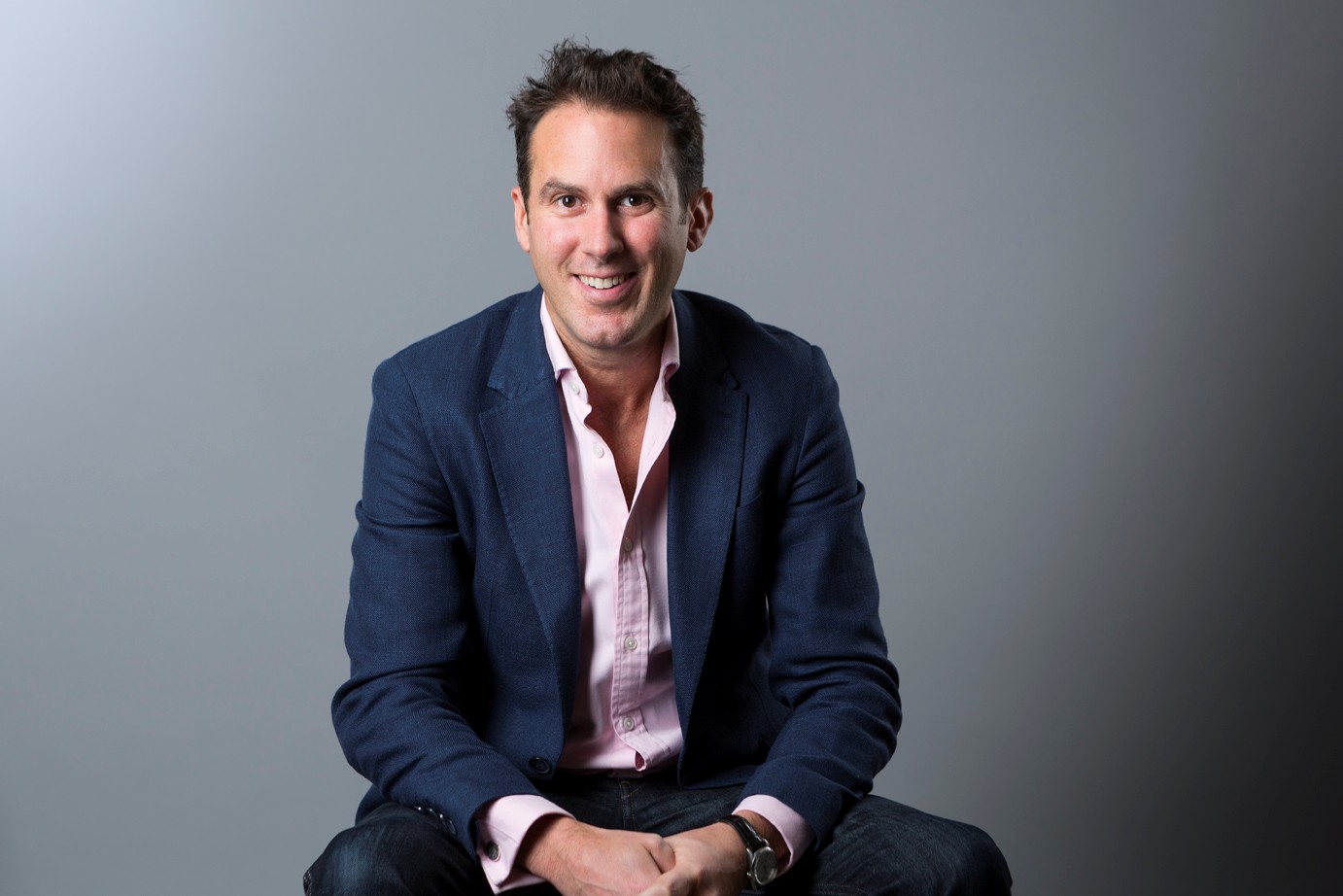
My Big Idea: AI SEO tool RankAgent

Jinto Jose has about 14 years in the web industry, mostly as a developer, the last 2–3 in SEO with agencies. In June 2026 he launched RankAgent from Bangalore, after starting work on it in March: software that works alongside Ahrefs and Semrush — bring in the research you already have, and RankAgent turns it into a weekly plan. Business Age asked about the gap he saw, how small teams use it, and what his audits of small-business and SEO-agency sites showed about AI-search readiness.
Hi Jinto! You're building from Bangalore. Why there, and why start RankAgent in 2026?
Bangalore is where I live and where I've built websites for years. Practical base: engineering talent and enough agency density that the pain is obvious. I started RankAgent in March 2026 because agencies had excellent research tools, but turning that data into prioritised work and proving it to clients still meant spreadsheets and late nights. Clients had also started asking whether they showed up in ChatGPT. I wanted one product for both — classic SEO execution and AI visibility — for small teams without a specialist per channel.
What gap did you see that Ahrefs or Semrush don't already fill?
I use those tools. They're excellent at data — volumes, backlinks, positions. What they don't do is tell a freelancer with ten clients what to do this week, or put a branded report in the client's inbox. RankAgent works alongside them: bring in the research you already have (keyword lists exported from Semrush, Ahrefs or Moz), and we turn it into a weekly plan. The Action Center ranks fixes by likely impact, with the why and the how. Keep your research stack; we take over delivery — audit, plan, fix, prove.
Who is it for, and how do white-label reports and the Action Center fit?
SEO agencies and freelancers, especially small teams serving small and mid-size businesses. The Action Center is the daily queue: what to fix first across clients, ranked by likely impact. White-label reports and branded PDFs are how you show the work. Clients don't pay a retainer for a dashboard login — they pay for a report with your name on it and proof things changed.
Clients ask "Are we in ChatGPT?" How does RankAgent handle AI search / GEO?
Buying questions are moving into AI assistants, and "are we in ChatGPT?" is what clients ask first. RankAgent runs live AI-answer checks per client (currently on Perplexity): whether they're named, which sources got cited instead, and what to fix so the site is readable to AI crawlers (schema, structure, crawler access, llms.txt). Agencies can sell that as a new service: audit, white-label report, invoice. No magic ranking factor — just a clear answer and a fix list when a client asks the ChatGPT question.
You audited 226 small-business homepages. What stood out?
Between 4 June and 3 August 2026 we ran our free homepage audit across 226 distinct small-business sites. Average score about 75/100. Heading structure was worst at 54/100; security and mobile were strong (96 and 88). 58% skip heading levels; 16% have no main heading; about half lack an llms.txt. Most sites aren't structured cleanly enough for an answer engine to lift a passage. A follow-up on 134 SEO agency websites found 66% have no llms.txt, against 51% of other businesses: the people selling AI search often haven't done it on their own sites.
What should agencies fix first for AI-search readiness?
The heading tree, then alt text, then the AI-specific work. One clear H1 that states what the page is about, headings that descend without skipping. Often an afternoon on a small site; it helps Google and screen readers too. Then schema and llms.txt — especially if you sell AI search and your own site still lacks the file. Fixing headings won't get you named in an AI answer tomorrow — that still depends on whether others talk about you — but structure removes the mechanical reason you'd be skipped. Necessary, not sufficient.
You're essentially a one-person company. How do you ship, and how does the trial work?
Team of one, bootstrapped. I still take occasional freelance web work, but RankAgent is where most of my time goes. Building alone means prioritising ruthlessly: audits, fixes, and proof first; free tools so people can try before buying. 14-day free trial, no card required; WhatsApp demo on request.
What does the next year look like — honestly?
A: Stay focused on small agencies and freelancers. Sharpen the Action Center and AI-visibility checks. Keep publishing open data and free tools — the agency study taught us more than any roadmap. I'm not chasing headcount. If RankAgent becomes the everyday workspace for teams already in Ahrefs and Semrush, that's the win. If a feature doesn't help them ship or prove work to a client, it waits.
One piece of advice for founders in a crowded category?
Build from a problem you've lived with. Years of building websites, then doing SEO with agencies, told me exactly what to build first. Ship something useful for free early — our public audit brought better feedback than any cold pitch. Don't start a category war with tools your customers already love. Sit next to them and close the gap they still feel every Monday morning.