My Big Idea: Compliance platform Freda
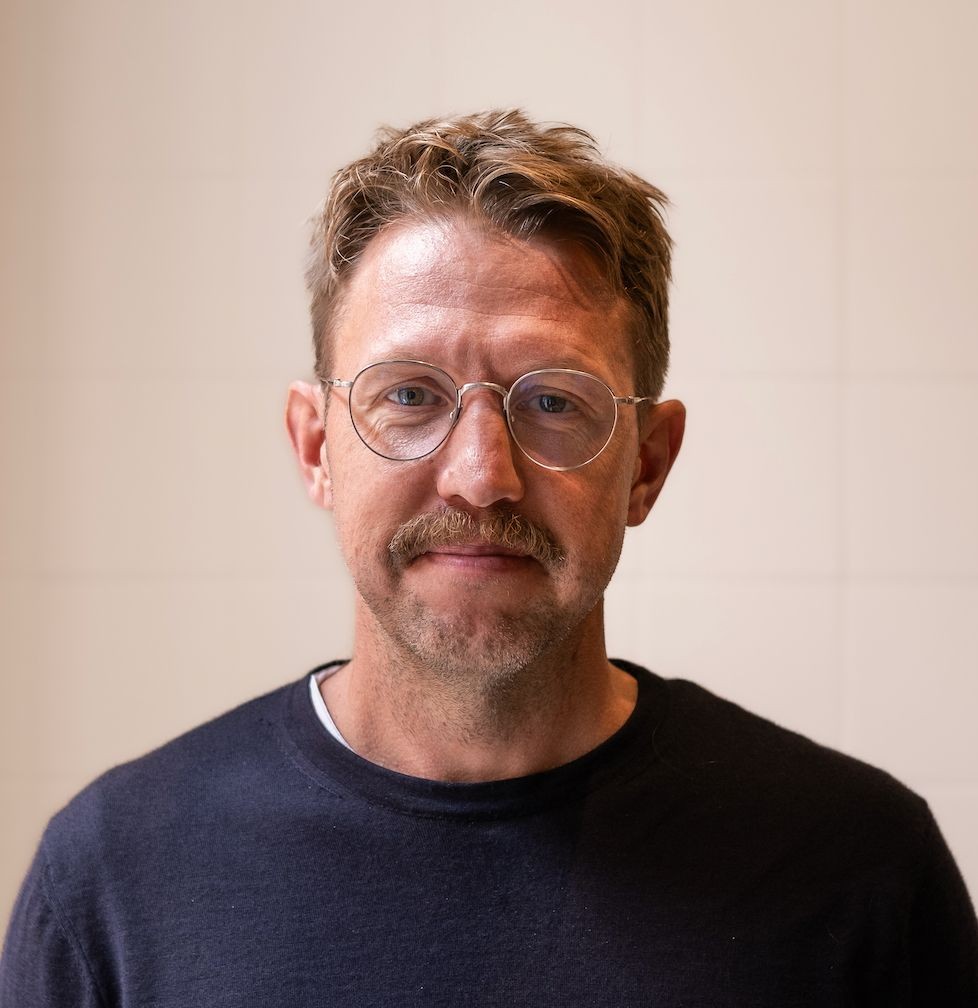
Daniel Kjellén is CEO and co-founder of Freda, the first agentic system built to map and run a company's entire compliance operation across any domain in any framework. Freda emerged from stealth in September 2026. Kjellén sold his breakout venture, Tink, to Visa for $2bn in 2022. Tink is Europe’s leading open banking platform, with current partners including PayPal, NatWest, American Express, Revolut, ABN AMRO, BNP Paribas, Nordea and SEB.
Hi Daniel ! What’s your elevator pitch?
Freda is an agentic compliance platform that works out every framework and obligation that applies to your business and builds tailored programmes to meet them. Agents are deployed to run the work of getting and staying compliant as the company grows and changes, integrated into the end-to-end workflows in the connected systems - right where the work actually happens.
Fredrik Hedberg, Adam Ivarsson and I founded Freda to build the product we desperately wished we’d had while building and scaling Tink, where compliance constantly held us back. AI has now unlocked a whole new way to approach compliance, and that’s what we’re building with Freda.
Why does the market need it?
Compliance is the last big business function that still runs on static documents, spreadsheets, and the occasional AI prompt. Every other part of a company has had a digital solution for decades - from CRM for sales to ERP for finance. Compliance is scattered, text-based, and bespoke, and no traditional software has fully solved it.
Almost all companies run their compliance through Word or Excel. This is because automated solutions only work for a small subset of companies that fit a given template, but this template breaks when a company grows and starts operating in different markets or regulatory regimes. The work then gets outsourced to consultants and large in-house teams, incurring disproportionate costs with figures from TheCityUK and PwC showing that UK financial services firms spend more than 13% of their operating costs on compliance.
Freda is the first agentic solution to this problem. We start with the law itself, figuring out what a regulation entails for this specific company and then checking it against real-time operations. Two years ago, this wasn't possible because software couldn't keep pace with the sheer amount of changes to the global regulatory corpus. Large language models have changed this.
What made you think there was money in this?
I would have paid good money to have access to something like Freda when scaling my last business. By the time we sold Tink to Visa, we had around 700 people and were licensed by financial regulators in several European countries. This meant every product launch or LinkedIn post required sign-off from many teams, often followed by a lengthy risk assessment.
Compliance is not the most interesting dinner party topic, but it is something every founder has torn their hair out over. Every company on Earth, regulated or not, has compliance requirements it needs to follow, and the work adds up: OECD figures show that regulatory tasks took up 3.9% of all employment in Europe in 2023, up from 3.7% in 2011. Entrepreneurs don’t want their ideas held back by bureaucracy, and legal and compliance teams would rather spend their time making judgment calls and advising the business than hunting for documents and compiling reports on work that has already been done.
What’s your biggest strength?
Our biggest strength is our experience in this space. At Tink, we built critical infrastructure for banks under several regulators, so we know what compliance looks like for a high-trust and fast-growing company, and we understand what enterprise customers expect from a supplier.
Having worked with the largest and most regulated companies in the world, from megabanks to fintech unicorns, we understand how important trust and security, in particular cybersecurity, are. Even as a small company, you can never take shortcuts here.
It is also our technology and the legal experts who shape it. Freda checks all of the world’s regulations against its unique and dynamic picture of the customer to work out exactly which obligations apply to that company. Because every agent is grounded in those facts, we can test and audit what it does, which matters a great deal when a customer’s licence to operate is at stake.
Our lawyers were the key to making a product that works in practice. An irreplaceable part of our product team, the legal experts at Freda work alongside our engineers to build a system that reads and applies the law the way a good compliance professional would, but faster and more accurately.
How do you market the company?
The best advice I can give is to focus on the problem rather than the product. Solve the problems that are actually important for real customers, and the market will respond. Every founder has a compliance horror story. Knowing that we were setting out to solve this, we received inbound interest long before Freda launched.
Speak to the people who live through the problem you want to solve. Our design partners have been invaluable in making sure our product fits a variety of industries and company types, and people want to know that you have listened to their concerns and addressed them.
What funding do you have? Is it enough?
Selling Tink for $2 billion has meant that we've been able to self-fund Freda so far. Investors did get in touch once word got around that we were building again, but we’ve yet to need it to build the full product and take as long as we need to do it. We are dead-set on solving this problem once and for all, and we will invest accordingly. We will likely raise as we scale, but we want to make sure that when we do it, it is with a clear goal in mind.
What is the future vision?
I think every company in the world will run a compliance operating system as its system of record. It will become standard for compliance to sit in the background, a bit like an ad blocker in your browser. New suppliers will be automatically onboarded under the right rules, social copy automatically checked against marketing laws, and compliance will be top of mind only when something requires human input.
Companies that have 20 employees today are already growing their workforce to thousands of agents, and this trend will continue - IDC expects more than a billion AI agents to be at work by 2029. Those agents are a potential liability, as they haven’t read the company’s policies, done the annual training, and they don’t have the instinct to stop and flag irregularities with legal. It is impossible for a human compliance officer to keep track of that many decisions, so the bulk of the work of keeping all the agents in line will fall to AI agents. Compliance will be transformed completely, and people will only step in when something needs their judgement.
In a world where AI agents make every other aspect of the business 100x faster, compliance should never be a bottleneck. It should be instant and machine-readable to match the speed at which you want to iterate and grow. We want to facilitate this change to help companies deliver greater impact, especially in areas like medtech, energy and space, which could reach the market years sooner than they do today.