My Big Idea: Robert Schogger, co-founder of MetSpace
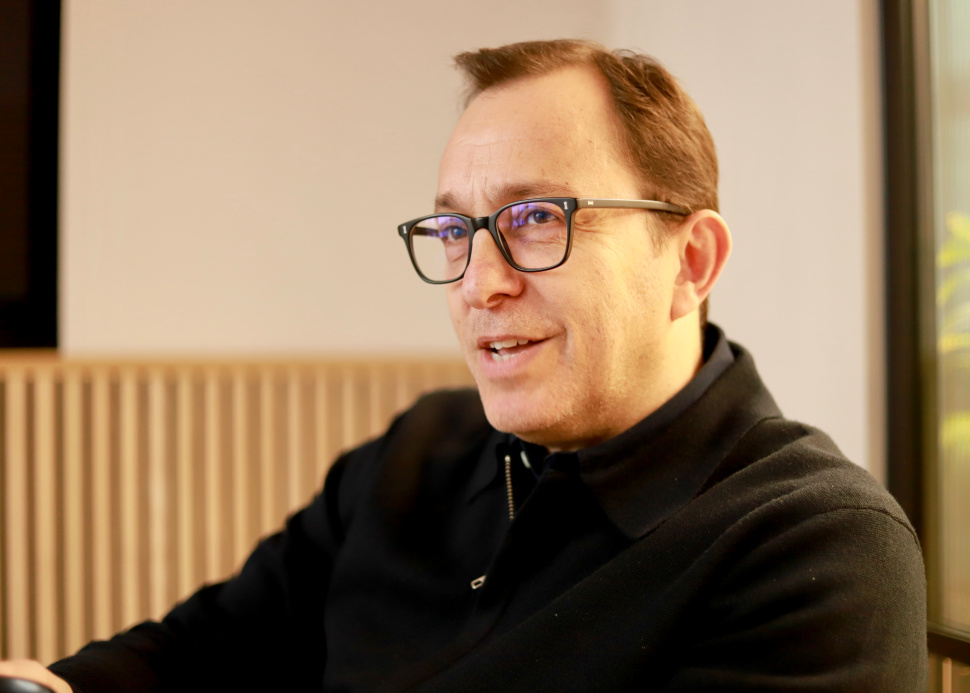
Hi! What's your elevator pitch? Why does the market need it?
My business partner, David Cluer, and I introduced the first managed office to the UK market in 1999. Since then, the market has grown (about 111% year-on-year 2025 figures show) but we’ve continued to draw on our experience to offer self-contained central London workspaces, thoughtfully designed with an expert eye, through MetSpace.
We give growing businesses a space they’re proud of – well-designed, service-led, and thoughtfully managed – without the headache of fitouts, ongoing management or maintenance, or rigid long leases. And we ensure landlords get the returns they deserve.
Where is the business today?
We currently operate over 50 floors of managed space across central London, including prime spots in Clerkenwell, Fitzrovia and Holborn. At 90%, occupancy is strong, we’ve seen consistent growth (even through Covid), and we have a team of 20 running operations behind the scenes. Our occupiers include scale-ups, established firms, and national organisations (including the Women’s Super League, who recently moved their HQ from Wembley to one of our offices).

What made you think there was money in this?
I left school at 16 and property, the City, or recruitment companies were the “trending” jobs of the day. It was on a family holiday that I bumped into a friend, who said his company was looking for a junior in the commercial property investment department, where he worked. I honestly had no idea what this was, but it had the word property in it. He said the owner of the company was also on holiday close by so I asked if I could meet him. We had a chat, agreed I would start on a trial when I was back and I worked for him for the next 10 years. I still work with this person today.
My business partner, David Cluer, and I have known each other since we were teenagers. He took a similar path to me in leaving school, but he started his career in residential property market. When I left my role in commercial agency in the mid 90s to set up on my own I need somewhere to work from and David offered me some space where he was working.
The idea of running managed offices came from our own London office search in the 1990s. We wanted something central and characterful – not anonymous, sterile or out of town. We found a good one in a townhouse in Mortimer Street in which the whole building was available to let. It didn’t seem reasonable that we were the only company needing an office like this – so we decided to take out a longer-term lease on the building, let the other floors and occupy one ourselves.
Within weeks of us advertising available space (on Loot and London Evening Standard, back in the day) the whole building was let – including our original office! In fact, everyone who came through the door snapped up an office pretty much on sight. That’s when we knew there was a business there, and soon found ourselves searching for another building like it.
The market might have changed, but growing companies still want flexibility, quality and no long lease or DIY fit-out. We’ve learnt a lot along the way, from Reflex (our first company) to MetSpace, continually building on what works. Effective management of the building was as important then as it is now, and also being thoughtful with every interaction – that covers all the people we work with, from landlord to occupier to supplier. We want everyone to succeed.
Our office design and layout is also thoughtful – for example knowing the right dimensions of a meeting room in comparison to offices, and never providing a mini fridge when a large one is needed. It’s not a “build it and they will come” scenario with offices – there are plenty of offices on the market that won’t let, but ours always do.
What's your biggest strength?
Experience. We’ve been doing this for three decades now, long before it was fashionable. David and I have been with the industry through every stage. We design and manage offices with a service-first mindset. We want what’s best for both the occupier and the landlord, and we make sure that everyone is happy, because that’s important for long-term success.
We understand the nuances of layout, acoustics, lighting, ergonomics, how an office flows... it goes so far beyond just ‘how many desks can we fit in?’. All of that knowledge – backed by decades of proven experience, proven success – makes our spaces more desirable and more commercially resilient.
What is the secret to making the business work?
Don’t cut corners. Poorly designed space will sit empty. We’ve seen that time and again when we’ve been brought in to refurbish and let offices. You also need to think beyond the first letting; think about the space in a long-term context and design with the second and third occupier in mind too. We’re also mindful about keeping a finger on the market pulse. Trends move quickly, and so do occupier expectations.
Then there’s proactive management – we handle everything so occupiers can get on with their jobs. They get to do what they do best, and we help them do it by doing what we do best, managing everything smoothly behind the scenes, so they don’t have to.
How do you market the company?
It’s largely relationship-driven. We’re trusted by agents, landlords, brokers, and occupiers because we deliver. Word of mouth remains one of the most powerful – and reliable – tools. People trust people. They trust experience and proven track records. We make good on our promise and the people we work with see that, so we earn a lot of referrals. Our product also markets itself when people walk into it, aside from service, design (functionality, fit out, purpose-built) is a big part of our brand.
More recently, as we’ve been building the brand, we’ve been supporting this with strategic PR, social media and a refreshed website. We have a distinctive approach and we wanted to spread the word more widely, and we’ve found those are good channels to use.
What funding do you have? Is it enough?
Relationships and trust are at the centre of what we do – they have to be. To date, we’ve received strong support from various lease finance companies that we have been working with since we started Reflex in the 90s. We’re very grateful for their help, as I’m sure they are grateful to have a reliable customer.
Our ambition is to keep growing MetSpace and this will require funding. What that funding looks like is difficult to say, but what is important to us is to making sure the finance that is in place is reliable and sustainable to support our growth plans.
Tell us about the business model
We take space from landlords, fit it out to a high spec, turning it into a premium office, and let it to occupiers as a managed space. Occupiers get their own fully private office, fitted, furnished, and serviced, all included in one monthly fee. That covers everything from internet to cleaning to AV. It’s like a lease, but smarter.
Landlords get higher yields, reduced void periods, and a better occupier experience. Occupiers get a more thoughtfully designed, thoughtfully managed workspace that actually works with them. We’re selective about buildings and layouts (it has to work for both sides commercially and functionally) and we know what occupiers actually need from a space and fit out.
What were you doing before?
I left school early and started working in property as a teenager. I worked in various roles across agency and development before co-founding Reflex Managed Offices with David in the 90s. We ran it together successfully for a decade. We eventually stepped back for a few years before returning with MetSpace, bringing everything we learnt forward for a new era of workspace.
Are there any technologies you've found useful?
We’re firmly in the era of hybrid working and offices need to support that, seamlessly. We embed TVs, hide cabling, and use acoustic walling as standard. We managed internet centrally so that we can monitor outages and respond before clients even notice. AV systems like Poly and Microsoft Teams Rooms have become essential, especially post-pandemic. We’re also exploring tools to help clients understand how their space is being used (for instance, meeting room booking tools and occupancy tracking).
What is the future vision?
To continue to grow a best-in-class portfolio across London whilst staying true to our service-first DNA.
We’re fully focussed on sustainability; we’ve recently brought a dedicated consultant on board. That’s anything from the materials used in a fit out to the site’s ongoing energy use, supporting occupiers and landlords alike to leave a more sustainable footprint.
.jpeg)
.jpg)
.jpeg)